Mobile Home Park Insurance Requirements in Fort Myers

mobile home park insurance

Living in a mobile home park comes with a sense of community and convenience, but it also brings unique responsibilities, especially when it comes to insurance. If you’re living in or planning to move to a mobile home park in Fort Myers, it’s important to understand the park’s insurance requirements and how they affect you. These rules aren’t just for landlords. They often extend to tenants as well.

Understanding what’s required before you move in or renew your lease can save you a lot of trouble. From covering your personal belongings to protecting your home from damage or liability issues, knowing the right type of coverage goes a long way. Whether you’re new to mobile home living or have been settled for years, staying informed helps you make smarter choices about your home and your future.

Common Insurance Requirements for Mobile Home Parks

Each mobile home park has its own insurance rules. While some are fairly simple, others can be more detailed and might feel overwhelming at first. Most parks in Fort Myers have guidelines that require all residents to carry some form of insurance. These rules are usually laid out in your lease or park agreement, and you’ll likely need to show proof of insurance before you can move in.

The main reason parks require insurance is to make sure everyone is protected. If something unexpected happens like a fire, strong storm, or even an accident on your lot, having the right insurance can help reduce out-of-pocket expenses and potential legal trouble.

Here are some common insurance requirements you might come across:

– Liability coverage in case someone gets hurt on your property and you’re held responsible

– Property insurance to protect your home and belongings from theft or damage

– Guest medical coverage to pay for minor injuries that visitors may have on your property

– Loss of use coverage to help pay for temporary living expenses if your mobile home becomes unlivable

Check your lease to see if your park has rules about coverage minimums or preferred insurance providers. Some parks also require that they be listed as an “additional interest” on your policy. This means they’ll receive a notice if your policy is canceled or changed.

Stories from local residents show how important this can be. One Fort Myers homeowner didn’t realize they were missing key storm coverage. When a tree fell on their home during hurricane season, most of the repair costs came out of their own pocket. Reviewing your plan before anything happens can save you from a big financial burden later.

Why Mobile Home Insurance is Essential

Having the right insurance in place is more than just checking a box on your lease. It’s a solid line of defense when life throws something unexpected your way. Fort Myers is beautiful, but mobile homes in this area face real risks, especially during hurricane season.

Summer storms, fallen tree limbs, or an accidental fire can lead to heavy repair costs. On top of that, injuries to visitors around your home could result in liability claims. Without proper insurance, you could end up footing the bill on your own.

For those who rent a lot or mobile home in a park, insurance offers another layer of support. If your home becomes temporarily unlivable, your policy may help cover hotel stays or other emergency housing. Some policies cover damaged personal belongings as well.

When everything’s going well, it might feel like insurance isn’t needed. But when something hits, having the right policy can make all the difference in how fast and fully you recover. It helps you protect your investment, and your peace of mind.

Steps to Ensure Compliance with Insurance Requirements

Knowing what your park requires and actually meeting those requirements are two different things. Here’s how to stay on track and avoid any last-minute surprises:

1. Read your lease or park agreement closely

Don’t just skim through it. Look for sections about insurance requirements, including minimum coverage amounts or specific types of policies.

2. Confirm if the park should be added to your policy

Many mobile home parks ask to be listed as an “additional interest.” While this doesn’t give them control, it means they get alerted if your policy changes or stops.

3. Choose a policy that meets or beats the park’s standards

Look at your coverage limits. Make sure they’re high enough to actually help when damage or injury happens, especially due to high winds or water common in Fort Myers.

4. Keep a record of your documents

Hang on to digital or printed copies of your insurance paperwork. When the park asks for proof, you’ll be ready to hand it over without delay.

5. Work with someone who knows mobile home insurance

Talking with an expert makes this process easier. They can help you compare policies, explain what different terms mean, and make sure nothing gets missed.

It’s a smart move to review your coverage once a year, especially as hurricane season approaches. Being proactive helps prevent headaches when it counts.

Tailoring Your Coverage with Bassine Insurance Agency

Even though most parks have standard requirements, your home and situation are unique. Customizing your policy can make a huge difference when something goes wrong. From upgraded decks to added storage sheds, you might have features not covered under a basic plan.

Bassine Insurance Agency has worked with mobile home owners in Fort Myers for over 30 years. Our clients often tell us how helpful it is to have someone walk them through exactly what they need and what extra protection might be worth it. Whether it’s adding replacement cost coverage, dealing with a tight budget, or making sure pets are included, we take the extra steps to match your plan with your life.

We understand how insurance can feel confusing, especially when policies vary so much. That’s why we focus on clear, simple guidance. We’ll review your lease if needed and make sure your plan checks off every box the park requires.

More than that, we can suggest added options if you want extra protection. Things like coverage for water backup or windstorm damage can play a big role in Fort Myers when the weather shifts.

What Smart Mobile Home Owners in Fort Myers Should Keep in Mind

Understanding what your mobile home park requires for insurance is just the beginning. Taking the time to read your lease, update your documents, and talk with someone experienced creates a much smoother process when you need help fast.

Getting insured isn’t just about following rules. It’s about making sure your home, your belongings, your guests, and your savings are protected. In a place like Fort Myers where weather events can develop quickly, being prepared gives you one less thing to worry about.

When you work with a team that knows the ins and outs of mobile home coverage in this area, you’re setting yourself up for fewer surprises and smoother recoveries. The right coverage means fewer headaches and quicker solutions. You stay confident knowing you’ve handled your responsibilities and that help is just a phone call away.

If you’re ready to make sure your mobile home is well-protected and meets all park requirements, explore your options for mobile home insurance in Fort Myers. Bassine Insurance Agency is here to guide you through choosing the right coverage. Learn how we can help you gain peace of mind, knowing your home is covered.

What Local Insurance Agencies Offer in Bonita Springs

insurance agency

Bonita Springs is a peaceful place to call home, tucked where the beaches meet the inland water and neighborhoods mix vacation relaxation with daily life. With this kind of setting comes a unique set of experiences and risks. Between sudden afternoon storms, peak tourism season, and a diverse mix of property types, locals want more than just default coverage. They want someone nearby who gets it.

That’s where local insurance agencies step in. They’re not just trying to sell policies. They focus on what works best for the people living and working specifically in Bonita Springs. It’s less about flipping through a brochure and more about real conversations, real options, and support that fits your day-to-day life.

Understanding Local Insurance Needs in Bonita Springs

Bonita Springs offers a laid-back lifestyle, but the risks here aren’t one-size-fits-all. You’ve got everything from beachfront condos to quiet neighborhoods filled with manufactured homes. Some people live here year-round, while others own vacation rentals or seasonal homes. The type of coverage you might need for one setup won’t always work for another.

Living in Southwest Florida also means being prepared for the weather. Storms can roll in quickly, and when they do, you want to know your insurance is ready to kick into gear with little back-and-forth. That doesn’t always happen with big national brands, especially if they don’t know the area. Local agencies are more tuned in to what matters here, whether it’s extra protection for flood-prone zones or flexible policies for part-time property owners.

If you’ve ever tried to adjust a generic policy to cover things like a boat dock or a seasonal garden home, you’ve probably seen just how frustrating it is to get answers. A local insurance team understands these gaps before they become problems. Instead of reacting, they plan ahead so you’re not stuck on the phone when you need help the most.

Personalized Coverage Solutions

One of the biggest advantages of working with a local insurance agency is how they customize your policy based on your situation. You’re not being offered a pre-made template that might cover too much or too little. You’re getting something that makes sense for your actual life in Bonita Springs.

Here’s how personalized insurance coverage can look:

  1. A full-time resident with a manufactured home might need comprehensive property protection including storm damage, water backups, and contents coverage.
  2. A seasonal homeowner may want adjustable policy terms that make sense if the house is only occupied a few months each year.
  3. A small-business owner might need commercial property and liability insurance that fits within a lean budget but still covers real risks.
  4. A retiree with a golf cart used within the neighborhood might need optional vehicle protection not covered in typical auto insurance policies.
  5. A landlord renting out a waterfront property may require add-ons for income loss and liability depending on guest turnover or short-term stays.

With local agents, you’re more likely to get questions that go deeper. Instead of “how many square feet is your home?” you might hear “Do you store anything under the house during flood season?” or “How often do you rent out the back cottage?” These kinds of questions lead to a real understanding of what you need, not just what fits into a coverage box.

Enhanced Customer Service

Service always feels different when you’re talking to someone who lives in the same area you do. That’s one of the biggest advantages you’ll notice with a local insurance agency in Bonita Springs. When you’re speaking with someone who understands what it’s like to live here, whether it’s the sudden summer storms or the increase in vacation home rentals during the holidays, it shows in how they support you.

Local staff know the area, the weather, and the way homes and neighborhoods are built. They won’t need you to explain where your property sits in relation to a canal or why you’re extra cautious during tropical season. They already know. This kind of background helps make the process of getting help quicker and easier.

Here’s how better customer service plays out when your agency is local:

– Faster responses during storm season and power outages because they’re right there with you

– Help with claims or changes to your policy from people who know your name and history

– More flexible communication options, including in-person visits when needed

– A deeper sense of trust because your agent isn’t changing every few months

– Honest guidance that isn’t driven by call center scripts or large quotas

One example that stands out is when a local couple reported minor water damage after a strong rainstorm. Because their agency had already discussed drainage history with them during the setup of their policy, they were able to get their claim processed quickly. That kind of forward-thinking support is harder to find with large, national companies that treat all locations like they’re the same.

Variety of Insurance Products Available Locally

Every homeowner, driver, or business owner in Bonita Springs has different coverage needs. Maybe you’re driving less and working from home. Maybe you’ve just invested in a golf cart for getting around your neighborhood. Whatever your life looks like, local agencies usually offer a wide set of insurance types that are flexible and easy to tailor.

Most local insurance agencies in Bonita Springs typically offer:

– Home insurance for primary homes, seasonal homes, and mobile or manufactured homes

– Auto insurance for cars, trucks, and even neighborhood-friendly transport like golf carts

– Renters insurance for those who don’t own but still need personal property coverage

– Flood insurance specific to low-lying or coastal properties, often recommended locally

– Boat and watercraft insurance for those enjoying life on the water

– Life insurance for longer-term planning and protecting loved ones financially

– Commercial policies for shops, contractors, and small family-run businesses

Having access to one place that can help arrange these types of coverage makes life a lot easier. Local agencies often streamline the paperwork and even help you understand policy language that can otherwise be confusing. And because they’re right nearby, they’ll be around to help adjust your plan if your responsibilities or lifestyle change.

Why Supporting Local Adds Long-Term Value

When you work with a local insurance agency, you’re doing more than just checking something off your to-do list. You’re helping keep jobs, experience, and personalized service right in your own city. That matters more than people realize.

Many locally owned and operated agencies also take part in fundraisers, community fairs, or neighborhood improvement efforts. From holiday food drives to school sponsorships, these aren’t just businesses, they’re neighbors. And when your insurance partner shows up to a neighborhood cleanup day or donates back to local groups, it builds real connections.

There’s also something practical about keeping your dollars local. It gives small businesses the encouragement to stay responsive, fair, and engaged. You’re not dialing a stranger in a far-off call center when you have questions. You’re calling your actual agent, who might’ve just passed by your home on the way to the office.

Your Local Options Make a Real Difference

Choosing an insurance agency in Bonita Springs is about more than price or paperwork. It means selecting a partner who understands how homes are built here, how residents live, and what kinds of risks come with the area. From policy flexibility to personal attention, there’s something different about local care that’s hard to copy with national providers.

It also helps reduce the back-and-forth that so many people find frustrating when making policy changes or starting a claim. A local agency keeps things feeling simple and human. You don’t have to explain your entire life story. They likely already know the full picture, or at the very least, they’re ready to learn. Local knowledge, combined with real relationship-based service, makes all the difference when you need your insurance to actually work.

If you’re looking for guidance from an insurance agency in Bonita Springs that understands the local lifestyle and weather challenges, Bassine Insurance Agency is here to help. Get personalized service, practical coverage options, and the peace of mind that comes from working with neighbors who know what matters most to you.

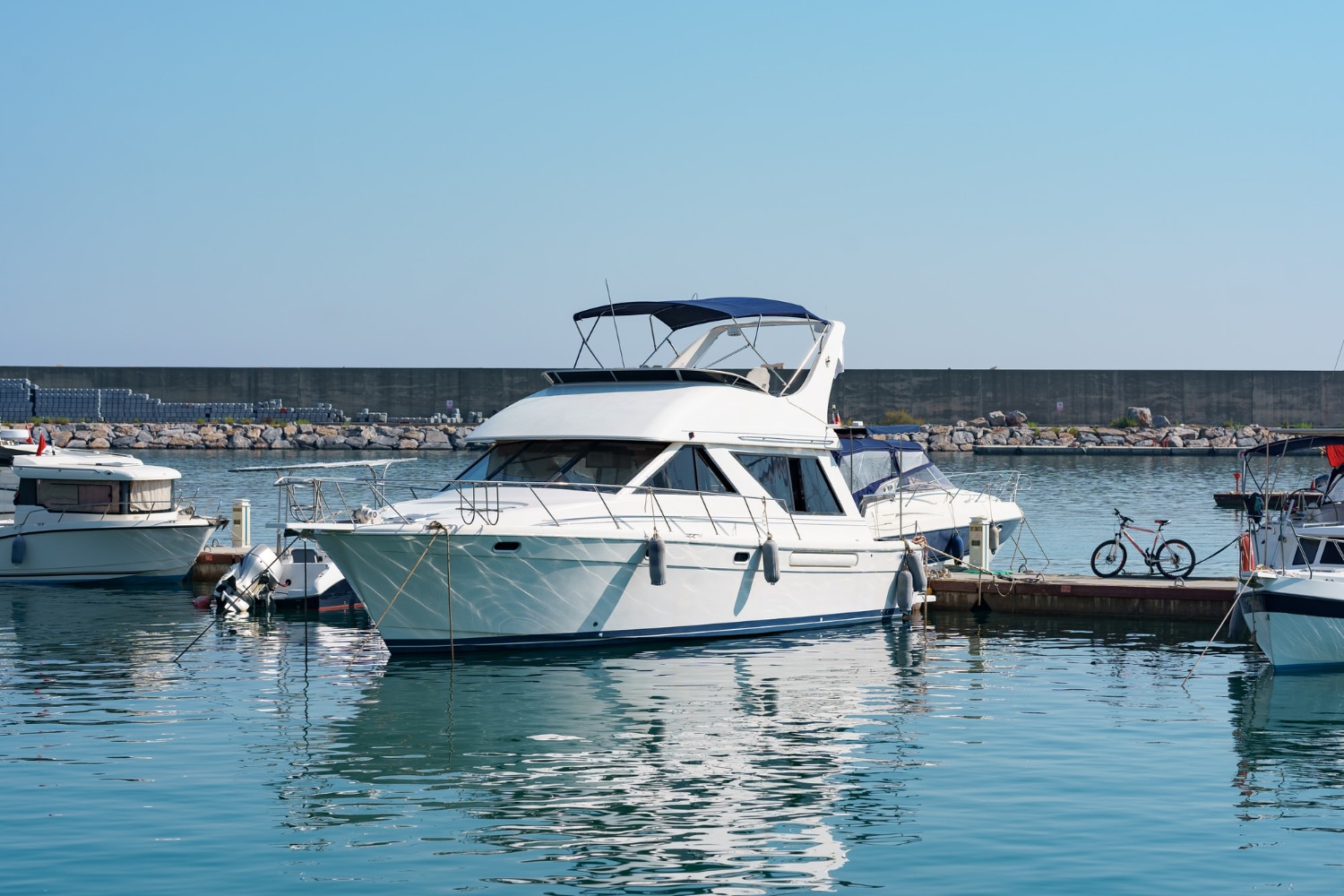
Winter Storage Requirements for Insured Boats in Fort Myers

boat insurance

Keeping your boat in good shape during the off-season doesn’t just give you peace of mind — it also protects one of your most valuable investments. For boat owners in Fort Myers, winter storage isn’t always top of mind since the area rarely sees freezing temperatures, but skipping proper prep can still lead to wear and damage. Whether your boat spends winter at the marina, in your backyard, or in a storage facility, getting ahead of small problems can help you avoid costly repairs down the road.

If your boat is insured, winter prep takes on even more importance. Many policies come with certain requirements about where and how your boat is stored outside of active use. Not meeting those can lead to issues if you need to file a claim. Let’s walk through how to get your boat ready for the Florida winter and make sure it stays protected, inside and out.

Inspect Your Boat Thoroughly

A careful inspection is the first step to safe storage. Before putting your boat away for the season, take the time to look over every part. You’re checking for damage, wear, or anything that needs attention now so it doesn’t get worse while the boat is sitting idle. It also helps to show your insurance company that you took reasonable steps to protect your boat before storing it.

Here are some areas to focus on during your walk-through:

– Hull: Look for cracks, chips, or signs of blistering. Even a small crack can become more serious over time.

– Propeller and lower unit: Check for dings, bent blades, or fishing line wrapped around the shaft.

– Electrical systems: Inspect the battery, fuses, and wiring. Remove and store the battery if not already done.

– Interior surfaces: Look for signs of fading, mildew, or surface damage that needs cleaning or patching.

– Safety equipment: Check that life jackets, fire extinguishers, and flares are in good condition and not expired.

Make a written or photo record of your inspection. That way, if you need to file a claim later, you’ll have proof of your boat’s condition before storage.

Clean And Dry Your Boat

Cleaning isn’t just about making your boat look nice. It’s about preventing damage. Dirt, salt, and moisture can slowly eat away at surfaces, while leftover food crumbs or damp cushions can invite pests or mildew. Giving your boat a thorough cleaning before storing it is one of the smartest preventive steps you can take.

Start by washing the outside of the boat with a gentle boat cleaner. Rinse off all salt or residue, especially if you use your boat in the Gulf. For the interior, vacuum the floors, wipe down all surfaces, and empty any storage compartments. If you use your boat for fishing, make sure to clean out live wells and bait tanks completely.

After cleaning, let everything air out. Prop open storage areas and seats, and leave hatches slightly cracked if it’s safe. A small fan or moisture absorber can also help dry things out. Damp spots are the number one cause of mildew. Once everything is fully dry, you can decide whether to cover it right away or wait — but never wrap up a damp boat. One Fort Myers owner learned this the hard way when he opened his boat in spring to find his upholstery covered in mold, thanks to a rushed winter wrap job.

Using the right tools can make this job easier. Stick with cleaners and polishes that are safe for marine use, and avoid anything too harsh that might damage your seats or deck. A soft cloth, multipurpose boat cleaner, and a long-handled brush go a long way in getting the job done without too much elbow grease.

Winterize The Engine And Systems

Even though Fort Myers doesn’t typically get freezing weather, boat engines and onboard systems still benefit from winterizing before being stored. Sitting unused for weeks or months without care can lead to buildup, corrosion, or clogged systems that take time and money to fix when spring rolls around. If your boat is covered by insurance, this kind of preventive maintenance can help you avoid claim denials related to neglect.

Start with the engine. Whether you have an outboard, inboard, or stern drive, run fuel stabilizer through the system before shutting it down. This helps keep the fuel fresh and protects the engine’s internal parts from varnish and gunk. Also drain and replace any water or older engine fluids. Changing the oil and gear lube is a good idea, especially if your boat has hit its service hours.

Next, check the electrical systems. Disconnect the battery and store it in a cool, dry spot if possible. You can hook it up to a trickle charger once a month to keep it alive. Inspect the terminals for corrosion and clean them if needed.

Don’t forget the water systems. Drain any freshwater or washdown tanks, and blow out the lines if you can. Leftover water, even in a warm place like Florida, can breed bacteria or damage seals if the temperatures ever dip. Same goes for your bilge. Clean it out and leave the hatch cracked so air can flow. A box of baking soda or ventilation puck helps keep musty smells away too.

Following your boat’s manual is always recommended. Each setup is different, so stay in line with your manufacturer’s guidelines. What matters now is making sure everything is dry, flushed, and ready to sit idle.

Choose The Best Storage Location In Fort Myers

Where you store your boat during winter makes a big difference, especially when you’re talking about protecting your hull, upholstery, and onboard gear. Some storage options offer more protection than others, but they also come with different trade-offs in cost and convenience. Even if winter in Fort Myers is milder than in northern states, your boat still needs a safe place to rest.

Here are a few things to think about when deciding where to park it for the season:

1. Indoor storage: This is your best line of defense against weather damage and theft. Marina buildings or personal garages keep boats out of direct sun, wind, and moisture. It also helps prevent long-term UV damage to your paint and seats. The downside is availability and price. Indoor slips fill up fast.

2. Covered outdoor storage: A step below indoor, but still offers UV and rain protection. Make sure the cover is in good shape and fits tight. Gaps and tears let moisture in. Also check that it’s on level ground and anchored well if wind picks up.

3. Uncovered yard storage: Cheaper and easier to find, though your boat is fully exposed. If you go this route, invest in a high-quality, waterproof cover. Avoid using tarps or blankets that trap in moisture or wear away at the paint. Remove valuables and electronics before storage too.

4. On-the-water berths: Some boaters leave vessels docked all year round. For this to be a good option, your insurance should still cover moored storage. Keep a dehumidifier or bilge pump running if ongoing maintenance is possible. Otherwise, this can be riskier during storms or high tides.

No matter where your boat sits over winter, always lock up storage units and double-check all latches on your cover. Most insurance policies won’t cover damage caused by poor storage, so it’s worth thinking things through. Spending a few extra minutes choosing the right spot now can save you hours of cleanup later.

Winter Preparations Made Easy with Bassine Insurance Agency

Getting your boat ready for the winter months might seem like a hassle, especially when Fort Myers doesn’t freeze like other parts of the country. But taking the time to clean, inspect, and prepare your vessel can go a long way in preserving its condition and value.

For boat owners with insurance, this prep work also matters for peace of mind. Many policies expect certain standards of storage and upkeep. Forgetting to stabilize your fuel or leaving a gap in your cover might not seem like a big deal now, but these small oversights could lead to issues if you need to file a claim later on.

The off-season is the perfect time to give your boat some extra attention. Whether it’s wiping everything down or winterizing your systems, each step helps protect not just your investment but the memory-making moments it helps create. When spring returns, you’ll be glad you took the time to do it right.

Staying ahead of upkeep means more than just maintaining appearances—it’s about protecting your investment year-round. If you’re looking for added peace of mind this winter, exploring your options for boat insurance in Fort Myers is a smart step. Bassine Insurance Agency is here to help you safeguard your boat with coverage that fits how and where you store it.