

Why Jet Ski Insurance Is Important
Personal watercraft are fast, agile, and exciting to ride, but those same qualities make them risky. PWC accidents are a real part of Florida boating risk, and the injuries can be severe.- Many jet skis can reach high speeds, making collisions potentially serious.
- Riders are exposed to the elements with no hull or cabin for protection, increasing injury severity.
- PWC theft is a practical concern in Southwest Florida, especially during busy boating periods when watercraft are stored at docks or on trailers.
- Liability exposure is significant. If you injure someone while riding, liability costs can become substantial without the right coverage.
What Jet Ski Insurance Covers
A comprehensive jet ski insurance policy covers several key areas.- Physical damage coverage protects your PWC against collision damage, theft, vandalism, fire, and storm damage. You can choose agreed value or actual cash value coverage.
- Liability coverage pays for injuries you cause to other riders, swimmers, or property while operating your jet ski.
- Medical payments coverage handles medical expenses for you and your passenger regardless of fault.
- Uninsured watercraft coverage protects you if you’re hit by an uninsured PWC operator.
- Towing and emergency services coverage pays for on-water assistance if your jet ski breaks down or you run out of fuel.
- Trailer coverage protects your PWC trailer during transport and storage.
How Much Does Jet Ski Insurance Cost?
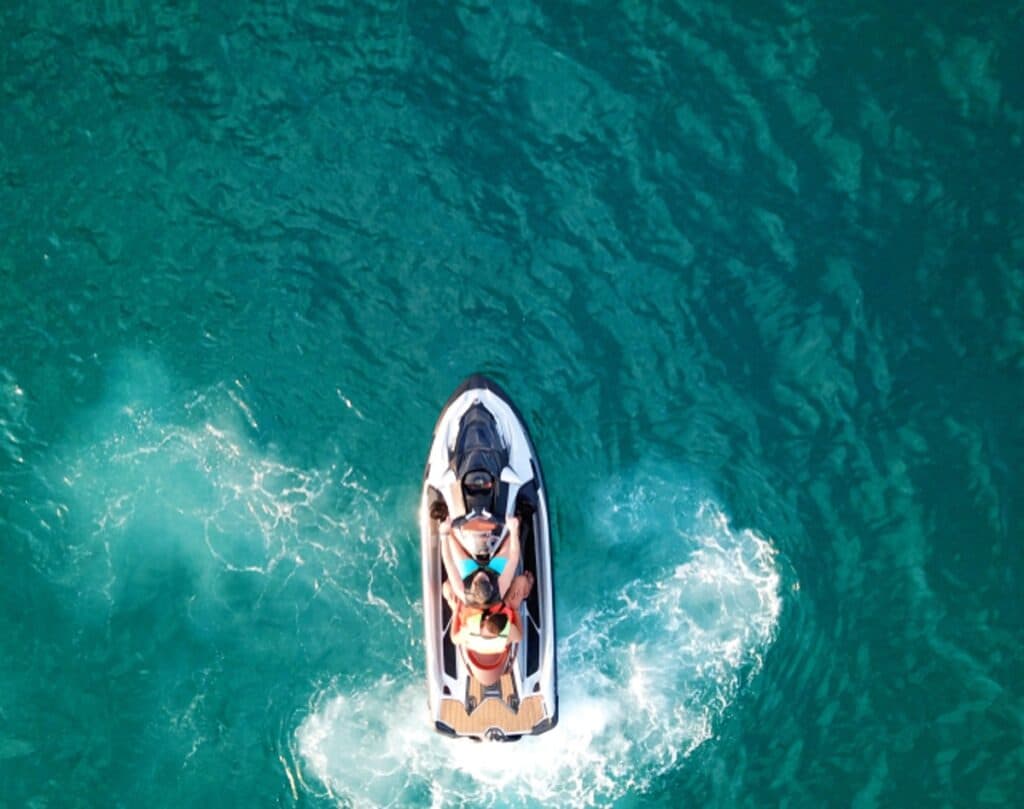
- Premiums vary by craft, storage location, limits, deductible, operator profile, riding experience, and the coverage you choose.
- Newer, more expensive models with higher horsepower cost more to insure.
- Completing a boating safety course can earn you a discount on your premium.
- Bundling your jet ski policy with your boat, home, or auto insurance often qualifies you for a multi-policy discount.
Storage and Hurricane Season Considerations
Southwest Florida’s hurricane season creates additional risks for PWC owners. Your jet ski insurance should address storm-related damage and storage requirements.- Store your jet ski in a secure location during hurricane warnings. Some policies require you to remove your PWC from the water before a named storm.
- Comprehensive coverage typically covers storm damage, but check your policy for any named storm exclusions or separate deductibles.
- Year-round theft protection is important since PWCs on trailers are easy targets for thieves.
- If you store your jet ski for extended periods, some carriers offer lay-up coverage at a reduced rate.
Frequently Asked Questions
Is jet ski insurance required in Florida?
No, Florida does not require insurance for personal watercraft. However, if you financed your jet ski, your lender will require coverage. Even without a loan, insurance is strongly recommended.Does my homeowners policy cover my jet ski?
Most homeowners policies provide very limited or no coverage for motorized watercraft like jet skis. You need a separate watercraft policy for proper protection.Can I insure multiple jet skis on one policy?
Yes, most carriers allow you to add multiple PWCs to a single watercraft policy, which is often cheaper than insuring each one separately. Your jet ski brings you joy on the water. Protecting it with the right insurance ensures that joy isn’t interrupted by unexpected expenses. Call Bassine Insurance Agency at (239) 995-0333 or request a quote to get your PWC covered today.Before binding a PWC policy, review how the policy treats operators, towing, storage, accessories, hurricane preparation, salvage, and damage that happens while the craft is on a trailer. Local waterways, marina storage, and seasonal use can all change the practical risk picture, so it helps to compare limits and exclusions before assuming a basic watercraft policy covers every situation.
What To Compare Before You Choose Limits
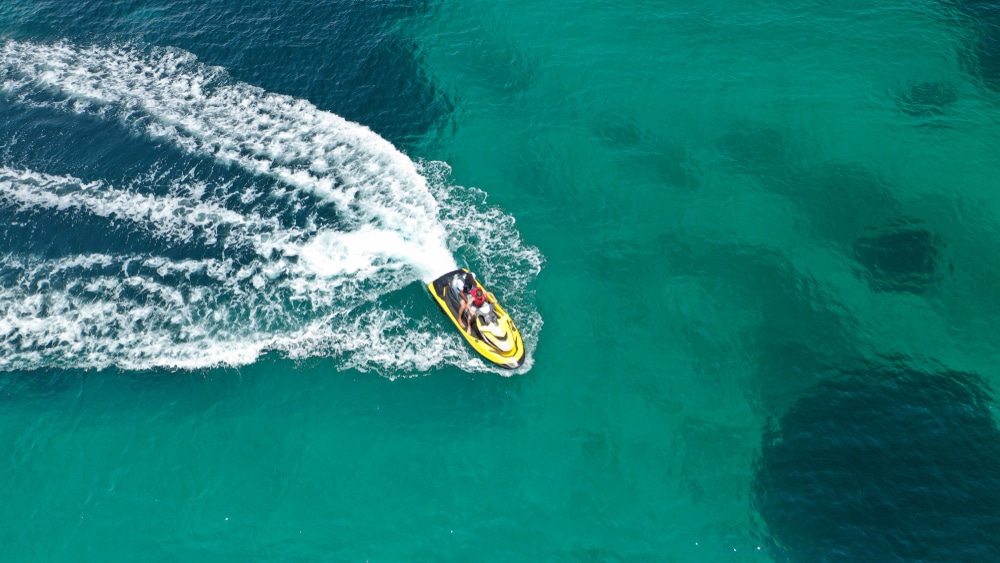
A useful PWC insurance review goes beyond the value of the jet ski itself. Ask how the policy treats operators who are not listed by name, what happens if the craft is damaged while being towed, whether accessories are included, and how liability responds if another person is injured. These details are easy to overlook because the machine is small compared with a boat, but the exposure on the water can still be meaningful.
Storage is another practical point for Southwest Florida owners. Some PWCs sit at a home, some stay near a marina, and others move between a trailer, dock, and seasonal rental property. Tell your agent where the craft is usually kept and whether it is used year-round or mainly during warmer months. That helps narrow the gap between a policy that looks inexpensive and one that actually fits how you use the watercraft.
It is also worth reviewing deductibles before hurricane season. A lower premium can come with a deductible that feels manageable until a claim happens. Compare the savings against what you would be comfortable paying after theft, storm damage, collision damage, or a trailer accident. If you own more than one PWC, ask whether scheduling them together changes the price or simplifies the claims process.
Bassine Insurance Agency can help you compare options from multiple carriers, explain where exclusions apply, and match coverage to your actual boating habits. Bringing the year, make, model, hull identification number, storage address, trailer details, and current loan information will make the quote conversation faster and more accurate.
If you ride with guests, lend the PWC to family, or launch from different ramps, mention that during the quote review. The best policy choice may depend on who operates the craft, where it is used, how often it leaves storage, and whether the trailer or accessories need separate attention. A few minutes spent clarifying those details can prevent confusion when a claim, theft, or liability question comes up later.
Keep a copy of your purchase paperwork, trailer registration, photos, and any accessory receipts with your insurance records for faster claims review, smoother documentation, and clearer verification. If the PWC is damaged or stolen, that documentation can make the claim conversation easier and help confirm the equipment you intended to protect.