Maintaining Your Boat Insurance During Hurricane Season

boat owners

Hurricane season is nothing new for boat owners in Florida, but that doesn’t make it any less stressful when those heavy winds and unpredictable waters start to roll in. Power outages, flooding, and damage to docks and marinas are common concerns when the storms get serious. But for anyone who owns a boat, protecting that investment becomes just as important as protecting your home. That’s why paying attention to your boat insurance before hurricane season arrives isn’t something to put on the back burner.

Boat insurance can be easy to ignore when waters are calm, but once storm warnings go into effect, no one wants to be caught scrambling to figure out if their policy covers hurricanes. Taking time to understand your current coverage and making sure it’s strong enough to handle storm-related risks can save you from bigger problems later. Maintaining your policy isn’t only about paperwork. It’s about peace of mind when the weather takes a turn.

Understanding The Risks Of Hurricane Season

boat insurance

Hurricanes can create a perfect storm of issues for boat owners, especially in coastal areas like Fort Myers that face active storm seasons. High winds, heavy rain, and rough surf can send boats adrift, break anchors, smash hulls, or even sink vessels altogether. Even boats that are stored ashore aren’t always safe. Falling branches, flying debris, or flash floods can still find their mark.

Here are some common ways hurricanes can threaten watercraft:

– Structural damage caused by high winds or wave impact

– Sinking or water intrusion from poor dock conditions

– Damage from being tossed or dragged if moorings or lines fail

– Theft or vandalism during mass evacuations or loss of power

– Losses from fallen trees or debris if stored onshore

Imagine your boat is docked in a marina, but you don’t have coverage for storm surges. One strong wave forces your boat onto the shore, cracking the hull and damaging the engine. If your policy doesn’t fully address storm-related damages, you could end up covering thousands in repairs or a complete replacement out of pocket.

Storms don’t always give much warning, which is why it pays to go over your policy before the first weather alert pops up. Whether your boat lives in the water or inland on a trailer, the risks are there and your coverage should reflect that.

Key Aspects Of Boat Insurance For Hurricane Coverage
boat insurance

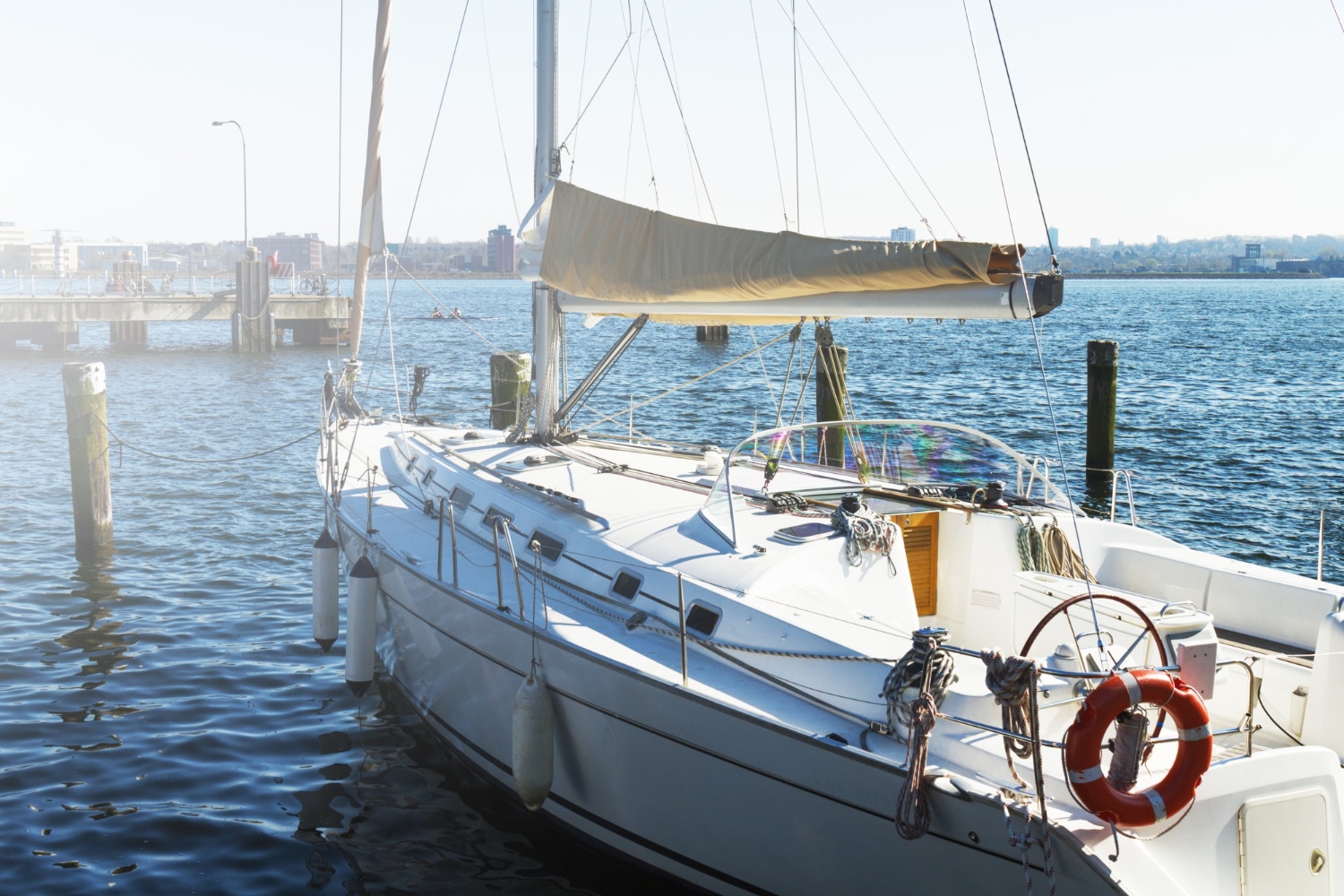
Not all boat insurance plans are created equal, especially when it comes to hurricane protection. While most basic policies cover damage caused by storms, they might not include the kind of specific protections boat owners in Fort Myers often need during hurricane season.

Here are a few key items your policy should include or have available as add-ons:

– Storm haul-out coverage: Helps pay to haul your boat out of the water and store it on land before a storm hits, which can lessen major damage

– Named storm deductible: Make sure you understand whether there’s a separate hurricane or named-storm deductible and how that amount differs from your standard one

– Agreed value or replacement coverage: Clarify how your payout is calculated in the event of total loss. Some policies may only cover depreciated value

– Coverage while stored ashore: Boats kept in driveways, garages, or storage yards should still be protected during a storm

– Liability and fuel spill coverage: If your boat ends up damaging another vessel or leaking fuel, you can be held responsible

It’s worth sitting down with your insurance paperwork and reading the fine print. Pay close attention to storm clauses, deductibles, haul-out terms, and what’s assumed under acts of nature. You may think you’re protected, but many policyholders find out too late that hurricane coverage isn’t as clear-cut as they thought.

Tips For Maintaining Your Boat Insurance During Hurricane Season

When hurricane season gets close, the smartest thing you can do as a boat owner is to stay ahead of it. That includes checking your current policy and making sure you’re fully protected. A quick review each year can make a big difference should storms hit Fort Myers.

The good news is that staying on top of your boat insurance doesn’t need to be complicated. Here are a few easy ways to keep your policy where it needs to be:

– Read through your policy before June rolls around. Look for expiration dates, deductible amounts, and storm-specific details

– Schedule time to speak with your insurance rep. They can walk you through any changes, updates, or added coverage options

– Keep your boat’s value documented. That includes updated photos, recent repairs, and receipts for major updates or gear

– Ask about storage protection if you plan to move the boat inland or into dry storage

– Make sure named-storm wording, storm-haul out, and total loss payouts are clearly outlined

Some boat owners also assume their homeowners insurance might step in for certain things, but most boat damage and loss falls under marine policies. Keep all related insurance paperwork in an easy-to-grab folder or saved digitally so you can access it quickly in case of an emergency.

It’s also smart to get familiar with your builder’s plate or manufacturer info, especially if you’ve made modifications. That information can come in handy when confirming coverage limits or filing a claim after damage.

Staying connected with your insurance provider and being proactive before the season starts helps you avoid last-minute stress. It also gives you time to fix any gaps instead of scrambling when a storm is on the radar.

How To Choose The Right Watercraft Insurance Agency In Fort Myers

Having the right insurance is one thing, but having the right people backing it matters too. An experienced watercraft insurance agency in Fort Myers isn’t just going to offer a generic policy and send you on your way. They should be familiar with local risks, storm trends, and how hurricane season hits boat owners in this area differently than in other regions.

When you’re trying to find an agency that fits, keep these points in mind:

– Look for local experts. Agencies based in or near Fort Myers often understand the area better and can recommend stronger protections

– Ask about their experience with storm-related claims. Do they offer help with temporary repairs or marina towing suggestions?

– Read communication reviews. Are they easy to reach before and after hurricanes?

– Pay attention to how clearly they explain your policy. If things sound too vague or generic, don’t be afraid to ask more questions

A watercraft policy is more than checking a box. It works best when you have a support team that knows how to guide you through it instead of handing you a contract with confusing terms. Choose an agency that sees your specific needs. Not just the type of boat, but how, when, and where you use it throughout the year.

Whether you’re a weekend boater or live part of the year on the water, finding the right agency with the right kind of support can keep you assured if hurricane season throws surprises your way.

Safeguard Your Investment This Hurricane Season

Hurricane season doesn’t have to feel like a gamble. With the right boat insurance and a little planning ahead, you can head into it knowing you’ve done your part. Checking your coverage isn’t something to wait on or rush through at the last minute. Whether it’s confirming your storm haul-out protection or double-checking your deductible, managing the details now can make recovery that much easier later.

Storms may hit without warning, but that doesn’t mean you have to deal with the damage unprepared. The time you spend adjusting your boat insurance today can be the reason you avoid a financial headache tomorrow. Ocean air and saltwater come with their own kind of freedom, and protecting your boat before the skies turn gray is one of the smartest things you can do.

Choosing the right coverage is a big part of keeping your boat safe during hurricane season, and having a local team that truly understands your needs can go a long way. Talk to Bassine Insurance Agency, a watercraft insurance agency in Fort Myers, to explore custom coverage options that are built for Florida boaters. Don’t wait until a storm is brewing; get ahead of it with help you can trust.

Helpful Resources

Frequently Asked Questions

Do I need boat insurance in Florida?

While Florida does not legally require boat insurance, most marinas and lenders do. Watercraft insurance protects you from liability, theft, storm damage, and towing costs in Southwest Florida waters.

What does watercraft insurance cover?

Watercraft insurance covers hull damage, liability for injuries or property damage, medical payments, uninsured boater coverage, and emergency towing or salvage.

How much does boat insurance cost in Fort Myers?

Most Fort Myers boat owners pay between $200 and $500 per year. Contact Bassine Insurance at (239) 995-0333 for a personalized quote.

Get a Free Insurance Quote Today

Bassine Insurance Agency has been protecting Fort Myers families for over 30 years. Call (239) 995-0333 or request a free quote online.


Risk Assessment for Contractors in Southwest Florida

contractor insurance

Contractors face a wide range of risks that can disrupt projects, drain finances, or put teams in harm’s way. Whether you’re building new homes, remodeling kitchens, or working on commercial spaces, each job site brings its own surprises. Risk assessment isn’t just paperwork or a formality. It’s one of the most effective ways to protect your work, workers, and bottom line.

Southwest Florida presents its own mix of challenges for contractors. The weather alone can throw a wrench in your timeline if you’re not prepared. Hurricanes, heavy rains, and high humidity can put both your projects and your materials at risk. That’s why it’s important to understand both the obvious and less obvious threats and how to stay ahead of them before they turn into bigger problems.

Identifying Common Risks

contractor insurance

Being aware of what could go wrong is the first step to managing a safer project. For contractors in Southwest Florida, here are some common risks that can derail a project or lead to losses:

– Weather damage: Hurricanes and flash floods can destroy partially completed structures or wash away tools and materials. Even just one strong storm can set you back weeks.

– Equipment and material losses: Construction involves expensive tools, rented machinery, and ongoing deliveries. Anything left on-site overnight can get stolen or damaged if not secured properly.

– Worksite injuries: Even with safety precautions, accidents still happen. Falls, cuts, and equipment mishaps are among the most common issues on construction sites.

For example, a contractor working near the coast left materials unsecured overnight, expecting clear skies. A strong storm rolled in earlier than expected, and the surprise rainfall soaked new drywall and wiring. Not only did the job get delayed, but the out-of-pocket cost for replacement materials cut deep into the project’s profit.

Understanding these risks early on means you can take steps to prevent or manage them better. That’s where proper planning comes in, from storm prep to tool storage routines. A risk-focused mindset should be baked into every stage of your project.

Risk Management Strategies

Business interruption insurance guide for companies

After identifying the threats, the next step is figuring out how to lower the chances they’ll cause any real damage. Risk management strategies don’t have to be overly complex, but they do need to be consistent.

Try these practical approaches:

– Schedule routine safety training so all crew members know what to look for and how to avoid trouble.

– Check weather forecasts at the beginning and end of each workday, especially during hurricane season.

– Store expensive tools and materials in locked containers or move them off-site when not in use.

– Flag any hazardous zones with signage and barriers to reduce the chances of injury.

– Assign safety roles so at least one person is always paying attention to potential issues.

Having open lines of communication with your crew helps, too. Regular chats before and after a shift can surface problems early, like a broken harness or weather-related delay. Informal as it may seem, conversations can spark real improvements. When crews work together to spot and handle problems before they grow, risk management becomes a natural part of everyday work and not an afterthought.

The Role Of Contractor Insurance

No matter how careful your planning is, some risks are out of your control. That’s where contractor insurance comes in. It acts as a safety net when something goes wrong and helps you recover without taking a massive financial hit. Whether it’s damage from a pop-up storm or a job site injury, insurance gives you a way to manage unexpected setbacks.

Contractor insurance is built to handle specific challenges professionals face on different types of jobs. It typically covers things like property damage, workplace injuries, and liability if something you or your team does harms someone else’s property. Depending on the policy, it might also extend protection to tools and equipment, which is a big deal if you rely on specialized gear for your projects.

Having insurance doesn’t just protect your own business. It also assures your clients that you take your work seriously and are able to take responsibility if things go sideways. Many property owners or developers will even require you to carry coverage before they agree to hire you. Without it, you may be left out of good opportunities.

If a roofing contractor gets into a job mid-project and the wind tears off a portion of the newly installed materials overnight, a solid policy can help replace what was lost. Without insurance, the contractor might have to pay out of pocket or stall the project entirely while figuring things out. That kind of problem can snowball into bigger scheduling and budget issues fast.

How To Choose The Right Contractor Insurance In Southwest Florida

Picking the right policy isn’t just about checking boxes. It needs to match your actual job risks, project type, and even the region you’re working in. In Southwest Florida, the weather alone makes local experience a priority when speaking with an insurance provider. There’s no one-size-fits-all coverage when you’re taking on renovation jobs, HVAC installations, or a full home build.

Keep these things in mind as you evaluate insurance options:

– Look at what activities you perform regularly. If you use heavy machinery or subcontract portions of your work, you’ll want that reflected in your coverage.

– Consider the job locations. Waterfront construction may come with more exposure to wind or water risks than projects located farther inland.

– Compare policy limits and what’s actually covered. A basic general liability plan might help with property damage, but not necessarily with tools, vehicles, or delays due to weather.

– Check how easy it is to update or scale your coverage. As your business grows or takes on different types of projects, you’ll want your insurance to grow with it.

– Work with a provider that understands Florida-specific risks like tropical storms, sinkholes, and high humidity.

Choosing insurance is just as important as buying your materials or selecting your crew. It’s part of the foundation that helps your business stay stable even when surprises happen. And whether you’re a longtime local or a newer contractor building a client base, a strong policy helps support that long game.

Why It Matters to Be Ready

Risk assessment and insurance planning aren’t just checkboxes. They’re how contractors protect what they’ve worked hard for. Projects in Southwest Florida bring unpredictable weather, fast-paced timelines, and lots of moving parts. A small mistake or accident can quickly unravel days or weeks of progress. That’s where a plan backed by contractor insurance can really make a difference before things get off track.

The pressure to stay on schedule and budget is part of the job. But cutting corners when it comes to planning or insurance often ends up costing more down the road. With a clear view of your risks and an insurance setup that actually fits your business, you can focus on getting the job done right, knowing you’ve got backup when you need it most.

Ready to protect your contracting business from the unexpected challenges of Southwest Florida’s dynamic environment? At Bassine Insurance Agency, we understand the vital role a comprehensive insurance plan plays in keeping your projects on track. 

Craft a robust safety net today by exploring our tailored coverage options, including flood insurance in Fort Myers, FL, designed to shield your work from the region’s unpredictable weather patterns. Secure your peace of mind and focus on delivering excellence, knowing we’ve got your back!

Helpful Resources

Frequently Asked Questions

What insurance do contractors need in Florida?

Florida contractors typically need general liability, workers’ compensation, commercial auto, and builder’s risk insurance. Requirements vary by trade and license type.

Is contractors insurance required in Fort Myers?

Yes. Lee County and the State of Florida require proof of insurance for most contractor licenses. General liability and workers’ comp are commonly required.

How much does contractors insurance cost?

Costs vary by trade and payroll size. General liability for a small Fort Myers contractor often starts at $800-$2,000 per year. Call (239) 995-0333 for a quote.

Get a Free Insurance Quote Today

Bassine Insurance Agency has been protecting Fort Myers families for over 30 years. Call (239) 995-0333 or request a free quote online.

When to Update Your Fort Myers Auto Insurance Policy

car insurance

Auto insurance is something most drivers know they need, but it’s easy to overlook once the policy is in place. Life moves fast, and unless there’s a big event, people often forget about checking in on their coverage. The truth is, changes can creep up that might leave you underinsured, overpaying, or not properly covered at all. Whether you’re a new driver or have been driving for years, keeping your car insurance in Fort Myers updated is crucial for your protection and peace of mind.

Fort Myers drivers deal with a specific mix of factors, ranging from seasonal residents and high tourist traffic to route changes and growing neighborhoods. These local factors can quietly influence your insurance needs. If you haven’t looked at your policy in a while, there’s a chance your situation has changed more than you think.

Changes In Personal Circumstances

auto insurance

Life changes can happen fast. Some are exciting, like getting married or having a baby. Others are routine, like taking a new job or moving to a different part of town. What most people don’t think about is how these events might impact car insurance.

Here are a few examples of personal changes that should prompt a check-in with your insurer:

– Marriage or partnership: If you’ve gotten married or entered a long-term relationship, adding your partner to your policy—or combining two policies—could offer savings.

– A new driver in the house: Teens who pass their road tests need to be added to your insurance. Forgetting this could result in problems later if they’re involved in a claim.

– Change of address: Even moving a few neighborhoods over in Fort Myers can change your rate, thanks to varying zip-code risks like crime rates or local traffic flow.

– Work or lifestyle changes: Shifts in driving habits, like starting remote work or picking up a longer commute, also affect your premiums. Insurers use your estimated mileage to calculate rates, so any change might mean it’s time to update that detail.

Each of these life changes may nudge your premiums up or down. More importantly, if your insurer doesn’t know your current situation, you might not have the right protection in place.

Vehicle Upgrades Or Modifications

car insurance

If you’ve done anything to upgrade or modify your car, your auto insurance policy might need a quick tune-up too. Even small tweaks can impact your coverage and how much you might receive after a claim.

Common upgrades that often trigger an insurance update include:

– Upgraded sound systems or entertainment units

– Custom paint jobs or vinyl decals

– Enhanced safety tools like backup cameras or sensors

– New rims or suspension adjustments

– Anti-theft systems and car alarms

These upgrades can increase the value of your vehicle. Let’s say you’ve installed a top-tier stereo setup. If that system isn’t documented with your insurer, and your car is later damaged or stolen, your plan might not fully cover what you’ve invested. On the other hand, if you install new safety features, you could qualify for savings, but only if your insurance provider knows about them.

Your coverage isn’t just about how your car looked when you bought it. It needs to reflect what you’re driving now—every modification, big or small.

Driving Record Changes That Can Affect Your Coverage

Your driving history plays a big part in what you pay for auto insurance. If your record has changed, either for better or worse, your policy should match your current risk level.

Consider looking at your plan if any of the following apply:

– You’ve had recent speeding tickets or traffic incidents

– You completed a defensive driving course

– Your record has been clean for several years

– A driver has been added or removed from your household policy

If your driving habits have improved, you may qualify for a better premium. But unless you let your insurance company know, you might be stuck paying the same rate as before. Defensive driving courses can often help reduce premiums, but only if the course is listed in your file.

At the same time, if you’ve picked up a ticket or were involved in an accident, your insurer should know to adjust your policy properly. It helps avoid surprises later on when filing a claim and keeps your coverage in sync with real life.

Why Reviewing Market Rates Benefits Fort Myers Drivers

Auto insurance rates don’t stay the same forever. Even if nothing’s changed in your own driving life, market factors can affect how much you’re charged each renewal period. As a Fort Myers driver, it’s smart to do occasional check-ins on your plan to make sure you’re not falling behind new trends or missing out on savings.

Reasons to review your coverage regularly:

– The value of your vehicle goes down over time

– New discounts or bundles may be introduced that weren’t there before

– Your personal finances or driving habits may have changed

– Different companies might offer better rates for the same coverage

If your car is a few years old now or if you’re driving less than you used to, your insurance needs won’t be the same as when you first signed your policy. Take advantage of renewal dates as a reminder to shop smart—even if you’re happy with your current provider. You don’t have to switch to save. Often, simply talking to your current agent about potential updates can already reduce your rate or improve your options.

Keeping Your Policy Aligned With Your Life

Your policy should grow and change alongside your life. A one-size-fits-all approach might be convenient, but in most cases, it leaves room for gaps or unnecessary charges. Staying on top of insurance updates removes the guesswork from your coverage and keeps your peace of mind intact.

Everything from moving homes to adding miles on your daily drive can shift what coverage is right for you. Even if things feel settled, taking 15 minutes to review your policy now can prevent frustrating problems later. Too many drivers leave their policies untouched for years and only discover their coverage doesn’t fit when it’s too late.

Think of your auto insurance as part of your overall life plan. It should match your current lifestyle, your car’s condition, and your daily routine. Keeping that all aligned isn’t just smart—it’s responsible.

Ready For Peace of Mind?

For personalized advice on updating your car insurance in Fort Myers, trust Bassine Insurance Agency to provide you with the best coverage options that fit your needs.

If you’re ready to make sure your vehicle has the coverage it actually needs, updating your car insurance in Fort Myers with Bassine Insurance Agency can help you stay protected without overpaying. Get in touch today for friendly, personalized support.

Helpful Resources

Frequently Asked Questions

What auto insurance coverage is required in Florida?

Florida requires a minimum of $10,000 in Personal Injury Protection (PIP) and $10,000 in Property Damage Liability (PDL). Most Fort Myers drivers benefit from additional coverage like collision, comprehensive, and uninsured motorist protection.

How can I lower my auto insurance premiums in Fort Myers?

You can lower premiums by bundling auto with home insurance, maintaining a clean driving record, taking defensive driving courses, and raising your deductible. Call Bassine Insurance at (239) 995-0333 for a free rate comparison.

Does auto insurance cover hurricane damage to my car?

Comprehensive coverage protects your vehicle from hurricane damage including flooding, falling trees, and wind damage. Liability-only policies do not cover weather-related damage to your own vehicle.

Get a Free Insurance Quote Today

Bassine Insurance Agency has been protecting Fort Myers families for over 30 years. Call (239) 995-0333 or request a free quote online.

Hurricane Preparation Checklist for Fort Myers Homeowners

home insurance

Living in Fort Myers means being familiar with hurricane season. From June through November, the threat of strong winds, heavy rains, and flooding becomes part of daily weather checks. While most residents have experienced at least one serious storm, preparing for each season with a fresh and complete plan is one of the best ways to stay out of harm’s way. Hurricanes can form quickly, and without a plan in place, it gets stressful fast.

Instead of scrambling when a storm forms in the Gulf, Fort Myers homeowners can save time and reduce worry by prepping in advance. That doesn’t mean stocking up on bottled water and hoping for the best. Real hurricane readiness means having a detailed to-do list, understanding your insurance coverage, and knowing how to physically protect your property and loved ones. Here’s what residents should keep in mind as hurricane season approaches.

Preparing For Hurricane Season: What Fort Myers Homeowners Need To Know

Homeowners Insurance

No two hurricanes are the same, and no two homes are either. That’s why it helps to treat preparation like more than just habit. Start by thinking through your household’s specific needs. Do you have pets? Are there elderly family members in your home? Do you need prescriptions or rely on special medical equipment during a power outage? These types of questions will help guide the rest of your planning.

Southwest Florida has seen everything from minor tropical storms to major hurricanes that change neighborhoods forever. Even if you’ve been through previous storms without much damage, the next one could be different. Relying on past experiences alone isn’t enough. What worked last time might not cut it again. For example, if you stayed home during a Category 1 storm and got lucky, that doesn’t mean your house is ready for a Category 3 or higher. The same goes for flood zones—just because water didn’t reach your doorstep before doesn’t mean it won’t next time.

Don’t wait until the first warning cone targets the coast. Prepping early gives you peace of mind and protects your property through the season. A good starting point is putting together a reliable emergency plan and making sure your home is physically ready for rough weather.

Safety Measures: Securing Your Home And Family

homeowners insurance

Keeping your home intact is important, but nothing matters more than the people inside it. Having a safety plan is about making smart decisions ahead of time, not reacting under pressure when a storm hits. Here are a few things every Fort Myers homeowner should do to keep everyone safe:

1. Create an evacuation plan

– Know where you’ll go if a storm forces you to evacuate. Choose a shelter or out-of-town location ahead of time.

– Make sure every member of your home knows the plan. Practice it with your family, especially young kids or anyone who may need help.

– Arrange transportation if driving isn’t an option for someone in your household.

2. Assemble an emergency kit

– Pack enough supplies for at least three days. This should include water, canned or ready-to-eat food, a flashlight, batteries, first aid supplies, and cash.

– Include copies of important documents like ID cards and insurance policies in a waterproof pouch.

– Don’t forget prescription medications, hygiene products, pet supplies, and baby formula if needed.

3. Reinforce windows and doors

– Install storm shutters or use plywood to cover windows if shutters aren’t available.

– Check that exterior doors close tightly and that garage doors are braced or reinforced.

4. Secure outdoor items and landscaping

– Clear your yard of anything that could become a projectile in high winds. Patio furniture, yard tools, and even decorations need to be anchored or put inside.

– Trim back tree limbs that might snap and hit power lines or your roof.

Being ready is about making hard things easier when time is short. Having your hurricane checklist in place well before a storm heads toward Fort Myers gives your household a better shot of getting through it with fewer surprises.

Protecting Your Home: Insurance And Documentation

One of the most overlooked but important parts of hurricane prep is knowing how your insurance works. It isn’t just about having a policy. It’s about knowing what that policy covers and what it doesn’t. Reviewing your home insurance in Fort Myers before hurricane season gives you a better idea of how well your property is protected.

Start by checking if your policy covers wind damage and flooding. Wind and rain often go hand-in-hand with hurricanes, but they’re not always treated the same on an insurance policy. You might need a separate flood insurance policy to be fully protected, especially in high-risk areas or if your home is built at a lower elevation. Take time to understand your deductibles too. Some homeowners don’t realize hurricane deductibles are separate and calculated differently from other types of claims.

Next, think about how quickly you could file a claim after a storm. That process gets easier when you’ve done a little prep in advance:

– Walk through your home and take photos or videos of your belongings

– Keep receipts for larger items like appliances, furniture, and electronics

– Store digital backups of important documents in cloud storage or email them to yourself

One example of why this matters: after a friend’s home took in serious water damage during a recent storm, she had a much easier time getting her claim processed because she already had pictures and serial numbers for all her large appliances. Being able to show proof of what she owned took the pressure off during a stressful cleanup.

Making insurance part of your checklist now, not just after something happens, can save you from a lot of problems later on. Review your coverage annually and check for gaps well before you ever see a storm warning.

Preparing Your Home: Maintenance and Repairs

Handling small maintenance jobs now can make a big difference when storm season hits. Keeping your home’s structure strong and sealed helps protect it from wind, rain, and debris. A lot of storm damage doesn’t come from the storm itself, but from weak spots that weren’t taken care of early on.

Start with your roof. Loose shingles or cracked sealant can turn into big problems during high winds or driving rain. It’s easier and safer to fix these issues ahead of time than during emergency repairs later. You’ll also want to clean out gutters and downspouts. If they’re clogged, water can pool and damage your roofline or foundation during heavy rainfall.

Another smart step is checking your home’s utilities. If strong winds knock out power, you’ll want to know that gas lines, water shutoffs, and your breaker box are accessible and working. Even a routine electrical inspection can help spot worn wires or loose connections that could create issues under stress.

Make sure your garage doors are tightly secured. These are big entry points, and if they get blown in, they can lead to serious structural damage. Reinforcement kits are available, but it’s always a good idea to talk to someone who understands how wind pressure works on large openings.

Walk around your home now, not during an active alert. Look for anything that looks out of place or worn down. Keeping things sealed and tied down helps your home get through a storm in one piece and helps you avoid stressful repairs after the fact.

Staying Informed: Monitoring Weather and Alerts

Storms can change paths fast, and staying on top of where they’re going helps you act sooner. Don’t rely on just one source to get your weather news. Use a mix of alerts from your phone, weather radio, or local TV stations so you’re not caught off guard.

Set up emergency text alerts through your city or county’s website, if available. Many of them send real-time updates on evacuation routes, shelter openings, and road closures. These local sources are often the fastest to update when something changes last minute.

Be sure your whole household understands the evacuation zones in your area. Print a map if needed and show everyone the route. The goal is to know where to go without wasting time figuring it out once traffic has already started backing up.

It also helps to keep an eye on social media accounts for your town or county, emergency services, and even nearby school districts. Updates often go out there first. If you’re worried about power outages cutting off your access, keep a battery-powered radio as a backup.

When you’re informed early, you can make better calls about when to secure outdoor items or when to leave if needed. Being a step ahead of the storm makes all the difference.

Staying Safe Throughout the Storm

Once the storm starts, it’s about hunkering down and avoiding injuries. The time to prepare is earlier, but when you’re in the middle of it, focus on safety and wait it out. Don’t open the door or windows to check on things. It might feel tempting, but even short exposure to wind-driven debris can lead to serious injuries.

Before the storm arrives, lower your AC to keep the house cool in case you lose power. Turn your fridge and freezer to the coldest setting and avoid opening them to keep food from spoiling too quickly. Charge all devices and backup batteries beforehand.

If you’re sheltering in place, stay in an interior room with no windows, like a hallway or closet. Put pillows, cushions, or even a mattress nearby in case winds pick up even harder. Keep pets close and make sure they feel secure too.

Right after the storm passes, the danger doesn’t stop. Broken glass, sharp branches, live power lines, and hidden floodwaters can all cause accidents. Before heading outside, give it time and wait for an all-clear from emergency services. If your home is damaged, take pictures from a safe spot and only enter once you’re certain it’s stable.

Looking out for yourself and your family doesn’t end when the rain stops. Stay alert during cleanup and don’t ignore warning signs or localized flooding even if skies look better.

How Bassine Insurance Agency Can Help You Stay Prepared

Hurricane prep isn’t a one-time task. Fort Myers homeowners know storms are a part of life, and taking steps early can help you avoid lasting damage and high stress when one makes landfall. From reviewing your emergency plans and checking your insurance coverage to securing the physical structure of your home and staying updated through local alerts, each move plays a part in being ready when it counts.

Being prepared now means less panic later. Keeping your home and family safe starts with a plan, one that gets better and easier each hurricane season. Making these steps part of your yearly routine helps you stay calm and ready for whatever the storm throws your way.

When it comes to safeguarding your home during hurricane season, being prepared is key to minimizing stress and damage. Make sure your property is properly protected by reviewing your coverage needs for home insurance in Fort Myers. Bassine Insurance Agency is here to help you find coverage that fits your specific situation, so you can face any storm with confidence and peace of mind.

Helpful Resources

Frequently Asked Questions

What does homeowners insurance cover in Florida?

Standard homeowners insurance covers your dwelling, personal property, liability, and additional living expenses. It does not cover flood damage — you need a separate flood insurance policy for that.

How much homeowners insurance do I need in Fort Myers?

Your coverage should rebuild your home at current construction costs. Fort Myers homeowners should also consider windstorm and flood coverage. Call Bassine Insurance at (239) 995-0333 for a free review.

Does homeowners insurance cover hurricane damage?

Standard policies cover wind damage but NOT flood damage. Most Fort Myers homeowners need both homeowners and flood insurance for complete hurricane protection.

Get a Free Insurance Quote Today

Bassine Insurance Agency has been protecting Fort Myers families for over 30 years. Call (239) 995-0333 or request a free quote online.