Florida homeowners insurance and hurricane damage — what’s covered, what’s excluded, and how to make sure your policy protects you before the next storm.
Continue readingDoes Your Homeowner’s Insurance Cover Hurricane Damage?


Florida homeowners insurance and hurricane damage — what’s covered, what’s excluded, and how to make sure your policy protects you before the next storm.
Continue reading
Many retirees in Bonita Springs wonder whether they still need life insurance once they’ve stopped working. The kids are grown, the mortgage might be paid off, and the primary reason for carrying coverage, replacing your income, no longer applies. But there are several important reasons why life insurance for retirees in Bonita Springs remains valuable, and understanding them can help you make the right decision for your situation.
At Bassine Insurance Agency, we work with Bonita Springs retirees to evaluate whether their current life insurance still serves their needs or whether adjustments would better fit their retirement lifestyle.

While the need for life insurance does change in retirement, it doesn’t necessarily disappear. Here are the most common reasons Bonita Springs retirees choose to keep their coverage.
The right answer depends entirely on your personal financial situation, your debts, your goals for your estate, and your spouse’s financial security. There’s no one-size-fits-all answer, which is why a personal review is so valuable.
Retirees have several life insurance options, each designed for different needs and budgets.

Not every retiree needs to maintain life insurance. You may be able to drop your coverage if the following conditions apply.
Before dropping any life insurance, we recommend a thorough review with your agent and financial advisor. Canceling a policy you’ve held for decades can’t be undone, and getting new coverage later in life is significantly more expensive if it’s available at all.
If you already have life insurance, retirement is a good time to review it. Your coverage needs may have changed, and your policy may have features you’re not taking advantage of.
For more information, you may find these resources helpful: Insurance Information Institute life insurance types and Social Security survivor benefits.

It depends on your financial situation. If you have debts, a dependent spouse, or estate planning goals, life insurance remains valuable. If you’re debt-free with ample savings, you may not need it. A review with our team can help you decide.
Final expense or burial insurance is typically the most affordable option for retirees. Policies start at just a few dollars per month and provide enough to cover funeral costs and small debts.
Yes, but options become more limited and premiums increase with age. Guaranteed issue policies are available without a medical exam, though they typically have lower death benefits and a graded benefit period.
Retirement in Bonita Springs should be enjoyed without financial worry. Whether you need to keep your life insurance, adjust it, or explore new options, Bassine Insurance Agency is here to help. Call us at (239) 995-0333 or request a free policy review.

Southwest Florida is a boater’s paradise. From the sparkling waters of the Gulf to the Caloosahatchee River and the islands along the coast, there’s no shortage of places to enjoy time on the water. But owning a boat or personal watercraft also comes with real risks, and understanding what watercraft insurance covers helps you enjoy the water with confidence.
At Bassine Insurance Agency, we help SW Florida boaters build policies that match their vessel, their waterways, and their budget. Here’s a detailed look at what watercraft insurance covers and why each component matters.
Hull coverage is the foundation of any watercraft policy. It protects the physical structure of your boat, including the hull, engine, sails, equipment, and machinery, against damage from a variety of causes.
Hull coverage can be written on an agreed value or actual cash value basis. We typically recommend agreed value for SW Florida boaters because it guarantees a specific payout if your vessel is totaled, without depreciation reducing your claim.
Boating liability coverage protects you financially if you cause injury to another person or damage their property while operating your watercraft.
SW Florida’s waterways get busy, especially during season and holidays. Higher boat traffic means higher risk of incidents. We recommend carrying at least $300,000 in boating liability, with higher limits for larger vessels or those who regularly carry multiple passengers.

Medical payments coverage, sometimes called MedPay, pays for medical expenses for you and your passengers after a boating accident, regardless of who’s at fault. This is especially important because health insurance may not cover all costs associated with water-related injuries.
Boating injuries can be serious. Between propeller strikes, collisions, and falls on wet surfaces, the potential for medical bills is real. MedPay provides a fast, no-hassle way to cover those costs.
Not every boater in SW Florida carries insurance. If an uninsured boater hits your vessel and injures you or your passengers, uninsured boater coverage steps in to pay for your injuries and damages.
Since Florida doesn’t require boat insurance, the percentage of uninsured boaters on the water is higher than uninsured drivers on the road. This coverage is a smart addition for anyone boating regularly in SW Florida.

If your boat sits on a trailer, your watercraft policy can include trailer coverage to protect it while in transit or storage. Towing coverage handles the cost of on-water assistance when you break down or run out of fuel.
For more information, you may find these resources helpful: Florida Fish and Wildlife boating regulations and U.S. Coast Guard Boating Safety.
Most homeowners policies provide very limited coverage for boats, usually only for small vessels under a certain value and only while on your property. For any boat you take on the water regularly, a separate watercraft policy is necessary.
Florida does not require boat insurance by law. However, if you have a loan on your boat, your lender will require it. Even without a loan, carrying watercraft insurance is strongly recommended given the risks involved.
Yes, personal watercraft like jet skis, WaveRunners, and Sea-Doos can be covered under a watercraft insurance policy. Coverage options are similar to boat insurance, including hull, liability, and medical payments.
Protecting your watercraft means protecting your investment and your peace of mind. At Bassine Insurance Agency, we help SW Florida boaters find the right coverage at the right price. Call us at (239) 995-0333 or request a quote today.

Homeowners insurance in Naples can be expensive. Between hurricane risk, coastal proximity, and rising rebuilding costs, premiums in Collier County are among the highest in Florida. But many Naples homeowners are paying more than they need to because they’re missing out on discounts that could save them hundreds or even thousands of dollars per year.
At Bassine Insurance Agency, we review every client’s policy to identify discounts they qualify for. Here are the most common savings opportunities that Naples homeowners overlook.

A wind mitigation inspection is the single most effective way to lower your homeowners insurance premium in Naples. This inspection evaluates your home’s ability to withstand hurricane-force winds, and carriers offer significant discounts based on the results.
A wind mitigation inspection costs around $75 to $150 and can save you 10% to 40% or more on your annual premium. For most Naples homes, this inspection pays for itself within the first few months.
One of the easiest ways to save on homeowners insurance is to bundle it with your auto insurance through the same carrier. Most companies offer a multi-policy discount of 5% to 15% when you combine your home and auto policies.

Installing safety and security devices in your Naples home can earn you additional premium discounts. Carriers recognize that these devices reduce the likelihood of claims, and they pass that savings on to you.
If you’ve installed any of these devices, make sure your agent knows about them. Many homeowners have devices installed but never informed their insurance company, which means they’re missing savings they’ve already earned.
Maintaining a clean claims history works in your favor. Many carriers offer discounts for homeowners who haven’t filed claims within a certain timeframe.
If you’ve been with the same carrier for years without filing a claim, ask about loyalty credits. And if your carrier doesn’t reward your clean history, it may be time to shop around.

Newer homes built to current Florida Building Code standards typically qualify for lower premiums. If your Naples home was built or substantially renovated recently, you may be eligible for construction-related discounts.
For more information, you may find these resources helpful: Insurance Information Institute homeowners data and FEMA flood insurance information.
Savings vary by carrier and your home’s specific features, but discounts of 10% to 40% of your annual premium are common. On a $5,000 policy, that could be $500 to $2,000 per year in savings for a one-time inspection cost of $75 to $150.
Usually, but not always. If one carrier is significantly cheaper for auto but expensive for home, separate policies might save more overall. We compare both approaches to find the best combination for each client.
The best way to find out is to schedule a policy review with our team. We compare your current coverage against available discounts and alternative carriers to identify savings. Many Naples homeowners find savings they didn’t know existed.
Stop overpaying for homeowners insurance in Naples. Call Bassine Insurance Agency at (239) 995-0333 or request a free policy review to discover the discounts you’ve been missing.

Florida is one of a handful of states that operates under a no-fault auto insurance system. For Fort Myers drivers, this affects everything from what coverage you’re required to carry to how you file claims and who pays for your medical bills after an accident. Understanding how Florida’s no-fault auto insurance law works helps you make better decisions about your policy and avoid costly gaps in coverage.
At Bassine Insurance Agency, we explain these details to Fort Myers drivers every day. Here’s a clear breakdown of what no-fault means and how it applies to you.

In a no-fault state like Florida, each driver’s own insurance pays for their medical expenses and lost wages after an accident, regardless of who caused the crash. This is handled through Personal Injury Protection, commonly called PIP coverage.
The idea behind no-fault is to reduce lawsuits by having each driver’s insurance handle their own injuries. But the $10,000 minimum PIP limit often falls short in serious accidents, which is why additional coverage is so important.
Every vehicle registered in Florida must carry both PIP and property damage liability coverage. Here’s what that means in practice.
These are the state minimums, but for Fort Myers drivers, we strongly recommend carrying more than the bare minimum. A single emergency room visit can exceed $10,000 quickly, and $10,000 in property damage liability won’t come close to covering a newer vehicle.

Although Florida is a no-fault state, you can still file a lawsuit against the at-fault driver under certain circumstances. Florida’s tort threshold allows you to sue for pain and suffering if your injuries are considered serious.
If your injuries meet this threshold, you can pursue compensation beyond what PIP provides, including pain and suffering, which PIP does not cover. This is where having bodily injury liability coverage on your own auto insurance policy becomes critical.
Here’s something many Fort Myers drivers don’t realize: Florida doesn’t require bodily injury liability coverage as part of the standard insurance requirement. But without it, you’re personally exposed if you cause an accident that seriously injures someone.
Adding bodily injury liability to your policy typically costs far less than the financial risk of going without it. It’s one of the most important coverage decisions you can make.

Florida’s no-fault system handles basic injury costs, but it has significant limitations. Here’s how to build a more complete auto insurance policy as a Fort Myers driver.
These additions don’t add much to your premium, and they close the biggest gaps left by Florida’s no-fault system. We help Fort Myers drivers build policies that provide real protection, not just the legal minimum.
For more information, you may find these resources helpful: Florida DHSMV insurance requirements and Insurance Information Institute auto data.
Yes, Florida continues to operate under a no-fault auto insurance system. There have been legislative discussions about changing to an at-fault system, but as of 2026, the no-fault law with PIP requirements remains in effect.
Driving without PIP in Florida can result in a suspended license and registration. You could also face fines and be required to carry an FR-44 filing, which mandates higher liability limits and increases your insurance costs for years.
Yes, PIP coverage extends to passengers in your vehicle who don’t have their own PIP coverage. It also covers you as a pedestrian or cyclist if you’re struck by a vehicle.
Understanding Florida’s no-fault auto insurance law puts you in a better position to protect yourself and your family on Fort Myers roads. At Bassine Insurance Agency, we help drivers go beyond the minimums to build policies that actually protect them. Call us at (239) 995-0333 or request a free quote today.

Running a restaurant or retail shop in Fort Myers comes with a unique mix of rewards and risks. Between customer foot traffic, employees, inventory, and weather events, there are countless ways an unexpected incident can disrupt your business and drain your finances. Having the right business insurance in Fort Myers protects your operation from the risks that can derail even the best-run establishments.
At Bassine Insurance Agency, we work with restaurant owners, retail shop operators, and other small businesses throughout Fort Myers and Southwest Florida. Here’s what you need to know about building the right insurance program for your business.

General liability insurance is the first policy every Fort Myers business should carry. It protects you against third-party claims for bodily injury, property damage, and personal injury like slander or false advertising.
Most commercial landlords in Fort Myers require tenants to carry at least $1 million in general liability coverage. We recommend that as the minimum for any business that interacts with the public.
Your business space, equipment, inventory, and furnishings represent a significant investment. Commercial property insurance protects those assets against damage from fire, storms, theft, and vandalism.
In Fort Myers, where hurricanes and severe storms are a recurring threat, making sure your property coverage includes wind damage is essential. Some policies exclude wind, and you may need a separate wind policy or endorsement.

A Business Owner’s Policy, or BOP, bundles general liability and commercial property insurance into a single package, often at a lower cost than buying each separately. For many Fort Myers restaurants and shops, a BOP is the most efficient way to get foundational coverage.
We help Fort Myers business owners determine whether a BOP or separate policies provide better coverage and value for their specific operation.
Florida law requires businesses with four or more employees to carry workers compensation insurance. For restaurants and construction-related businesses, the threshold is even lower. Workers comp covers medical expenses and lost wages for employees injured on the job.
Premiums are based on your payroll, industry classification, and claims history. We shop multiple carriers to find the best workers comp rates for Fort Myers businesses.

Depending on your business type, you may benefit from additional coverage options.
For more information, you may find these resources helpful: SBA business insurance guide and Florida CFO workers compensation.
Costs vary significantly based on your business type, size, revenue, and coverage needs. A small retail shop might pay $1,500 to $3,000 per year for a BOP, while a restaurant with employees and liquor service could pay $5,000 to $15,000 or more. We provide free quotes customized to your business.
Yes. Your landlord’s insurance covers the building structure, but not your business equipment, inventory, or liability. You need your own policy to protect everything inside your space and your legal exposure to customer and employee claims.
Business interruption coverage pays for lost income and ongoing expenses like rent and payroll if your business is forced to close temporarily due to a covered event. For Fort Myers businesses, this is especially important given the risk of hurricane-related closures.
Every Fort Myers business is different, and a one-size-fits-all policy rarely provides adequate protection. At Bassine Insurance Agency, we build custom insurance programs for Fort Myers businesses that address your specific risks. Call us at (239) 995-0333 or request a free quote to get started.
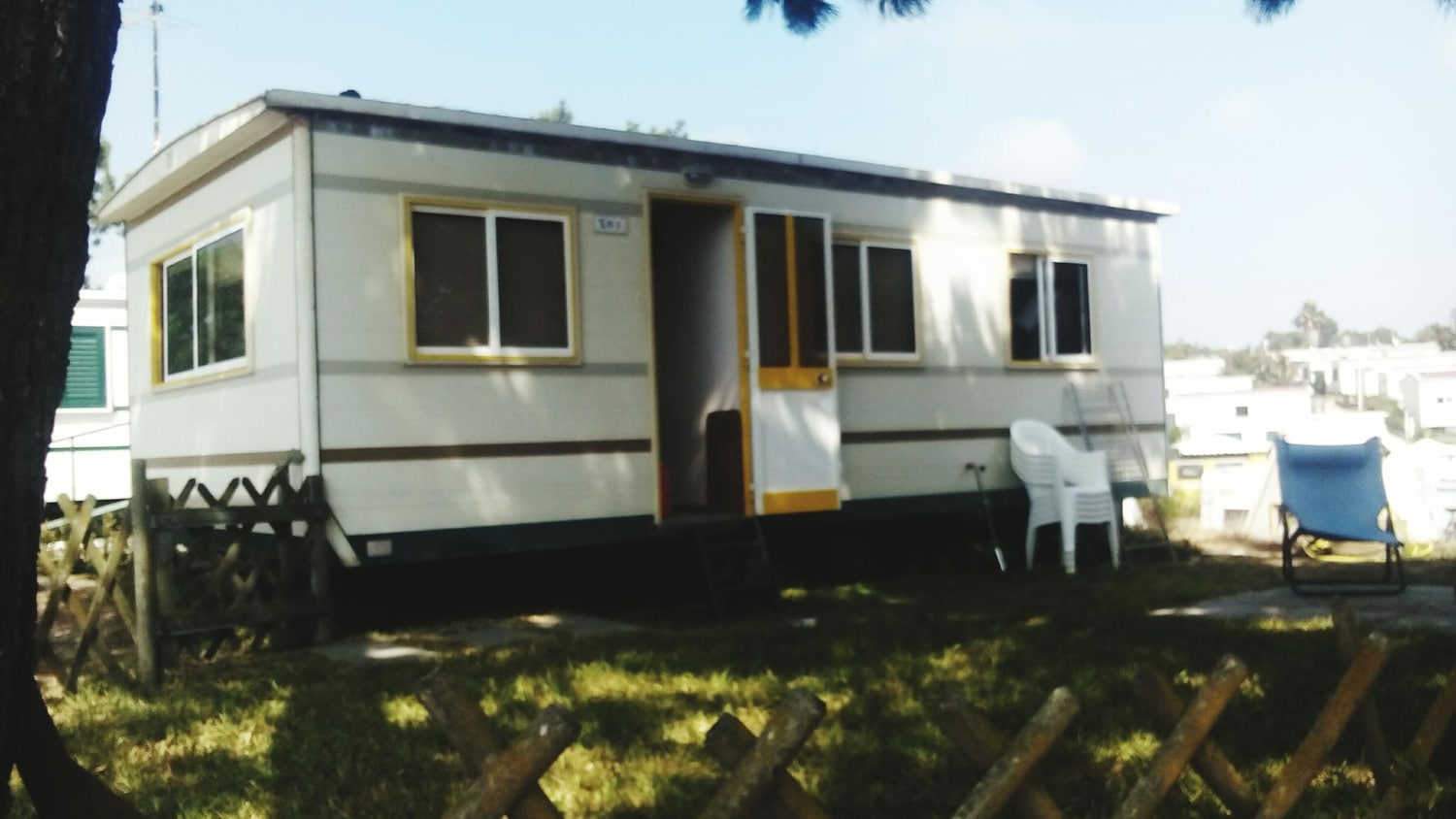
Manufactured homes are a popular and practical housing option across Florida, especially in communities throughout Fort Myers, Lehigh Acres, and Cape Coral. They offer affordable homeownership with lower upfront costs than traditional site-built homes. But manufactured homes face unique risks that require specific insurance coverage, and skipping the right protections can leave you financially exposed.
At Bassine Insurance Agency, we specialize in helping manufactured home owners across Southwest Florida find coverage that addresses their specific needs. Here’s what you need to know about manufactured home insurance in Florida and the coverage you should never go without.

Manufactured homes differ from traditional homes in construction, anchoring systems, and materials. Standard homeowners insurance policies are designed for site-built homes and often don’t cover manufactured or mobile homes. You need a policy specifically designed for manufactured housing.
Having a policy written specifically for manufactured homes ensures that coverage limits, deductibles, and claim handling are appropriate for your type of dwelling.
A comprehensive manufactured home insurance policy in Florida should include several key coverage types.
Each of these coverage types serves a specific purpose, and leaving any of them out creates a gap that could cost you thousands of dollars after a loss.

In Florida, wind coverage is often excluded from standard manufactured home policies or offered as a separate endorsement. Given that Southwest Florida sits squarely in hurricane territory, wind coverage is not optional. It’s essential.
We help manufactured home owners understand their wind coverage options and make sure their deductibles are set at levels they can afford if they need to file a claim.
Just like with traditional homes, flood damage is not covered by standard manufactured home insurance. You need a separate flood insurance policy to protect against rising water damage.
Given Florida’s weather patterns and the elevation profile of most manufactured home communities, we strongly recommend flood insurance for every manufactured home owner in Southwest Florida.

Manufactured home insurance premiums can be managed with some practical steps.
For more information, you may find these resources helpful: FEMA flood insurance information and Florida Building Commission.
It can be, mainly because manufactured homes face higher wind risk. However, the overall cost depends on your home’s age, condition, location, and the coverage you choose. We shop multiple carriers to find the most competitive rates.
Wind damage from hurricanes is covered if you have wind coverage included in your policy or added as an endorsement. Flood damage from storm surge requires a separate flood policy. We make sure both are in place for our manufactured home clients.
If you own the home but rent the lot, you still need your own insurance for the structure and your belongings. The park’s insurance, if any, only covers common areas and the park owner’s liability, not your individual home.
Protecting your manufactured home in Florida starts with having the right insurance. At Bassine Insurance Agency in Fort Myers, we understand the unique risks manufactured home owners face and can build a policy that covers them all. Call us at (239) 995-0333 or request a quote online.

Cape Coral is famous for its canals. With over 400 miles of navigable waterways, it holds the distinction of having more canals than any other city in the world. While those canals are part of what makes living in Cape Coral so appealing, they also mean that flood risk is a reality for a significant number of homeowners. If you own property in Cape Coral, understanding whether you need flood insurance and what it covers is essential to protecting your investment.
At Bassine Insurance Agency, we help Cape Coral homeowners evaluate their flood risk and find the right coverage. Here’s what you should know.

Cape Coral’s geography makes it particularly vulnerable to flooding. The city sits at a low elevation with flat terrain and an extensive canal system that connects directly to the Caloosahatchee River and eventually the Gulf of Mexico. During heavy rain events, tropical storms, and hurricanes, water has limited places to drain, and properties near canals can flood quickly.
Hurricane Ian demonstrated this reality clearly in 2022, when widespread flooding affected thousands of Cape Coral homes. Many homeowners who thought they were safe discovered that their standard homeowners policy didn’t cover a single dollar of flood damage.
No. This is one of the most common and costly misconceptions in insurance. Standard homeowners policies in Florida explicitly exclude flood damage. This means if water enters your home due to rising floodwaters, storm surge, or canal overflow, your homeowners insurance will not pay for the damage.
Flood damage requires a separate flood insurance policy, available through either the NFIP or private flood insurance carriers. Without a dedicated flood policy, you would be responsible for all repair costs out of pocket.
We’ve worked with Cape Coral homeowners who assumed their homeowners policy would protect them during a storm. When they filed a claim for water damage and learned it was classified as flood damage, the denial was devastating. A separate flood insurance policy prevents that outcome.

If your Cape Coral home is in a FEMA-designated Special Flood Hazard Area and you have a mortgage through a federally regulated or insured lender, flood insurance is mandatory. Your lender will require proof of coverage as a condition of your loan.
Even in zone X, about 25% of all NFIP flood claims come from properties outside high-risk zones. Cape Coral’s flat terrain and canal system mean that flooding can affect areas that don’t appear risky on a map.
Flood insurance premiums in Cape Coral vary widely depending on your flood zone, home elevation, construction type, and the coverage limits you choose.
We compare both NFIP and private flood insurance quotes for every Cape Coral client to find the most affordable option that still provides adequate coverage. In some cases, private flood insurance can save homeowners hundreds of dollars per year.

Whether flood insurance is required for your property or not, here’s what we recommend.
For more information, you may find these resources helpful: FEMA FloodSmart.gov and FEMA Flood Map Service Center.
Not all homes are required to carry flood insurance, but given Cape Coral’s canal system and flood history, we recommend it for every homeowner. Even moderate flooding can cause tens of thousands of dollars in damage.
Flood insurance covers damage to your home’s structure and contents caused by rising water. This includes water from rivers, canals, storm surge, heavy rain accumulation, and overflowing drainage systems. It does not cover damage from roof leaks or plumbing failures, which fall under homeowners insurance.
Yes. If you’re purchasing a home and your lender requires flood insurance, coverage can often be arranged before closing. If you’re buying without a mortgage, you can purchase a policy at any time, but remember the waiting period before it takes effect.
Flood insurance is one of the most important protections a Cape Coral homeowner can have. Don’t wait for the next storm to find out whether you’re covered. Call Bassine Insurance Agency at (239) 995-0333 or request a quote online to review your flood insurance options today.