Homeowners insurance hurricane damage Florida — it’s the question that keeps Fort Myers residents up at night every June through November. Hurricane season brings an annual wave of insurance questions from Southwest Florida homeowners, and for good reason. The reality is that “hurricane damage” isn’t a single coverage line on your policy — it’s a patchwork of different policy sections, deductibles, and exclusions. Understanding what your homeowners insurance actually covers before a storm hits is the difference between a smooth claim and a financial disaster.
Wind Damage: What Your Standard Policy Covers

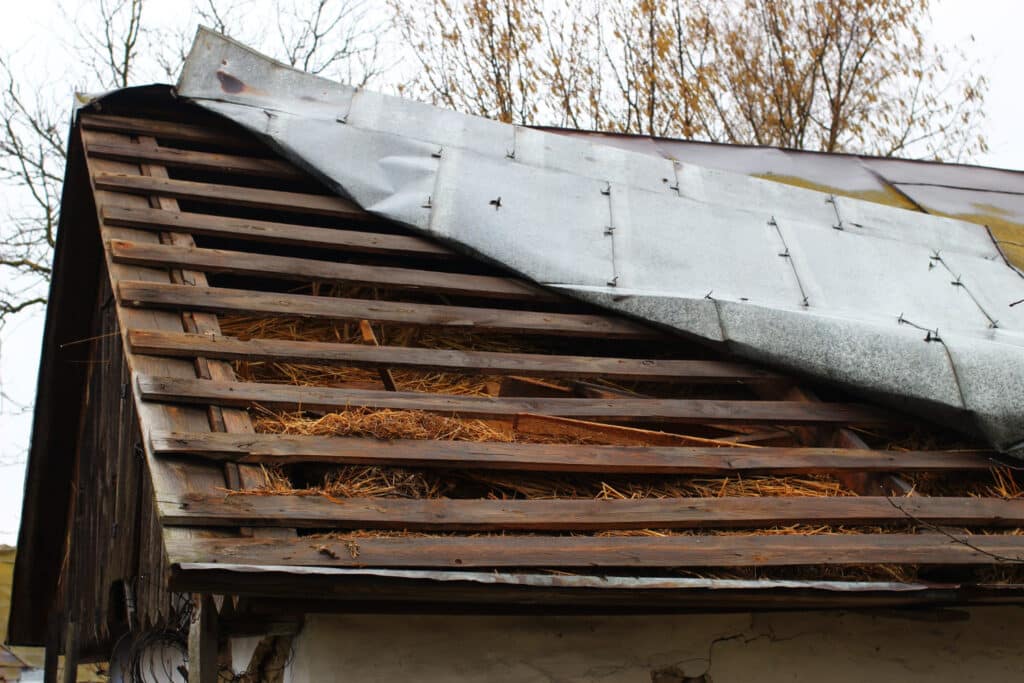
Most Florida homeowner’s policies cover wind damage to the structure, including your roof, walls, windows, and attached structures like screened lanais and garages. This is the core protection that kicks in when a hurricane’s winds tear off shingles, break windows, or collapse a carport. However, the coverage comes with a significant caveat that catches many homeowners off guard.
Your hurricane deductible is separate from your standard all-perils deductible, and it is usually calculated as 2% to 5% of your dwelling coverage amount. That percentage may sound small, but it adds up quickly. On a $400,000 home, a 2% hurricane deductible means you pay the first $8,000 out of pocket before your insurer covers a single dollar. At the 5% level, that out-of-pocket jumps to $20,000.
Wind damage to personal property inside the home is typically covered under your contents coverage section, but it is subject to its own sublimits for categories like electronics, jewelry, and collectibles. After a storm breaks a window and rain soaks your living room, the damage to furniture, flooring, and belongings falls under this portion of your policy — not your dwelling coverage.
Flood Damage: The Gap Most Homeowners Miss
Here is the single most important fact about homeowners insurance and hurricane damage in Florida: standard homeowner’s insurance does NOT cover flood damage. That includes storm surge, which is the number one killer and property destroyer during hurricanes. Hurricane Ian proved this painfully for thousands of Lee County homeowners in 2022 when storm surge pushed six feet of water through neighborhoods in Fort Myers Beach, Sanibel, and south Fort Myers.
Flood insurance must be purchased separately through the National Flood Insurance Program (NFIP) or through a private flood carrier. NFIP policies cap at $250,000 for dwelling coverage and $100,000 for contents, which may not be enough for higher-value homes. Private flood carriers can offer higher limits and sometimes better pricing, but availability varies by location and elevation.
Even homes outside FEMA-designated flood zones can flood during major hurricanes. More than 25% of flood claims nationwide come from properties outside high-risk zones. If you’re in Lee, Charlotte, or Collier County and you don’t have flood insurance, you are gambling with your largest asset. Consider a policy regardless of your zone designation — especially with premiums for low-risk zones starting as low as $400 to $600 per year.
How Hurricane Mitigation Lowers Your Premiums

Florida law requires insurance companies to offer premium discounts for homes with verified wind-resistant features. A wind mitigation inspection documents the protective features of your home that qualify you for these insurance credits, and the savings can be substantial — often hundreds or even thousands of dollars per year.
The features that earn the biggest discounts include hurricane shutters, impact-rated windows, reinforced roof-to-wall connections (clips or straps versus toe-nails), hip-style roof geometry, and secondary water resistance barriers. Each feature is documented on the OIR-B1-1802 wind mitigation form, and your insurer applies credits based on what the inspector verifies.
Insurance companies often offer premium discounts for hurricane-rated protection — Hurricane Shutter Company has been installing storm shutters in Lee County since 1979. Having a professional installation ensures your shutters carry the Florida Product Approval needed for your wind mitigation report, which is what actually generates the insurance credit.
A single wind mitigation report can save $500 to $2,000 annually on your premium depending on your home’s features and your carrier. The inspection itself costs $75 to $150 and takes about 30 minutes — making it one of the highest-return investments you can make as a Florida homeowner.
Filing a Hurricane Damage Claim: Step by Step
When a hurricane damages your home, the steps you take in the first 48 hours significantly impact the outcome of your claim. Start by documenting all damage with photos and video before making any temporary repairs. Walk through every room, photograph the exterior from all angles, and record video narration describing what you see. This documentation is your primary evidence.
Next, make emergency repairs to prevent further damage — and keep every receipt. If a tree punched through your roof, tarping the opening prevents additional water damage and demonstrates that you took reasonable steps to mitigate further loss. Your policy covers these emergency repair costs, so save all receipts and document the work with photos.
File your claim within 48 hours if possible. Florida law requires insurers to acknowledge claims within 14 days and to begin investigation within 45 days. The sooner you file, the sooner the process begins. Contact your agent directly rather than using a general claims line — your agent can advocate for you and expedite the initial filing.
If your claim is complex, involves multiple coverage sections, or if the insurer’s initial settlement offer seems low, consider hiring a licensed public adjuster. Public adjusters work on your behalf (not the insurer’s) and typically charge 10% to 15% of the settlement. For large claims, their expertise often recovers significantly more than their fee.
Review Your Policy Before Hurricane Season
The worst time to read your insurance policy is after a hurricane. Every spring, before the June 1 start of hurricane season, take 30 minutes to review your coverage with your agent. Start by checking your dwelling coverage amount — has your home’s replacement cost increased since your last review? Construction costs in Southwest Florida have risen sharply since 2022, and a policy written three years ago may be significantly underinsured today.
Verify your hurricane deductible percentage and calculate the actual dollar amount you would owe. Many homeowners know they have a “2% deductible” but haven’t done the math on what that means in real dollars. Write that number down so there are no surprises during a claim.
Confirm you have adequate contents coverage and consider scheduling high-value items separately. Standard contents coverage has sublimits that cap payouts for jewelry, electronics, art, and collectibles. If you have items that exceed those sublimits, a scheduled personal property endorsement provides full coverage.
Finally, review your additional living expenses (ALE) coverage. This pays for temporary housing, meals, and other costs if your home becomes uninhabitable after a storm. In a post-hurricane housing market — where rental demand spikes and prices surge — you need enough ALE coverage to sustain your family for weeks or even months.
Frequently Asked Questions
Does homeowners insurance cover hurricane damage to my car?
No. Vehicle damage from a hurricane is covered under the comprehensive portion of your auto insurance policy, not your homeowners insurance. If a tree falls on your car during a storm, file the claim with your auto carrier.
How long do I have to file a hurricane damage claim in Florida?
Under Florida law, you generally have up to two years from the date of loss to file a property insurance claim. However, filing within 48 to 72 hours gives you the best chance of a smooth claims process and faster payout.
Can my insurance company drop me after I file a hurricane claim?
Florida law restricts insurers from non-renewing policies solely because of hurricane claims. However, if you file multiple claims within a short period or if the insurer exits the Florida market entirely, your policy may not be renewed. Talk to your agent about your specific situation.
Need to review your hurricane coverage before the next storm season? The team at Bassine Insurance Agency has been helping Fort Myers homeowners understand their policies and close coverage gaps for years. Call us at (239) 995-0333 for a free policy review — we’ll make sure you’re fully protected before the next hurricane season.