
Renting out a Southwest Florida property? Learn how landlord insurance differs from homeowners coverage and what questions to ask before you rent it out.
Continue reading
Renting out a Southwest Florida property? Learn how landlord insurance differs from homeowners coverage and what questions to ask before you rent it out.
Continue reading
What is umbrella insurance and how does it work with your home, auto, or boat policy? Questions Southwest Florida households should ask before adding coverage.
Continue reading
Compare agreed value boat insurance, partial-repair terms, equipment records, and deductibles before choosing coverage for your Southwest Florida boat.
Continue reading
Review loss of use coverage, temporary housing, expense records, and policy limits before a covered loss disrupts your Southwest Florida household.
Continue reading
Review practical uninsured motorist coverage questions for Florida drivers, including limits, stacking, policy forms, and when to speak with a licensed agent.
Continue reading
Review roof records, condition details, and inspection questions that may come up when discussing Florida manufactured home insurance with a licensed agent.
Continue reading
If you own a home anywhere in Southwest Florida, your Florida hurricane deductible is one of the most important numbers in your policy, and it is often the least understood. It is not a flat dollar amount like the deductible on your car insurance. Instead, it is usually a percentage of your home’s coverage, and it only applies to a specific kind of storm. As an independent agency serving Fort Myers and the surrounding SWFL communities, we walk homeowners through this before every storm season so there are no surprises when a claim is filed.
Below, we explain how these deductibles actually work, how they differ from your everyday deductible, why flood is handled separately, and what you should confirm on your own policy before the next named storm forms in the Gulf.
A Florida hurricane deductible is the portion of a covered wind loss you pay out of pocket before your insurer pays the rest, but specifically for damage tied to a hurricane. Florida law requires most homeowners policies to include a separate hurricane deductible, and it is almost always expressed as a percentage of your dwelling coverage, known on your policy as Coverage A.
Common percentage options you will see include:
Here is why the percentage matters so much. If your home is insured for 400,000 dollars on Coverage A and you have a 2 percent hurricane deductible, your out-of-pocket share on a hurricane claim would be 8,000 dollars. At 5 percent it would be 20,000 dollars, and at 10 percent it would be 40,000 dollars. The dollar figure moves with your dwelling coverage, so a higher rebuild value means a higher deductible even at the same percentage. Many Florida policies also offer a fixed-dollar hurricane deductible option, such as 500 dollars, in place of a percentage, though availability varies by carrier and by the value of the home. Always confirm which structure your specific policy uses.
For current consumer guidance on when the deductible applies and the options Florida insurers must offer, review the Florida Department of Financial Services hurricane deductible guide.

Most policies actually carry two separate deductibles, and knowing which one applies to a given claim is critical.
Your standard deductible, often called the all-other-perils or AOP deductible, applies to non-hurricane claims: a kitchen fire, a burst pipe, theft, or a tree limb that falls on a calm day. This is usually a flat dollar amount, commonly 1,000 dollars or 2,500 dollars, and it does not change with your dwelling coverage.
The hurricane deductible replaces the AOP deductible only when the damage results from a hurricane, as defined by your policy and Florida statute. Because it is percentage-based, it is typically much larger than your AOP deductible. A homeowner with a 2,500 dollar AOP deductible could easily face a 10,000 dollar hurricane deductible on the same house. That gap is exactly why we sit down with clients to review both numbers, not just the one on the front page.
A frequent misunderstanding is that any windy day or summer thunderstorm triggers the higher deductible. It does not. In Florida, the hurricane deductible applies only to windstorm losses caused by a hurricane, and the hurricane window is defined by the National Hurricane Center. Generally, the trigger period begins when a hurricane watch or warning is issued for any part of Florida, continues while the storm is classified as a hurricane, and ends 72 hours after the last watch or warning is lifted.
Damage that happens outside that defined window, or from a regular thunderstorm or an isolated tornado not associated with a hurricane, typically falls under your standard AOP deductible instead. The distinction can change what you owe by thousands of dollars, so the timing and classification of the storm genuinely matters.
One piece of good news built into Florida law: the hurricane deductible generally applies on a per-season basis, not per storm. That means if you have already met your hurricane deductible on a covered claim earlier in the calendar year, a second hurricane in that same season should apply only your standard AOP deductible to a new covered loss, provided you kept documentation of the first claim. This per-calendar-year structure can offer meaningful relief in an active season, which is common along the SWFL coast.
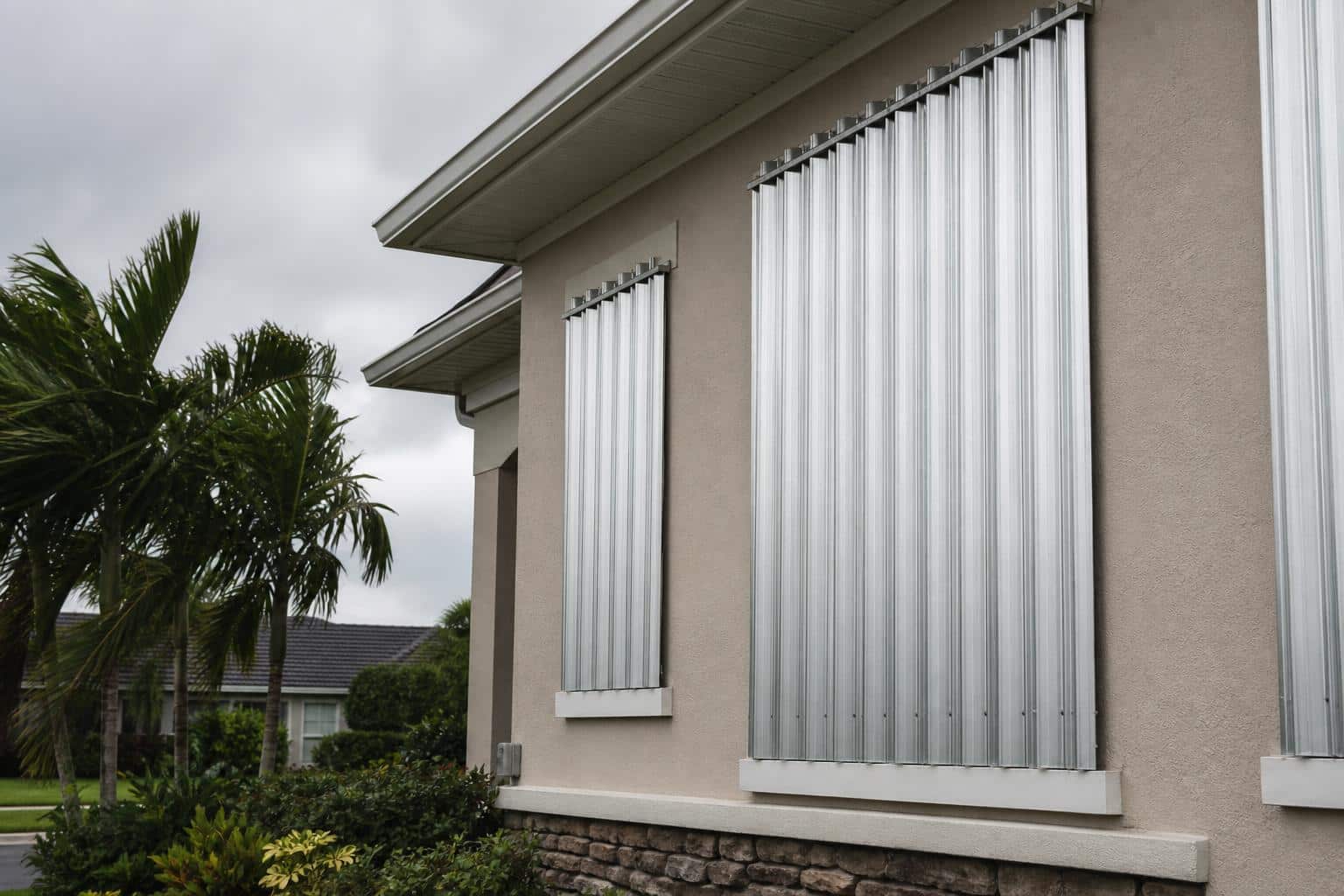
This is where many Fort Myers homeowners are caught off guard after a storm. A standard homeowners policy, and its hurricane deductible, covers wind-driven damage. It does not cover flood. Rising water, storm surge, and water that enters your home from the ground up are excluded from homeowners coverage and require a separate flood policy, whether through the National Flood Insurance Program or a private flood carrier.
During a hurricane, wind and water often damage the same home, and the two losses are adjusted under two different policies with two different deductibles. If you only carry homeowners coverage and your loss is determined to be flood-related, that portion may not be covered at all. Given how much of Southwest Florida sits in or near flood-prone zones, we strongly encourage homeowners to review their flood insurance options well before a storm is on the forecast, because most flood policies carry a waiting period before they take effect.
Because these details vary by carrier and by policy, the smartest move is to verify your own numbers before the season is underway. When we review a policy with a client, we look at:
Choosing a lower percentage lowers what you would owe after a hurricane but usually raises your premium. A higher percentage does the opposite. The right balance depends on your budget, your home’s value, and how much cash you could comfortably put toward repairs. If you own a manufactured or mobile home, the coverage structure and deductible rules can differ further, and we cover those distinctions on our mobile home insurance page.
Insurance rules and carrier programs in Florida change often, so treat this article as general education rather than a guarantee of what your policy provides. Always confirm the current rules and the specific terms in your own policy documents, or ask us to review them with you.
It is usually calculated as a percentage of your dwelling coverage, or Coverage A, most commonly 2, 5, or 10 percent. If your home is insured for 400,000 dollars and you carry a 2 percent hurricane deductible, your out-of-pocket share on a covered hurricane claim would be 8,000 dollars. Some policies offer a fixed-dollar option instead, so confirm which structure applies to your policy.
No. It applies only to windstorm damage caused by a hurricane during the window defined by the National Hurricane Center, which generally runs from when a watch or warning is issued until 72 hours after the last one is lifted. Regular thunderstorms and non-hurricane wind events typically fall under your standard all-other-perils deductible instead.
Usually not for the full amount. Florida generally applies the hurricane deductible on a per-calendar-year basis, so once you have met it on a covered claim, a later hurricane in the same season typically applies only your standard AOP deductible to a new covered loss. Keep your claim documentation to support this.
No. Homeowners coverage handles wind-driven damage, not flood. Rising water and storm surge require a separate flood policy through the NFIP or a private carrier, and those policies often have a waiting period before they take effect, so it is best to arrange coverage well before a storm approaches.
Sometimes. Depending on your carrier and home value, you may be able to choose a lower percentage or a fixed-dollar option, which reduces what you owe after a hurricane but generally raises your premium. We can walk you through the trade-offs so the choice fits both your budget and the amount you could realistically pay out of pocket.
See our insurance inquiry data for more questions Southwest Florida households bring to our agency.
Understanding your hurricane deductible before the season starts is one of the simplest ways to protect your finances and avoid a stressful surprise after a storm. If you would like us to review your current policy, explain your specific deductible, or compare options across carriers, request a quote and our SWFL team will help you make sure your coverage matches your home and your peace of mind.

If a serious accident ever led to a claim that exceeded the limits on your auto or home policy, what would happen to the assets you have worked so hard to build? That is the question personal umbrella insurance is designed to answer. As an independent insurance agency serving Fort Myers and the wider Southwest Florida community, we talk with families every week who are surprised to learn how quickly a single lawsuit or at-fault accident can climb past standard liability limits. In this guide we walk through what a personal umbrella policy actually covers, who tends to benefit most, and how to decide whether adding this layer of protection makes sense for your household.
A personal umbrella policy is extra liability coverage that sits on top of the liability limits already built into your auto, homeowners, boat, or other underlying policies. When a covered claim exhausts the liability limit on one of those base policies, the umbrella policy can extend beyond it, picking up additional covered costs up to the umbrella limit you select. Think of it as a second layer of protection that only comes into play when a large claim outgrows your primary coverage.
Umbrella coverage generally responds to bodily injury and property damage you are found legally responsible for, along with certain personal liability situations such as libel, slander, or defamation claims that many standard policies handle only in limited ways. It is important to understand what an umbrella policy is not: it does not cover damage to your own property, your own injuries, or business-related liability that belongs on a commercial policy. It is liability protection for the harm you might unintentionally cause others, layered above what you already carry.
For a regulator-focused overview of the coverage and common exclusions, review the National Association of Insurance Commissioners’ consumer guide to umbrella policies.
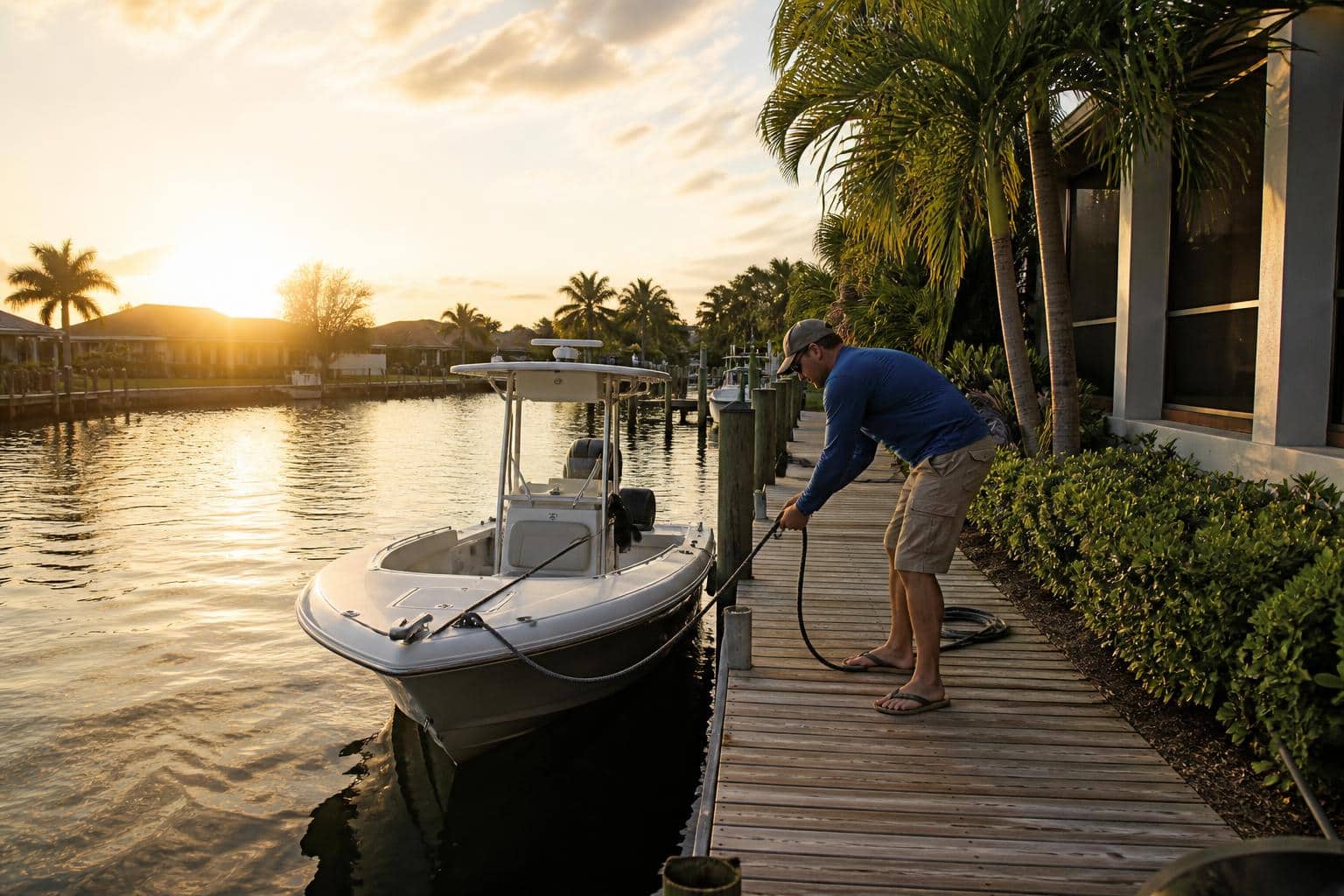
The exact terms always depend on the carrier and the specific policy you choose, but most personal umbrella policies are built to extend your existing liability protection in situations like these:
Because coverage details, exclusions, and required underlying limits vary from one insurer to the next, it is always worth confirming the specifics with your agent before you assume a particular scenario is covered.
There is no one-size-fits-all answer, but personal umbrella insurance tends to make the most sense when you have assets to protect or lifestyle factors that raise your liability exposure. In our experience working with Southwest Florida households, the people who benefit most often include:
Owning a home means you have equity and property that could be exposed if a large liability judgment landed against you. An umbrella policy helps shield those assets rather than leaving them on the table.
Southwest Florida is boating country. If you spend weekends on the Gulf, the intracoastal, or area rivers and lakes, the odds of an on-the-water incident are higher than for the average household, and the potential injuries can be serious.
Renting out a property, including a seasonal or vacation rental, adds tenants and guests to your liability picture. Extra liability coverage can be an important safeguard.
New drivers carry statistically higher accident risk. Adding a teen to your auto policy is a common moment when families reconsider whether their liability limits are high enough.
The more you have accumulated in savings, investments, and property, the more a large lawsuit could put at risk. Umbrella limits of one million dollars or more are a common way to align your protection with your net worth.
If several of these describe your situation, it is a strong signal that a conversation about umbrella coverage is worthwhile. Even if only one applies, it can still be a smart, low-cost way to add peace of mind.

Personal umbrella policies are commonly written in increments starting at one million dollars of additional liability coverage, with higher limits available if your assets or exposure call for it. A useful rule of thumb many agents suggest is to carry enough total liability coverage to at least match your net worth, since that is roughly what you would be trying to protect in a worst-case claim.
One of the reasons we bring umbrella coverage up so often is that it tends to be affordable relative to the protection it provides. Because the umbrella only pays after your underlying policies are exhausted, the cost of adding a million dollars of extra liability coverage is frequently much lower per dollar of protection than the base policies beneath it. We will never quote a made-up number, because your actual premium depends on the carrier, your underlying policies, your household details, and the limit you choose. The best way to see real figures is to let us gather your information and shop eligible carriers on your behalf.
To qualify for an umbrella policy, most carriers require you to carry certain minimum liability limits on your underlying auto and home policies first. Part of our job as an independent agency is making sure those base layers are set correctly so your umbrella sits on a solid foundation.
Because we are independent, we are not tied to a single insurance company. That means we can compare personal umbrella insurance options across multiple carriers and help match you with coverage that fits your household and your budget, rather than fitting you into one company’s product. When you work with our team, we take the time to:
You can learn more about the people who will be helping you on our team page, and when you are ready, we make it easy to get started with a personalized review of your coverage.
Getting a personal umbrella quote does not have to be complicated. The simplest path is to request a quote and let us know a little about your household, your property, and any boats or extra drivers in the picture. If you would like us to review your auto coverage at the same time, which is often the natural place an umbrella conversation begins, you can also start with our auto quote request. From there, we handle the shopping and walk you through your options.
Keep in mind that insurance rules, carrier requirements, and coverage availability can change over time, so it is always worth confirming current policy specifics and eligibility with a licensed agent before you make a decision. This article is meant to be educational and is not a guarantee of coverage. Your final terms will always depend on the carrier and the policy you choose.
Your auto and home policies each include liability coverage up to a set limit. A personal umbrella policy adds a second layer of liability protection above those limits, so if a covered claim exceeds what your base policy pays, the umbrella can extend the coverage up to the limit you selected. It does not replace your existing policies; it sits on top of them.
Umbrella policies commonly start at one million dollars in additional coverage, with higher limits available. A widely used guideline is to carry enough total liability coverage to at least match your net worth, since that is what you would generally be protecting. The right amount depends on your assets and your exposure, and we can help you weigh the options.
Umbrella coverage is often affordable relative to how much protection it adds, because it only pays after your underlying policies are exhausted. We do not quote fixed prices in advance because your premium depends on your carrier, your underlying policies, your household details, and the limit you choose. The best way to see accurate numbers is to request a quote.
Yes. Most carriers require you to carry certain minimum liability limits on your underlying auto and home policies before they will issue an umbrella policy. Part of what we do is confirm those base layers are set correctly so your umbrella has a solid foundation to sit on.
Homeowners, boat and watercraft owners, landlords, families with teen drivers, and higher-net-worth households tend to benefit most. If any of these describe you, extra liability protection can be a smart safeguard for the assets you have built.
Every household’s situation is different, and the only way to know whether personal umbrella insurance is the right move for you is to look at your specific coverage and exposure together. Our Fort Myers based team is happy to walk you through it in plain language, with no pressure. When you are ready, request a quote and we will help you find the protection that fits your life in Southwest Florida.

Late August is a sensible time for Lehigh Acres mobile home owners to review insurance documents, storm preparation, and coverage assumptions. The most active part of hurricane season can arrive before a household has gathered policy papers, photos, tie-down records, or flood information.
Continue reading
Flood zone information can affect lender requirements, insurance conversations, and a homeowner’s sense of risk. Port Charlotte owners should not wait for a renewal notice or loan request to ask whether the flood map, elevation details, or policy limits still make sense.
Continue reading