Adding a new driver to the household is one of the most important auto insurance reviews a family can make. A Fort Myers teen may be driving to school, work, sports, or a part-time job, and the policy should reflect who is driving, which vehicle is used, and what limits the household is comfortable carrying.
The review should start before the teen is driving independently. Waiting until the last minute can limit options and leave the family making decisions without understanding how liability, physical damage, deductibles, and discounts fit together.
Use Florida Highway Safety and Motor Vehicles insurance information as a neutral reference point. The policy documents, carrier rules, and written quotes still control the final coverage decision.
Confirm when the teen must be listed
Carrier rules can differ, so families should ask when a learner’s permit driver must be disclosed and when a licensed teen must be listed as an active driver. The answer may depend on household status, vehicle access, custody arrangements, school location, and whether the teen owns a separate vehicle.
Do not assume a teen is automatically covered in every situation just because they live at home. The safest approach is to tell the agency early and ask how the current carrier handles permits, licenses, and household driver disclosures.
Review Florida insurance requirements and real-world exposure
Florida Highway Safety and Motor Vehicles publishes current insurance information for registered vehicles. Minimum requirements are only the starting point. A family adding a teen driver should also discuss bodily injury exposure, property damage risk, uninsured motorist options, and whether an umbrella policy should be reviewed.
Fort Myers driving can include school traffic, tourist traffic, heavy rain, construction, and interstate trips. The policy should be reviewed for the way the teen will actually use the vehicle, not just for the cheapest way to add a name.
Choose the right vehicle assignment
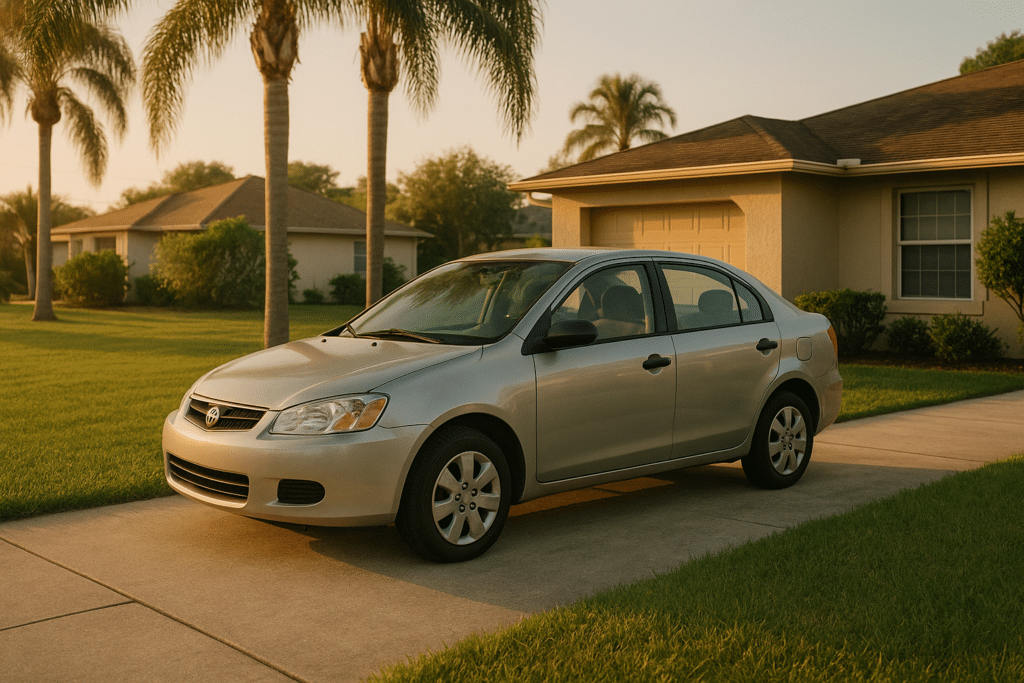
The vehicle a teen drives can make a meaningful difference. A newer vehicle with comprehensive and collision coverage creates a different cost and deductible discussion than an older vehicle without physical damage coverage. Safety features, vehicle value, repair costs, and lender requirements all belong in the review.
Families should also be honest about access. If a teen mostly drives one car but can use several household vehicles, the carrier needs accurate information. Misunderstanding vehicle assignment can create billing surprises or claim questions later.
Ask about discounts without letting them drive the whole decision
Good student discounts, driver training, telematics programs, multi-car discounts, and bundled policies may help lower the premium when available. Each carrier sets its own requirements, so families should ask what documentation is needed and when the discount can be applied.
Discounts are useful, but they should not distract from the coverage review. A teen driver increases the household’s exposure. The liability limits, deductibles, and uninsured motorist choices should still be reviewed carefully.

Set expectations inside the household
Insurance is only one part of the teen-driver conversation. Families can reduce confusion by deciding who pays deductibles, whether friends are allowed in the car, when the teen can drive, and how tickets or accidents will be handled. Those expectations can make future decisions less emotional.
A written household driving plan may also help the coverage review. If the teen is away at school, rarely drives, or will not have regular access to a vehicle, tell the agency so the carrier can classify the situation correctly.
Teen-driver review checklist
A useful review should connect the quote to the actual drivers, vehicles, and timing. For Bassine Insurance clients, that usually means pairing the auto insurance conversation with local details from Fort Myers and a clear next step through the quote request process.
- Tell the agency when the teen receives a permit and again when licensed.
- Confirm which vehicles the teen can access and which one is driven most often.
- Review liability limits, uninsured motorist options, and physical damage coverage.
- Ask about good student, driver training, telematics, multi-car, and bundle discounts.
- Check deductibles and decide how the household would handle a claim.
- Update the policy when the teen moves, changes schools, or gets a separate vehicle.
Questions to ask before binding coverage
The quote stage is the right time to ask plain-language questions. Ask what is covered, what is excluded, what documentation is still needed, how deductibles apply, and what would change the premium after binding. If a quote relies on an inspection, application answer, or carrier approval, keep that condition visible until the policy is issued.
It is also worth asking how claims would be reported and what records should be saved now. Photos, receipts, inspection forms, lender letters, lease requirements, and policy pages are easier to organize before a loss than after one.
How to keep the review organized
Keep the current auto insurance policy, renewal offer, competing quotes, payment options, and open questions in one folder. A Fort Myers insurance review is easier when the decision is based on the same set of documents instead of scattered emails, screenshots, and partial quote summaries.
Compare each option by effective date, premium, deductible, major limits, exclusions, endorsements, and underwriting conditions. If one quote is still subject to inspection, document review, a motor vehicle report, or carrier approval, treat it as conditional until the carrier confirms the policy.
Make a short note beside every tradeoff. A higher deductible may be acceptable when the savings are clear and the household has cash available after a loss. A lower limit may not be acceptable when the uncovered exposure would create a larger problem than the premium savings justify.
Driver and vehicle details should be updated before the final choice is made. A newly licensed teen, a change of address, added or removed vehicles, a different primary car, garaging or mileage changes, or a teen moving to a separate policy can all change how an application should be answered.
After binding coverage, save the issued policy and compare it with the quote. The declarations page should match the selected limits, deductibles, named insureds, the listed vehicles, any lienholder or lessor, and effective date. Any mismatch should be corrected quickly.
Finally, set a reminder for the next review. Insurance needs can change after a move, a newly licensed driver, a vehicle change, a new commute, or a new family obligation. A yearly review keeps the policy closer to real life.
FAQ
Does a teen with a learner's permit need to be added to auto insurance?
Carrier rules vary. Contact the agency as soon as the permit is issued so the carrier's disclosure and rating rules can be followed.
Will adding a teen driver raise the premium?
It often does because new drivers create more exposure, but the final premium depends on the carrier, vehicles, discounts, limits, and household details.
Should a teen have a separate policy?
Sometimes, but many families add the teen to a household policy. Ownership, residence, vehicle access, and carrier rules should be reviewed first.
When comparing options, keep notes from each auto insurance quote in one document. Include carrier name, premium, deductibles, major limits, effective date, payment terms, and any open underwriting conditions. That small habit makes the final choice easier to defend and easier to revisit at the next renewal.
For Fort Myers households, the timing of a review can be just as important as the quote itself. Starting early leaves room for corrected applications, missing documents, updated inspections, lender questions, and a second look at coverage terms before a payment is made.
Local insurance review with Bassine Insurance
Bassine Insurance can help Fort Myers families compare the cost and coverage tradeoffs before a teen starts driving independently.