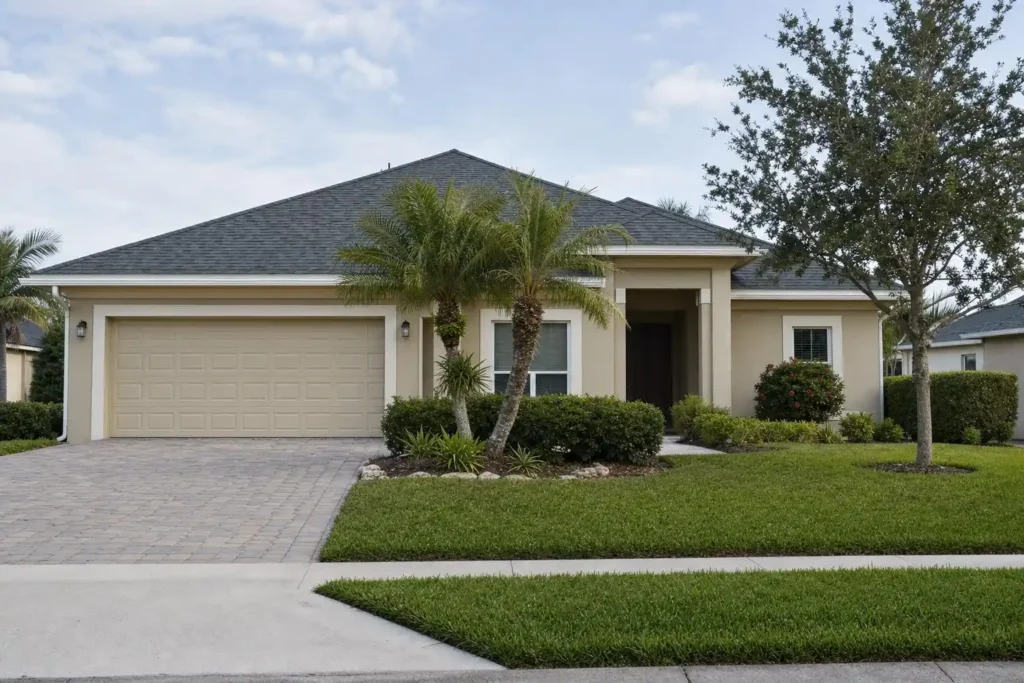
Actual cash value and replacement cost are two different ways an insurance policy may value covered property after a loss. The choice can affect how much of a covered repair or replacement expense you ultimately pay yourself. For Fort Myers homeowners and households across Southwest Florida, where roofs, exterior materials, appliances, and household belongings may all face storm-related wear or damage, the distinction is worth reviewing before a claim happens.
Neither term tells you whether a particular cause of loss is covered. The policy must first respond to the event, and deductibles, limits, exclusions, and settlement conditions still apply. Actual cash value and replacement cost describe the valuation method used for covered property; they do not turn an excluded loss into a covered one.
Actual Cash Value vs Replacement Cost: The Basic Difference
Replacement cost generally looks at the reasonable cost to repair or replace covered property with materials or items of like kind and quality, subject to the policy terms and limits. Actual cash value generally accounts for depreciation, so age, condition, useful life, and obsolescence may reduce the settlement amount. The exact calculation can vary by policy and claim, which is why the definitions in your own contract matter more than a generic example.
Imagine that a covered event damages an older household appliance. A replacement cost provision may base the covered value on a comparable new appliance, while an actual cash value provision may subtract depreciation from that amount. The same basic distinction can arise with furniture, roofing materials, flooring, or other covered property. Your deductible and policy limit would still apply in either case.
Bassine’s home insurance service page is a practical place to start a policy review. The Florida Department of Financial Services homeowners overview explains the main parts of a homeowners policy and encourages consumers to understand what their contract covers. Use that overview as general education, then compare its concepts with the declarations, endorsements, and definitions in your own policy.
Dwelling and Personal Property May Be Valued Differently
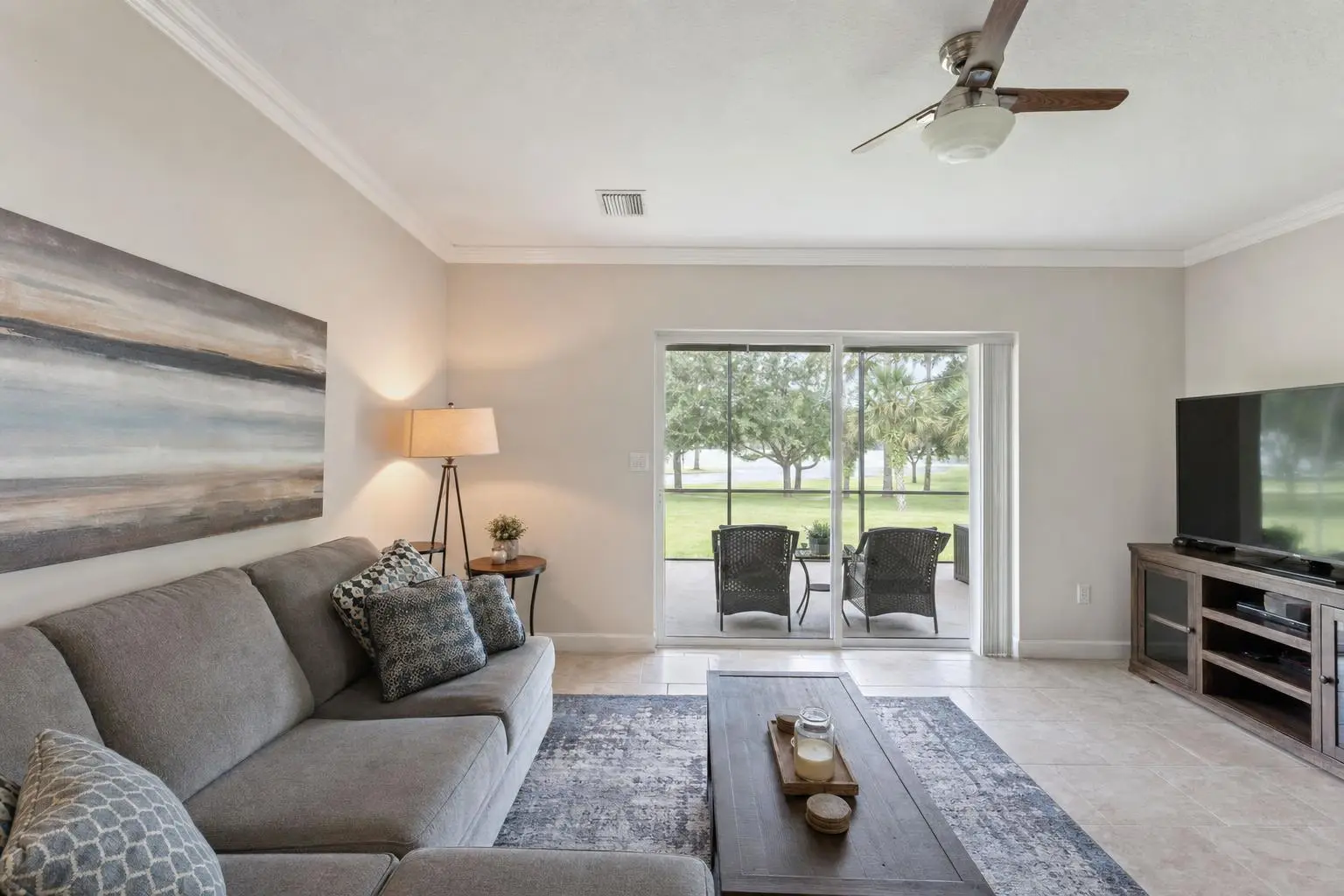
A policy may use replacement cost for the dwelling while using actual cash value for some personal property, or it may offer an endorsement that changes how belongings are valued. Do not assume that one phrase on the declarations page applies identically to every category of property. Review the dwelling, other structures, and personal property sections separately.
Special limits may apply to categories such as jewelry, collectibles, certain electronics, watercraft, money, or business property kept at home. Replacement cost wording does not automatically remove those sublimits. If an item has unusual value, ask whether it needs separate scheduling, an appraisal, or another form of documentation.
Roof settlement can also have its own wording. Some policies or endorsements may apply a roof payment schedule or actual cash value based on roof age and material, even when other parts of the home are settled differently. In Florida, that detail can materially change the amount available after covered roof damage. Ask specifically how the roof is valued instead of relying only on the general dwelling coverage label.
Why Depreciation Changes the First Payment
With actual cash value, depreciation is usually reflected in the covered settlement calculation. With replacement cost coverage, a carrier may initially pay an amount reflecting actual cash value and then release eligible recoverable depreciation after repairs or replacement are completed and documented. The timing and documentation requirements depend on the contract and the claim.
This two-step process can create a cash-flow issue. A homeowner may need to sign a repair contract or purchase replacement items before all eligible funds are released. Ask in advance what invoices, receipts, photographs, and completion records would be required. Also ask whether the policy sets a deadline for completing repairs or claiming recoverable depreciation.
Replacement cost coverage is still limited. It does not promise to pay any price a contractor quotes, upgrade the property without a covered reason, or exceed the applicable policy limit. Materials are generally evaluated on a like-kind-and-quality basis, and the carrier may review scope, labor, local pricing, and whether a repair is reasonably possible.
Policy Limits and Rebuilding Costs Need Regular Review
Your dwelling limit is not the same thing as the home’s market price. Market value includes land and location, while a dwelling coverage estimate focuses on construction costs and the characteristics of the structure. Labor, material prices, debris removal, contractor demand, and code requirements can change over time, particularly after a widespread Florida storm.
Review the estimate after a substantial renovation, room addition, roof replacement, kitchen upgrade, or other change that affects rebuilding cost. Tell the agency about the change rather than waiting for renewal data to catch up. An outdated estimate can leave a gap even when the policy uses replacement cost language.
Some policies include an extended replacement cost provision or another cushion above the stated dwelling limit, subject to specific conditions. Do not assume that provision exists or that it is unlimited. Ask for the percentage, eligibility rules, and any reporting duties in writing.
A Home Inventory Helps With Either Valuation Method
A room-by-room inventory can help establish what you owned, its approximate age, model, and condition. Photograph rooms, open closets and cabinets, and retain receipts or serial numbers for higher-value items when practical. Store a copy somewhere other than the insured home so it remains available after a serious loss.
Keep the inventory current when you purchase major appliances, electronics, furniture, or equipment. Documentation cannot guarantee coverage, but it can make the claim conversation more specific and reduce the need to reconstruct a long list from memory.
For older items, note upgrades or replacements that may affect age and condition. If the policy settles personal property at actual cash value, those details may matter to the depreciation analysis. If it provides replacement cost, receipts may help show what comparable replacement was actually purchased.
Questions to Ask During a Home Insurance Review
Start by asking which parts of the policy use replacement cost and which use actual cash value. Ask separately about the dwelling, roof, detached structures, and personal belongings. If the answer refers to an endorsement, request the endorsement name and read its conditions.
Next, ask how depreciation is calculated and whether any portion can be recovered after repair or replacement. Confirm the deadline and proof requirements. Ask whether there are percentage deductibles, special hurricane deductibles, sublimits, or settlement schedules that would affect the amount you receive.
Finally, compare the dwelling limit with the home’s current construction characteristics. Share recent renovations and verify that square footage, roof material, exterior construction, number of stories, and attached features are described accurately. A valuation method works only within the limits and facts used by the policy.
Frequently Asked Questions About Actual Cash Value and Replacement Cost
Is replacement cost always better than actual cash value?
Replacement cost can reduce the effect of depreciation on a covered loss, but price, availability, eligibility, deductibles, limits, and settlement conditions all matter. The better fit depends on the property and the policy options actually available to you.
Does replacement cost mean my insurer will pay the full cost of any upgrade?
No. Coverage generally concerns like-kind-and-quality repair or replacement, subject to limits and policy terms. Voluntary upgrades and amounts above the applicable limit may remain your responsibility.
Can my roof be actual cash value while the rest of my home uses replacement cost?
Yes, a roof endorsement or settlement schedule may value the roof differently from other dwelling property. Review the roof-specific wording and ask how age and material affect settlement.
What is recoverable depreciation?
It is the portion of depreciation that may become payable under replacement cost terms after you complete eligible repair or replacement and provide the required documentation. Not every policy or item qualifies, and deadlines may apply.
To compare how your current policy values the dwelling, roof, and belongings, contact Bassine Insurance Agency or call (239) 995-0333 and request a home insurance review. Bassine serves Fort Myers, North Fort Myers, Cape Coral, Naples, Bonita Springs, Lehigh Acres, and Port Charlotte. Coverage, valuation, eligibility, limits, and claim payment depend on the policy issued and the facts of a covered loss.