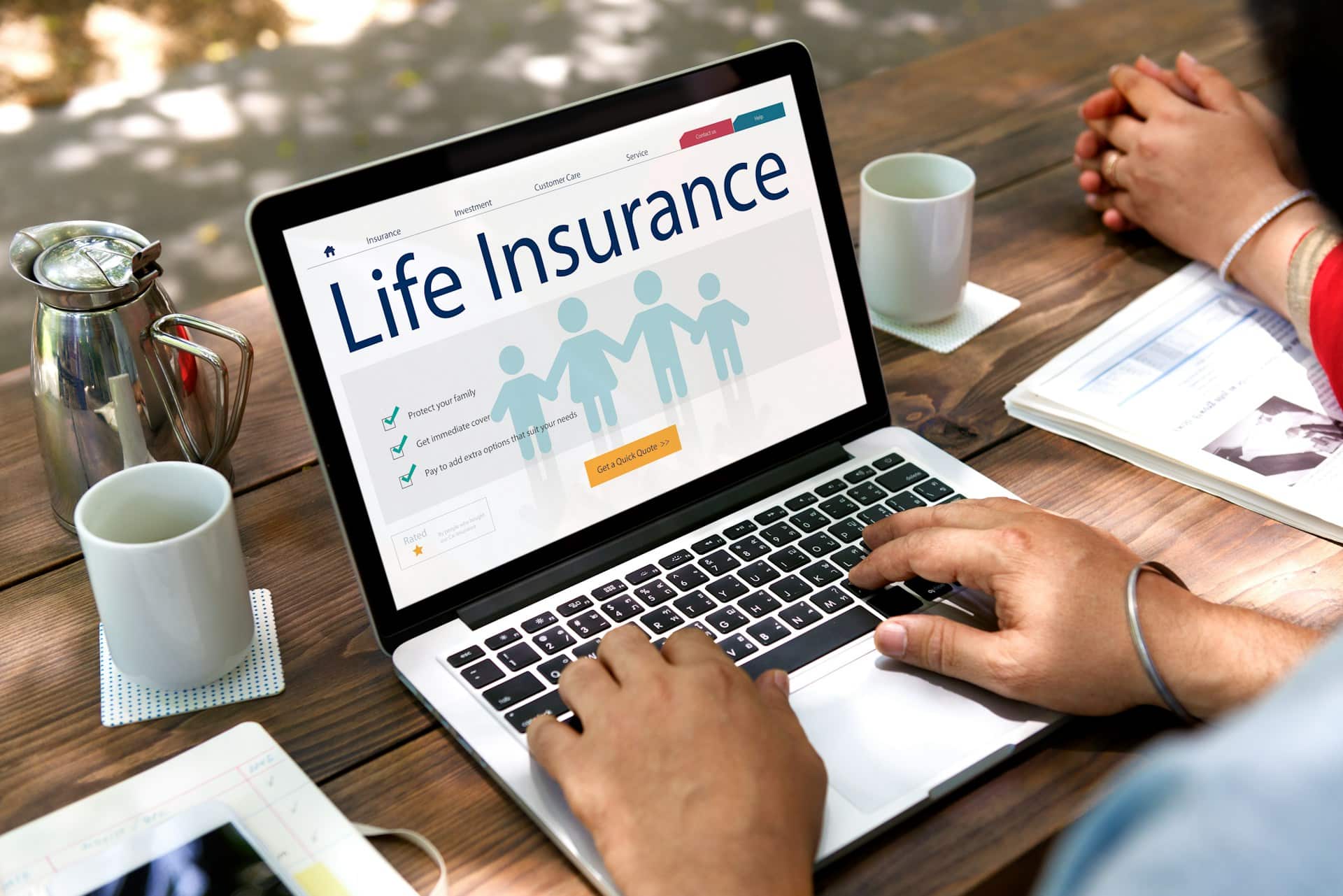
Homeowners Insurance Basics 2024

homeowners insurance

Owning a home is a significant milestone and a big responsibility. One crucial aspect of homeownership is having the right insurance to protect your property and loved ones. Homeowners insurance is essential because it offers financial protection in case of unexpected events like natural disasters, theft, or accidents. Understanding the basics of homeowners insurance can help you make informed choices and ensure you’re adequately covered.

Homeowners insurance isn’t just about safeguarding your physical house. It also includes protecting your personal belongings, providing liability coverage if someone gets injured on your property, and covering additional living expenses if you need to temporarily move out due to damage. Knowing what your policy covers can save you from unpleasant surprises when you need to file a claim.

Getting the right homeowners insurance involves more than just picking a policy and paying the premiums. You need to consider various factors that can affect your coverage and costs. From the location of your home to its age and condition, multiple elements can influence what you pay for insurance. By understanding these factors, you can take steps to lower your premiums and get the best value for your money.

In this article, we will explore the key aspects of homeowners insurance, including what it covers, what affects your premiums, and how to choose the right policy for your needs. By the end, you’ll have a clearer picture of how to protect your home and family effectively.

Understanding Homeowners Insurance

home insurance

Homeowners insurance is a policy that provides financial protection to homeowners against various risks. These risks can include damage to the house, theft, and liability for accidents that happen on the property. The main goal of homeowners insurance is to help you recover from these events without experiencing severe financial hardship.

A typical homeowners insurance policy has several components. The first component covers the physical structure of your home, like walls, roof, and foundation. This helps pay for repairs or rebuilding if your house is damaged by covered events such as fire, hail, or vandalism. Besides covering the house itself, homeowners insurance also usually includes coverage for other structures on the property, such as garages or sheds.

Another important part of homeowners insurance is personal property coverage. This helps replace your belongings, such as furniture, electronics, and clothing, if they are stolen or damaged. Liability protection is another vital aspect. It covers you if someone gets hurt on your property and decides to sue you. This could include legal fees and medical costs. Each of these components works together to provide comprehensive protection for both your home and your family.

Key Coverage Areas of Homeowners Insurance

mobile home park insurance

Homeowners insurance policies can vary, but they generally cover several key areas. Understanding these coverage areas can help you see what your policy protects and where you might need more coverage.

  • Dwelling Coverage: This is the part of your policy that covers the physical structure of your home. It helps repair or rebuild your house if it’s damaged by a covered event like a fire or storm.
  • Other Structures Coverage: This covers structures on your property that are not attached to your house. Examples include fences, detached garages, and sheds.
  • Personal Property Coverage: This part of your policy covers your personal belongings, such as furniture, electronics, and clothing. If these items are stolen or damaged, this coverage helps pay to replace them.
  • Liability Protection: This provides coverage if someone gets injured on your property and sues you. It can help cover legal costs and medical expenses.
  • Additional Living Expenses (ALE): If your home is damaged and you need to live elsewhere while it is being repaired, ALE helps cover the extra costs. This can include hotel bills, restaurant meals, and other living expenses.
  • Medical Payments Coverage: This covers medical expenses for minor injuries that guests might suffer while on your property, regardless of who is at fault.

Knowing these key coverage areas helps ensure you have adequate protection for your home and belongings. Reviewing your policy and understanding each coverage area can make a significant difference if you ever need to file a claim.

Factors That Influence Your Homeowners Insurance Premium

Several factors can influence what you pay for homeowners insurance. Understanding these factors can help you find ways to potentially lower your premium.

  • Location: Where you live plays a big role in determining your premium. Houses in areas prone to natural disasters like hurricanes or earthquakes may have higher premiums. Crime rates in your neighborhood can also affect your costs.
  • House Age and Condition: Older homes or homes in poor condition can cost more to insure. This is because they may be at higher risk for issues like plumbing or electrical problems. Keeping your home well-maintained can help reduce your premium.
  • Home Features: Features like swimming pools, trampolines, and even certain dog breeds can increase your premium. These additions might be seen as higher risk for accidents or injuries.
  • Coverage Amount: The amount of coverage you choose affects your premium. Higher coverage limits mean higher monthly or annual premiums. However, having adequate coverage is crucial to protect your investment.
  • Deductible Amount: Choosing a higher deductible can lower your premium. But remember, this means you will pay more out-of-pocket if you file a claim.
  • Credit Score: Some insurance companies use your credit score to determine your premium. A higher credit score can lead to lower rates. Paying bills on time and managing debt can positively impact your premiums.

Being aware of these factors can help you take steps to lower your homeowners insurance costs without sacrificing necessary coverage.

Tips for Selecting the Right Homeowners Insurance Policy

Choosing the right homeowners insurance policy is vital to protect your home and family. Here are some tips to help you make the best decision:

  • Assess Your Needs: Start by evaluating what coverage you need. Consider your home’s value, personal belongings, and potential risks. This will help you understand what type of policy will best suit your needs.
  • Compare Policies: Don’t settle for the first policy you find. Get quotes from multiple insurance companies and compare them. Look at both the coverage provided and the premium costs. Make sure to read the fine print to understand what is and isn’t covered.
  • Check Insurer’s Reputation: Research insurance companies to find out about their reputation. Look for customer reviews and ratings to see how they handle claims and customer service. A reliable company can make a big difference when you need them most.
  • Understand the Coverage: Make sure you fully understand what each policy covers. Some things might be excluded, or there might be limits on certain types of coverage. Ask questions if anything is unclear.
  • Consider Additional Coverage: Depending on where you live, you might need extra coverage, like flood or earthquake insurance. Standard policies often don’t cover these events, so consider adding them if needed.
  • Review Annually: Your insurance needs might change over time. Review your policy every year and adjust it if necessary. This can help ensure you always have the right amount of coverage.

Following these tips can help you select the best homeowners insurance policy for your needs and give you peace of mind knowing your home is well-protected.

Conclusion

Understanding homeowners insurance is essential for protecting your home and family. From knowing the basics and key coverage areas to recognizing the factors that influence your premium and selecting the right policy, being informed makes a significant difference. Taking these steps will help you get the best coverage for your needs and ensure you’re prepared for any unexpected events that might arise.

Reviewing your insurance needs regularly and adjusting your coverage as needed helps keep your protection up to date. Being proactive in understanding and managing your insurance allows you to safeguard your biggest investment—your home.

For more detailed advice and assistance with homeowners insurance in Fort Myers, contact Bassine Insurance. Our knowledgeable team is ready to help you find the best policy to protect your home and family. Contact Bassine Insurance today to get started on securing your peace of mind.

Helpful Resources

Frequently Asked Questions

How can I save on homeowners insurance in Fort Myers?

Save by installing hurricane shutters or impact windows, raising your deductible, bundling with auto insurance, and getting a wind mitigation inspection. Call (239) 995-0333 for the best rates.

Is homeowners insurance required in Florida?

Florida law does not require it, but your mortgage lender will. Protecting your home with insurance is highly recommended in hurricane-prone Southwest Florida.

What is a wind mitigation inspection?

A wind mitigation inspection evaluates your home’s ability to withstand hurricanes. Qualifying features like hurricane shutters, hip roofs, and reinforced roof decking can earn significant insurance discounts.

Get a Free Insurance Quote Today

Bassine Insurance Agency has been protecting Fort Myers families for over 30 years. Call (239) 995-0333 or request a free quote online.


Small Business Insurance: Essential Coverage Tips

small business

Running a small business comes with risks, from unpredictable accidents to natural disasters. Having the right insurance can protect your business from financial losses and help you recover faster. Understanding small business insurance and choosing the right coverage are crucial steps in safeguarding your livelihood.

Small business insurance may seem complicated, with many terms and types of coverage to consider. Knowing the basics can make the process easier. For instance, policies for property damage, liability, and employee injuries are some of the essential protections you might need. Each type of coverage serves a specific purpose, helping to cover different aspects of your business operations.

Choosing the right insurance involves more than just picking policies. You have to consider factors like the size of your business, the industry you operate in, and the specific risks you face. Making informed decisions about insurance coverage can save you money and stress in the long run.

This article will help you navigate the world of small business insurance by explaining essential terms, discussing types of coverage, highlighting important factors, and offering tips on managing costs. This guidance can help you ensure your small business is well-protected in 2024 and beyond.

Understanding Small Business Insurance Terms

small business

Understanding insurance terms can help you make better decisions for your small business. Here are some key terms to know:

1. Premium: This is the amount you pay regularly (usually monthly or annually) to keep your insurance policy active. It can vary based on the type and amount of coverage you choose.

2. Deductible: This is the amount you pay out-of-pocket before your insurance starts to cover a claim. Higher deductibles usually lead to lower premiums but mean more upfront cost if a claim occurs.

3. Liability: Liability coverage protects you if your business is responsible for injury or damage. This can include anything from slip-and-fall accidents to claims of negligence.

4. Policy Limit: This is the maximum amount your insurance company will pay for a covered loss. There can be separate limits for different types of coverage within the same policy.

5. Exclusions: These are specific conditions or circumstances that your insurance policy does not cover. Knowing exclusions helps you avoid surprises when filing a claim.

6. Endorsement (or Rider): This is an addition to your base insurance policy that provides extra coverage or modifies the terms of the policy. It can provide protection for special needs or unique risks.

Familiarizing yourself with these terms can make it easier to understand your insurance options and make more informed decisions for your business.

Types of Essential Insurance Coverage for Small Businesses

business insurance

There are several types of insurance coverage that are essential for small businesses. Choosing the right mix of these can provide comprehensive protection for your business.

1. General Liability Insurance: This covers claims of bodily injury and property damage that occur on your business premises or as a result of your business operations. It also covers legal fees and settlements.

2. Property Insurance: This protects your business property, including buildings, equipment, and inventory, from risks like fire, theft, and vandalism. It can be vital for recovering after a disastrous event.

3. Business Interruption Insurance: Also known as Business Income Insurance, this covers the loss of income when your business is unable to operate due to a covered event, such as a fire or natural disaster. It helps cover operating expenses while your business is out of action.

4. Workers’ Compensation Insurance: This provides benefits to employees who get injured or become ill due to their job. It covers medical expenses, lost wages, and rehabilitation costs, and is often required by law.

5. Professional Liability Insurance: Also known as Errors and Omissions Insurance, this covers lawsuits related to professional mistakes or negligence claims against your business. It’s especially important for service-based businesses.

6. Commercial Auto Insurance: This covers vehicles owned by your business, providing protection against accidents, theft, and vandalism. It’s crucial if your business depends on vehicles for daily operations.

Understanding these different types of insurance can help you select the policies that best match your business’s needs, ensuring you have the necessary protection to handle various risks. Each type of coverage serves a unique purpose, making it important to evaluate your specific circumstances when choosing your insurance package.

Factors to Consider When Choosing Small Business Insurance

When picking insurance for your small business, it’s important to consider several key factors. These will help ensure you get the right coverage for your unique needs.

1. Business Type and Industry: Different industries have different risks. For example, a construction company faces different hazards compared to a retail store. Understanding the specific risks related to your industry can guide you in choosing the right coverage.

2. Business Size: The size of your business impacts the level of coverage you need. Larger businesses often require more comprehensive policies due to having more employees, higher revenues, and greater assets.

3. Location: Your business location influences your insurance needs. Areas prone to natural disasters like floods or earthquakes may require special coverage. Additionally, local laws and regulations can affect the types of insurance you need.

4. Assets and Property: Consider the value of your business’s physical and digital assets. Adequately insuring valuable equipment, inventory, and intellectual property is crucial for financial protection in case of loss or damage.

5. Employee Requirements: If you have employees, you will likely need workers’ compensation insurance. Additionally, offering health insurance or other benefits can affect your insurance choices and costs.

6. Potential Liabilities: Think about the potential liabilities your business could face. This includes everything from customer injuries to lawsuits related to professional services. Liability insurance can protect you from significant financial harm.

Considering these factors helps create a more tailored insurance plan, providing comprehensive coverage while avoiding unnecessary expenses.

Tips for Managing Small Business Insurance Costs

Managing insurance costs effectively helps your business stay financially healthy. Here are some practical tips to keep your insurance expenses under control:

1. Compare Multiple Quotes: Don’t settle for the first quote you receive. Comparing quotes from different insurance providers can help you find the best rates and coverage options for your business.

2. Bundle Policies: Many insurers offer discounts if you bundle multiple policies together, such as general liability and property insurance. Bundling can save you money while simplifying policy management.

3. Increase Deductibles: Opting for higher deductibles can lower your premium costs. However, make sure you can afford the higher out-of-pocket expenses if you need to file a claim.

4. Review and Update Regularly: Regularly reviewing your insurance policies ensures you’re not over-insured or under-insured. Keeping policies up-to-date with your current business size and operations can avoid unnecessary costs.

5. Implement Risk Management: Reducing risks in your business operations can lead to lower insurance premiums. This includes workplace safety programs, employee training, and regular equipment maintenance.

6. Work with an Insurance Agent: An experienced insurance agent can help you understand your options and find the best coverage at the most affordable rates. They can also provide valuable advice on managing your insurance costs.

By following these tips, you can ensure your business is protected without overspending on insurance premiums.

Final Thoughts

Choosing the right insurance for your small business is an important step in protecting your investment and ensuring your long-term success. Understanding insurance terms, knowing the types of coverage you need, considering essential factors, and managing costs effectively can make a significant difference in your financial stability. Each business is unique, and having the proper coverage tailored to your specific needs is crucial.

The right insurance plan helps you manage risks and provides peace of mind, knowing your business is prepared for unexpected events. Regularly reviewing and updating your policies ensures you always have the most relevant coverage. This proactive approach can prevent costly mistakes and ensure smooth operations.

If you want to learn more about how the right small business insurance coverage can benefit your business, reach out to Bassine Insurance. Our experts are ready to help you find the best insurance solutions to protect your small business. Don’t wait until it’s too late; contact us today to secure your business’s future.

Helpful Resources

Frequently Asked Questions

What business insurance do I need in Fort Myers?

Most businesses need general liability, commercial property, and workers’ compensation. Depending on your industry, you may need professional liability, commercial auto, or cyber coverage.

What is a Business Owner’s Policy (BOP)?

A BOP bundles general liability and commercial property insurance into one affordable policy, designed for small to mid-sized businesses.

How much does business insurance cost?

A basic BOP for a small Fort Myers business typically starts around $500-$1,500 per year. Call (239) 995-0333 for a customized quote.

Get a Free Insurance Quote Today

Bassine Insurance Agency has been protecting Fort Myers families for over 30 years. Call (239) 995-0333 or request a free quote online.

Renters Insurance: Essential Protection for Your Valuables

renters insurance

For many individuals, renting a home or apartment can be a more convenient and flexible housing option compared to buying a property. However, as a tenant, it’s important to be aware that your landlord’s insurance policy typically only covers the building itself, not your personal possessions or liability. This is where renters insurance comes into play, offering crucial protection for your belongings and finances in case of unforeseen events like theft, fire, or accidental damage.

At Bassine Insurance Agency, we understand the unique insurance needs of renters and the importance of securing comprehensive coverage to safeguard your valued belongings. In this article, we will delve into the fundamentals of renters insurance, discussing its benefits, the types of coverage available, and valuable tips on finding a policy tailored to your specific requirements. With our guidance, you can navigate the world of renters insurance confidently, ensuring that you and your possessions are well-protected.

Embarking on the journey towards renters insurance can seem daunting, but we’re here to make the process simpler and more informative for you. So, join us as we explore this essential aspect of renting, gaining a deeper understanding of its importance, and arming you with the knowledge necessary to make informed decisions about the best coverage for your situation. When you’re ready, connect with us for personalized assistance in choosing the ideal renters insurance policy, and take the first step towards safeguarding your home and belongings with confidence.

1. Core Renters Insurance Coverage Components

home insurance

Renters insurance policies generally consist of three primary coverage components, each addressing specific protection needs for tenants:

– Personal Property Coverage: This component covers the cost of repairing or replacing your personal belongings, such as clothing, electronics, and furniture, in the event of a covered loss like fire, theft, or vandalism.

– Liability Coverage: Liability coverage provides protection if you’re legally responsible for injury to others or damage to their property. It also covers legal defense costs in case you’re sued for such incidents.

– Additional Living Expenses (ALE) Coverage: If a covered loss makes your rental home uninhabitable, ALE coverage helps pay for temporary housing and any additional living expenses incurred during the repair or rebuilding process.

2. Factors to Consider When Choosing Renters Insurance

home insurance

When selecting a renters insurance policy, consider the following factors to ensure you obtain the coverage that best aligns with your needs:

– Coverage Limits: Determine the value of your personal possessions and choose a policy with appropriate coverage limits for your belongings and liability coverage.

– Deductibles: Assess the deductible amount, as this will influence your premium and out-of-pocket expenses in the event of a claim.

– Actual Cash Value vs. Replacement Cost: Policies may offer actual cash value (depreciated value) or replacement cost (new item cost) coverage for personal property. Understand the difference and select the option that suits your needs.

3. Common Renters Insurance Exclusions and Riders

While renters insurance offers valuable protection, some perils and items may be excluded from coverage:

– Natural Disasters: Standard policies typically do not cover damage caused by floods or earthquakes. If you live in an area prone to these disasters, consider purchasing additional flood or earthquake insurance.

– High-Value Items: Renters insurance policies often have coverage limits for specific high-value items like jewelry, artwork, or collectibles. Speak with your insurance provider about purchasing additional coverage or “riders” tailored to these valuable possessions.

4. Tips to Maximize the Value of Your Renters Insurance

To get the most out of your renters insurance policy, consider the following tips:

– Conduct a Home Inventory: Create a detailed inventory of your possessions, including photos and receipts, to streamline the claims process and ensure proper coverage.

– Bundle Policies: Many insurance providers offer discounts if you bundle your renters insurance with other policies, such as auto insurance.

– Evaluate Your Coverage Annually: Review your renters insurance policy annually to ensure your coverage limits remain appropriate for your needs and keep your information up to date.

Conclusion

Renters insurance is a crucial yet often overlooked investment for tenants seeking comprehensive protection for their belongings and financial well-being. By understanding the different coverage types available, considering exclusions and riders, and following best practices for policy selection, you can rest assured knowing your valued possessions and assets are safeguarded against unexpected events.

To further explore the benefits of renters insurance and find a policy that meets your unique needs and budget, contact us for expert guidance and personalized assistance. Let our Fort Myers insurance agency help you secure the protection you deserve, paving the way for a worry-free rental experience.

Helpful Resources

Frequently Asked Questions

Is renters insurance required in Florida?

Not by law, but many Fort Myers landlords require it. It protects your belongings and provides liability coverage at a low cost.

How much does renters insurance cost?

Typically $15-$30 per month in Fort Myers, covering personal property, liability, and additional living expenses.

What does renters insurance cover?

It covers personal belongings against theft, fire, and certain weather events, plus liability and additional living expenses if displaced.

Get a Free Insurance Quote Today

Bassine Insurance Agency has been protecting Fort Myers families for over 30 years. Call (239) 995-0333 or request a free quote online.

Guidelines for Choosing Life Insurance

life insurance

Life insurance is a crucial part of financial planning, providing security and peace of mind for you and your loved ones. It ensures that your family is financially protected in the event of your untimely passing. The right life insurance policy can help cover various expenses such as funeral costs, mortgage payments, and even your children’s education, giving you peace of mind that they will be taken care of.

Choosing the right life insurance policy can feel overwhelming due to the numerous options available. Understanding what life insurance is and why it is important can help you make a well-informed decision. It’s essential to consider your personal and financial circumstances, as well as your long-term goals, when selecting a policy. Each type of life insurance offers different benefits, and knowing these can guide you in choosing a plan that best suits your needs.

In this article, we will explore the importance of life insurance, different types of policies available, important factors to consider when choosing insurance, and tips for finding the best life insurance plan. By understanding these aspects, you’ll be better equipped to make the right choice for your family’s future.

Understanding the Importance of Life Insurance

life insurance

Life insurance is essential because it provides financial security for your loved ones after you pass away. It ensures that your family can maintain their standard of living, even in your absence. The payout from a life insurance policy can help cover critical expenses like funeral costs, medical bills, and any outstanding debts you may leave behind.

One of the key reasons to have life insurance is to protect your family’s future financial stability. If you are the primary breadwinner, your passing could leave your family without a stable income source. Life insurance can replace lost income, helping your family manage daily expenses and long-term financial goals such as purchasing a home or funding your children’s education. Knowing that your family is financially secure provides peace of mind and allows you to focus on enjoying life with them.

Types of Life Insurance Policies

life insurance

There are several types of life insurance policies, each offering different benefits and coverage options. Understanding these types can help you determine which one best suits your needs.

  1. Term Life Insurance: This type of policy provides coverage for a set period, usually between 10 to 30 years. If you pass away during the term, your beneficiaries receive a death benefit. Term life insurance is generally more affordable and straightforward, making it a popular choice for young families or those with temporary financial obligations.
  1. Whole Life Insurance: Whole life insurance offers coverage for your entire lifetime, as long as premiums are paid. It also includes a savings component, known as cash value, which grows over time. Whole life insurance is more expensive than term life, but it provides lifelong coverage and potential savings growth.
  1. Universal Life Insurance: This policy is a type of permanent life insurance with flexible premiums and death benefits. It also accumulates cash value, which earns interest over time. Universal life insurance allows you to adjust your premium payments and death benefit according to your financial situation, providing more flexibility than whole life insurance.
  1. Variable Life Insurance: This type of policy combines death protection with investment options. The cash value can be invested in various sub-accounts similar to mutual funds. The performance of these investments can affect the death benefit and cash value. Variable life insurance offers both risk and growth potential.

Understanding these different types of life insurance policies can help you make an informed decision and choose the one that best meets your needs and financial goals.

Factors to Consider When Choosing Life Insurance

Choosing the right life insurance policy involves several important factors. First, consider your financial goals and the needs of your beneficiaries. Determine how much coverage you need by assessing your current and future financial obligations. These may include your mortgage, outstanding debts, children’s education, and daily living expenses for your dependents.

Next, think about the length of coverage you need. If you have specific time-bound financial responsibilities, a term life insurance policy might be suitable. For lifelong protection and a savings component, a whole life or universal life insurance policy could be a better fit. Assess the advantages and limitations of each type to make an informed decision.

Your budget is another critical factor. Ensure that you can comfortably afford the premiums without straining your finances. Keep in mind that while term life insurance tends to be more affordable, permanent policies offer additional benefits like cash value accumulation. Weigh the cost against the benefits each policy type offers.

Tips for Finding the Best Life Insurance Plan

Finding the best life insurance plan involves a combination of research and assessment. Start by evaluating different insurance companies and their track record. Look for companies with strong financial stability and positive customer reviews to ensure reliability.

Compare quotes from multiple providers. This helps you understand the price range for the coverage you need. Make sure to compare similar policies to get an accurate picture of what you’re paying for. Use online tools or consult with an insurance agent to gather and compare this information.

Read through the policy details carefully. Understand the exclusions, limitations, and riders available. Some policies might offer additional benefits like critical illness coverage or accidental death benefits that could be valuable to you.

Finally, seek professional advice. Consulting with an insurance agent or financial advisor can provide insights tailored to your specific situation. They can help you navigate the complexities of life insurance policies and ensure that you make a choice that aligns with your financial goals.

Conclusion

Choosing the right life insurance involves understanding the importance of coverage, exploring different policy types, considering your financial needs, and finding the best fit through diligent research. Life insurance is a valuable tool for protecting your family’s financial future and providing peace of mind. Ensuring that you have the appropriate coverage means that your loved ones are taken care of, even when you’re no longer there to support them.

At Bassine Insurance, we understand that navigating life insurance options can be challenging. We offer tailored solutions to help you find the perfect policy that meets your specific needs. Whether you are looking for term life insurance, whole life insurance, or a specialized policy, we are here to help. Contact us today to discuss your options and secure your family’s financial safety.

Give your loved ones the peace of mind they deserve. Contact Bassine Insurance and let us guide you through choosing the best life insurance plan for your needs.

Helpful Resources

Frequently Asked Questions

What is the difference between term and whole life insurance?

Term life provides coverage for a set period at lower premiums. Whole life provides lifetime coverage and builds cash value but costs more. The right choice depends on your age, budget, and goals.

How much life insurance do I need?

A common rule is 10-15 times your annual income. Consider your mortgage, education costs, and spouse’s needs. Call Bassine Insurance at (239) 995-0333 for a free consultation.

Do I need life insurance if I am retired?

Retirees may benefit from life insurance to cover funeral expenses, leave an inheritance, pay debts, or support a surviving spouse.

Get a Free Insurance Quote Today

Bassine Insurance Agency has been protecting Fort Myers families for over 30 years. Call (239) 995-0333 or request a free quote online.

Life Insurance Options: Securing Your Family’s Future

Insurance

Securing your family’s future is a top priority, and life insurance can provide the financial safety net your loved ones need. By understanding your life insurance options, you can make informed decisions that ensure financial stability for your family when you’re no longer around to provide for them. Life insurance offers peace of mind, knowing that your family can cover expenses like mortgage payments, education costs, and daily living expenses in your absence.

Life insurance might seem complicated but breaking it down into simple terms can help. There are different types of life insurance policies to meet various needs and budgets. The goal is to find a policy that matches your individual circumstances and offers the best protection for your loved ones.

In this article, we will explore the different types of life insurance, the key benefits for your family, how to choose the right policy, and tips for getting the most value out of your coverage. This information will help you provide a secure financial future for your family, giving you confidence in the decisions you make.

Understanding Different Types of Life Insurance

Guidelines for choosing life insurance coverage

Understanding life insurance starts with knowing the different types of policies available. Each type has its own features and benefits, catering to various needs and budgets. The main types of life insurance are term life, whole life, and universal life insurance.

  1. Term Life Insurance: This policy provides coverage for a specific period, usually ranging from 10 to 30 years. If the insured person passes away during this term, the beneficiaries receive a death benefit. Term life insurance is typically the most affordable option, making it popular for young families or those on a budget. However, it does not build cash value and expires if not renewed.
  2. Whole Life Insurance: Whole life insurance offers coverage for the insured person’s entire life. It also includes a savings component, known as cash value, which grows over time. Premiums are usually higher than term life, but the policy does not expire as long as premiums are paid. The cash value can be borrowed against or withdrawn, providing financial flexibility.
  3. Universal Life Insurance: This type of policy combines the benefits of term and whole life insurance. It offers lifetime coverage and a cash value component like whole life but allows for flexible premiums and death benefits. Policyholders can adjust their payments and the amount of coverage as their financial situation changes, making it a versatile option.

Understanding these types helps you select the right policy that aligns with your financial goals and your family’s needs. Each type has distinct advantages, so it’s crucial to consider your unique situation when making a choice.

Key Benefits of Life Insurance for Your Family

Understanding life insurance types and benefits guide

Life insurance provides numerous benefits that can safeguard your family’s financial future. Here are some essential benefits to consider:

  1. Financial Security: The most important benefit of life insurance is providing financial security to your family. The death benefit can cover living expenses, mortgage payments, and debts, ensuring that your loved ones can maintain their standard of living without financial stress.
  2. Peace of Mind: Knowing that your family will be taken care of in your absence gives you peace of mind. Life insurance guarantees that your loved ones won’t face financial hardships, allowing you to focus on enjoying your time with them.
  3. Educational Fund: The death benefit can help pay for your children’s education. This ensures that your kids can pursue their academic goals without financial barriers, providing them with better opportunities for the future.
  4. Estate Planning: Life insurance can be a valuable tool in estate planning. It can cover estate taxes and other expenses, ensuring that your assets are passed on to your heirs smoothly. This helps preserve your family’s wealth for future generations.
  5. Debt Repayment: If you have outstanding debts, such as credit card balances or personal loans, life insurance can help pay them off. This prevents your family from being burdened with debt in your absence.
  6. Business Continuity: For business owners, life insurance can provide funds to keep the business running. It can cover operational expenses or buy out a deceased partner’s share, ensuring that the business continues to thrive.

Understanding these key benefits highlights the importance of having life insurance. It offers a safety net that can significantly impact your family’s financial well-being, making it a crucial part of planning for the future.

How to Choose the Right Life Insurance Policy

Choosing the right life insurance policy involves careful thought and planning. Here are some steps to help you make the best choice for your family’s needs:

  1. Assess Your Needs: Start by evaluating your financial situation and future needs. Consider factors like your income, debt, monthly expenses, and future financial goals. This helps determine how much coverage you need.
  2. Understand Policy Options: Familiarize yourself with the different types of life insurance policies, such as term, whole life, and universal life. Each has unique features and benefits, so choose the one that best fits your goals and budget.
  3. Calculate the Coverage Amount: Use tools or consult with an insurance advisor to calculate an appropriate coverage amount. Ensure it covers potential expenses like outstanding debts, living costs, educational fees, and other long-term needs.
  4. Compare Quotes: Obtain quotes from multiple insurance providers to compare premiums and coverage options. This helps you find the most cost-effective policy without compromising on benefits.
  5. Check the Insurer’s Reputation: Research the insurance company’s reputation, financial stability, and customer service. Choose a reliable insurer to ensure they can meet future claims.
  6. Review Policy Terms: Read the policy documents carefully to understand the terms and conditions. Pay attention to details like exclusions, riders, and premium guarantees.

By following these steps, you can select the best life insurance policy that ensures financial security for your loved ones.

Tips for Getting the Most Out of Your Life Insurance Policy

Maximizing the benefits of your life insurance policy can provide added value and peace of mind. Here are some tips to help you get the most out of your coverage:

  1. Review Policy Annually: Life changes, and so do financial needs. Regularly review your policy to make sure it still meets your objectives. Update it if you experience major life events like marriage, the birth of a child, or buying a new home.
  2. Utilize Policy Riders: Riders are additional benefits you can add to your policy for extra protection. Examples include accidental death, disability income, and critical illness riders. They enhance coverage and cater to specific needs.
  3. Maintain Healthy Habits: Insurance premiums are often influenced by health factors. Maintaining a healthy lifestyle can lower your premiums over time. Avoid smoking, eat well, and exercise regularly.
  4. Understand Cash Value Options: If you have a whole or universal life policy, understand how the cash value component works. You can borrow against it or use it for future expenses. Be mindful of any potential penalties or impacts on your death benefit.
  5. Communicate with Beneficiaries: Ensure that your beneficiaries know about the policy and understand how to file a claim. Keep your policy documents in a safe, accessible place and inform your loved ones about them.
  6. Pay Premiums Timely: Regularly paying your premiums keeps your policy active. Consider setting up automatic payments to avoid lapses in coverage.

These tips can help you maximize the advantages of your life insurance, ensuring your policy serves you and your family as intended.

Conclusion

Securing your family’s future with the right life insurance policy is a responsible and caring decision. By understanding different types of life insurance, recognizing the key benefits, choosing the right policy, and utilizing it effectively, you provide a financial safety net for your loved ones. Life insurance is more than a policy; it’s a commitment to protecting those you care about most when they need it the most.

Taking the time to review and understand your options ensures that you make an informed decision that aligns with your needs and goals. Regularly reviewing and updating your policy keeps it relevant to your life’s changes.

For tailored advice and expert assistance in selecting the perfect Fort Myers life insurance policy, reach out to Bassine Insurance. Our team is ready to help you protect your family’s future and provide peace of mind. Contact us today to get started on securing your family’s well-being.

Helpful Resources

Frequently Asked Questions

What is the difference between term and whole life insurance?

Term life provides coverage for a set period at lower premiums. Whole life provides lifetime coverage and builds cash value but costs more. The right choice depends on your age, budget, and goals.

How much life insurance do I need?

A common rule is 10-15 times your annual income. Consider your mortgage, education costs, and spouse’s needs. Call Bassine Insurance at (239) 995-0333 for a free consultation.

Do I need life insurance if I am retired?

Retirees may benefit from life insurance to cover funeral expenses, leave an inheritance, pay debts, or support a surviving spouse.

Get a Free Insurance Quote Today

Bassine Insurance Agency has been protecting Fort Myers families for over 30 years. Call (239) 995-0333 or request a free quote online.

What Business Insurance Do You Need?

business insurance

Running a business comes with many risks and responsibilities, and protecting your investment with the right insurance is crucial. Business insurance helps safeguard against potential losses due to unforeseen events, such as property damage, employee injuries, or legal disputes. Having the appropriate coverage ensures that your business can continue to operate smoothly even when challenges arise.

Understanding the Basics of Business Insurance

start-up business

Business insurance is designed to protect your company from financial losses due to various risks. These risks can include property damage, legal liability, employee injuries, and more. Having a comprehensive insurance policy helps ensure that your business can recover quickly and continue operations smoothly after an unexpected event.

One of the core aspects of business insurance is its wide-ranging coverage. It can encompass several different policies, each tailored to address specific risks that businesses face. Standard business insurance policies generally offer coverage for property damage, liability, workers’ compensation, and business interruption. Understanding what each of these policies covers is the first step in safeguarding your business.

Key Types of Business Insurance Coverage

contractors insurance

There are several key types of business insurance coverage that you should consider to protect your business fully. Here are some of the most important ones:

  1. General Liability Insurance: This coverage protects against claims of bodily injury, property damage, and personal injury that could arise from your business operations. For instance, if a customer slips and falls in your store, general liability insurance would cover medical expenses and legal fees.
  2. Commercial Property Insurance: This policy covers damage to your business property due to events like fires, storms, or vandalism. It helps pay for repairs or replacements of physical assets such as buildings, furniture, equipment, and inventory.
  3. Workers’ Compensation Insurance: This insurance is mandated in most states and covers medical expenses and lost wages for employees who get injured or become ill due to their job. It also protects your business from lawsuits related to workplace injuries.
  4. Business Interruption Insurance: Also known as business income insurance, this coverage compensates for lost income and operating expenses if your business is temporarily unable to operate due to a covered event like a fire or natural disaster. It helps cover rent, payroll, and other ongoing costs.
  5. Professional Liability Insurance: Also known as errors and omissions (E&O) insurance, this policy covers legal costs and damages if your business faces a lawsuit over professional mistakes or failure to perform. It’s essential for service-based businesses like consulting or accounting firms.

Understanding these key types of business insurance helps you identify the coverage your business might need. The next step involves considering various factors to choose the right insurance policies for your specific situation.

Factors to Consider When Choosing Business Insurance

Selecting the right business insurance involves considering several important factors. First, think about the specific risks associated with your industry. Different businesses face different risks, and your coverage should reflect those unique challenges. For example, a construction company will need more extensive liability coverage compared to an information technology firm.

Second, evaluate the value of your business assets. This includes both physical assets like buildings and equipment and intellectual property like patents and trademarks. Make an accurate assessment to ensure your coverage limits are sufficient to cover potential losses. Inadequate coverage can leave your business vulnerable to significant financial losses in the event of an incident.

Another critical factor is understanding the legal requirements in your state. Workers’ compensation and certain types of liability insurance are often mandated by law. Ensure that you meet these requirements to avoid penalties and legal complications. Additionally, consider seeking advice from a professional who can help you navigate the complexities of business insurance and align your policy with your specific needs.

Tips for Customizing Your Business Insurance Plan

Customizing your business insurance plan involves tailoring the coverage to fit the specific needs of your business. Here are some tips to help you create a comprehensive plan:

  1. Assess Your Risks: Begin with a thorough risk assessment. Identify all the potential risks that your business might face, from natural disasters to cyber threats. Knowing these risks will guide you in selecting the appropriate types of insurance coverage.
  2. Bundle Policies: Many insurance providers offer bundled packages that combine multiple types of coverage. Bundling can provide comprehensive protection at a lower cost. Look into Business Owner’s Policies (BOPs), which typically include property, liability, and business interruption insurance.
  3. Review Regularly: Your business needs can change over time, so it’s essential to review your insurance policies regularly. Update your coverage as your business grows, adds new products or services, or enters new markets.
  4. Consult an Expert: Insurance can be complicated, and it’s helpful to get professional guidance. An insurance agent or broker familiar with your industry can provide valuable insights and help tailor a policy that meets your unique requirements.
  5. Understand Exclusions: Every insurance policy has exclusions, which are specific situations or items not covered by the policy. Make sure you understand these exclusions to avoid surprises during a claim.

By following these tips, you’ll be better equipped to customize your business insurance plan to offer comprehensive protection, ensuring that your business can handle unexpected events without suffering financially.

Conclusion

Choosing the right business insurance is vital for safeguarding your company from potential risks and losses. Understanding the basics, identifying key types of coverage, and considering various factors and tips for customization will help you make informed decisions. Business insurance is more than just a legal requirement; it’s a smart way to provide peace of mind and financial security for your business.

Having the correct coverage in place lets you focus on growing and managing your business without constantly worrying about what might go wrong. Whether you’re a small business owner or running a larger enterprise, ensuring that you have a tailored insurance plan is critical to your success and stability.

If you’re unsure where to start or need advice on customizing a plan that fits your specific needs, it’s always a good idea to speak with an expert. At Bassine Insurance, we are committed to helping businesses find the right coverage to protect their assets and operations. Don’t leave your business unprotected! Reach out to us, your Fort Myers business insurance agency, today to discuss how we can help you secure the appropriate business insurance coverage.

Helpful Resources

Frequently Asked Questions

What business insurance do I need in Fort Myers?

Most businesses need general liability, commercial property, and workers’ compensation. Depending on your industry, you may need professional liability, commercial auto, or cyber coverage.

What is a Business Owner’s Policy (BOP)?

A BOP bundles general liability and commercial property insurance into one affordable policy, designed for small to mid-sized businesses.

How much does business insurance cost?

A basic BOP for a small Fort Myers business typically starts around $500-$1,500 per year. Call (239) 995-0333 for a customized quote.

Get a Free Insurance Quote Today

Bassine Insurance Agency has been protecting Fort Myers families for over 30 years. Call (239) 995-0333 or request a free quote online.

Protect Your Business: Top Insurance Options for Small Businesses

small business

When we open a small business, thinking about insurance might not be the first thing on our minds, but it’s surely one of the most critical steps to ensure the longevity and stability of the business. Insurance acts like a safety net, providing necessary protection against unexpected events that can have financially devastating effects. Understanding the different types of insurance available and the specific coverage they offer is paramount to tailoring a policy that fits the unique needs of a small business.

Navigating through the myriad of insurance options can be overwhelming. From property damage and liability issues to employee-related risks, each policy plays a vital role in safeguarding the business’s future. Our goal is to simplify this process by shedding light on essential insurance policies for small businesses and explaining the benefits that a Business Owner Policy (BOP) could offer. This approach helps us ensure that our business not only survives unforeseen events but also thrives in a competitive environment, fully protected and ahead of potential risks.

Understanding Essential Insurance Types for Small Businesses

Contractor Insurance

When starting or running a small business, one crucial step is to ensure adequate protection against unforeseen risks. We offer several insurance types specifically designed to shield small enterprises from financial setbacks. For most small businesses, general liability insurance is a must-have, as it covers legal fees and damages if your business is sued for property damage or personal injury. Moreover, professional liability insurance, or errors and omissions insurance, is vital for businesses that provide services to clients, protecting against claims of professional negligence or failure to perform professional duties.

Another critical type of insurance we provide is property insurance, which covers damage to your business property caused by events like fire, theft, or natural disasters. For businesses with employees, workers’ compensation insurance is not only essential—it’s also legally required in most states. It covers medical fees and lost wages if an employee gets injured at work. Understanding these types of insurance can help you choose the right coverage for your specific business needs, ensuring you’re well protected against common business risks.

Key Benefits of Business Owner Policies (BOP)

commercial insurance

A Business Owner Policy, or BOP, combines several types of insurance businesses need in one convenient package. We often recommend BOP to small and medium-sized businesses as it simplifies coverage needs and can be more cost-effective than purchasing policies separately. One of the main benefits of a BOP is that it typically includes business property insurance, general liability insurance, and business interruption insurance, which compensates you for lost income and covers operating expenses if your business is temporarily unable to operate after a disaster.

Furthermore, BOPs can be customized to suit different types of businesses by adding optional coverages such as data breach insurance, which is increasingly important in today’s digital world, or professional liability insurance. With a BOP, business owners gain significant peace of mind knowing they’re protected in various common scenarios. They can focus more on growing their business, aware that they have robust security backing their operations.

These business insurance options not only safeguard against potential risks but also assure customers and partners that you are a reliable and cautiously prepared business owner. By understanding and using the right types of business insurance, including BOP, you can protect your investments while building a reputable and stable business.

Checklist: What to Consider Before Choosing Your Business Insurance

Choosing the right business insurance involves several crucial factors that help ensure your business is fully protected from unforeseen events. First, assess your business type and the specific risks associated with it. Different industries have different risks, which can significantly influence the type and level of coverage needed. Next, consider the size and location of your business. A business located in an area prone to natural disasters such as floods or earthquakes may require additional coverage options that aren’t as crucial for others.

Second, review the assets that need protection, including property, equipment, and technology. It is essential to adequately cover all physical and intellectual assets against damage or loss. Additionally, consider the liability needs of your business. If your operations could result in injuries to others or damage to property, ensure your coverage includes adequate liability protection. Finally, understanding the legal requirements in your state or region is essential. We stay updated on these requirements to ensure your coverage meets all legal obligations, protecting you from fines or penalties.

Common Questions We Answer About Small Business Insurance

Over the years, we’ve encountered many frequent questions about small business insurance. One common query is, “What types of insurance are indispensable for a small business?” To this, we always recommend general liability insurance as a foundation because it covers litigation and damage costs from customer injuries, customer property damage, and advertising injuries. Another typical question is, “How can I lower my insurance costs?” We suggest reassessing your policy annually, bundling policies, and maintaining a safe workplace to potentially lower insurance premiums.

Also, many business owners are concerned about the specific coverage options they need. This depends on various factors, including industry, size, and risk factors specific to your business environment. We tailor advice based on these variables to ensure the coverage you choose provides the protection your business actually needs. By understanding these common concerns, we can better assist you in navigating the complex terrain of business insurance.

Conclusion

Navigating small business insurance requires attention to detail and an understanding of your unique business needs. By considering the checklist we’ve mentioned and frequently asked questions, you’re better equipped to select insurance that provides comprehensive protection. Insurance isn’t just a legal necessity; it’s a critical component of your business strategy, safeguarding your hard-earned assets and ensuring your business can withstand unexpected challenges.

At Bassine Insurance, we are dedicated to helping small business owners find the best insurance in Fort Myers that is tailored to their specific needs. With our expertise, we guide you through the complex options and terminology, ensuring you feel confident and secure in your insurance choices. If you have any questions about small business insurance or need assistance determining the right coverage for your business, please don’t hesitate to reach out to us for personalized support. Let us protect what you have built with the right coverage so you can focus on growing your business.

Helpful Resources

Get a Free Insurance Quote Today

Bassine Insurance Agency has been protecting Fort Myers families for over 30 years. Call (239) 995-0333 or request a free quote online.

The Benefits of Comprehensive Auto Insurance Explained

auto insurance

When it comes to protecting your vehicle, choosing the right insurance policy is crucial. We often hear about various types of auto insurance, but comprehensive auto insurance stands out for its extensive coverage. This type of insurance is designed to ensure that you are prepared for almost any scenario that does not involve a collision. From theft to natural disasters, comprehensive auto insurance offers peace of mind, knowing that your vehicle is protected against a range of unexpected events.

Understanding what comprehensive auto insurance covers and how it differs from other types of policies, like basic liability insurance, can help you make more informed decisions about your vehicle’s protection. It is important for us to explain the key aspects of comprehensive auto insurance so you can see why it’s considered a valuable investment for many drivers. As we delve into this topic, we’ll explore the specific coverages included and compare them to other insurance options, giving you a clear understanding of its extensive benefits.

What is Comprehensive Auto Insurance?

car insurance

Comprehensive auto insurance is a type of coverage that helps protect your vehicle against damages not caused by a collision. Unlike standard liability insurance, which covers damages to other vehicles or property when you are at fault, comprehensive insurance covers events that aren’t related to driving on the road. These can include natural events like hailstorms or floods, as well as scenarios like theft or vandalism. If an unexpected event damages your car, comprehensive insurance steps in to cover the costs of repairs or replacement, ensuring you aren’t left to manage financially on your own.

This type of insurance is especially important because life is full of unexpected events. For instance, imagine waking up to find that overnight a fallen tree branch has smashed your car’s windshield. With comprehensive insurance, you can make a claim, often with a deductible, and have the damage repaired without significant out-of-pocket expenses from your side. This broader protection makes comprehensive auto insurance a wise choice for many, particularly if your vehicle is newer or has a higher value.

Key Coverages Included in Comprehensive Auto Insurance

car insurance

Comprehensive auto insurance includes various types of coverage that provide safety nets for scenarios you may not typically think about when driving. Here are some of the key coverages:

  1. Theft Protection: If your car is stolen, comprehensive insurance can help cover the cost of replacing it. This is invaluable, especially if you rely heavily on your vehicle for day-to-day activities.
  2. Natural Disasters: Should your vehicle be damaged due to extreme weather conditions like tornadoes, hurricanes, or earthquakes, you’re covered.
  3. Vandalism and Fire: In the event that your car is vandalized or damaged by fire, comprehensive car insurance helps handle repair or replacement costs.
  4. Animal Damage: Believe it or not, if an animal damages your car (e.g., a deer jumps on your hood), comprehensive insurance has you covered.
  5. Falling Objects: This covers damages to your car caused by objects like falling tree branches, as mentioned earlier.

These coverages ensure that you’re not alone in dealing with the financial burden of sudden, non-collision-related incidents that damage your car. It’s about having peace of mind, knowing that we’ve got your back in a variety of unexpected situations. This protection helps keep your life and routine uninterrupted even when these unforeseen events occur.

Comparing Comprehensive vs. Basic Liability Insurance

Understanding the difference between comprehensive and basic liability insurance is crucial for making an informed decision about your auto coverage. Basic liability insurance is the minimum insurance coverage that is required by law in most states. It primarily covers damages or injuries you cause to others and their property. However, it does not protect against damages to your own vehicle or if you’re involved in an accident with an uninsured driver.

On the other hand, comprehensive auto insurance provides a higher level of coverage, including damages to your own car in scenarios other than collisions, such as fire, theft, vandalism, and natural disasters. It’s designed to ensure that your vehicle is protected in nearly all possible scenarios, not just accidents. For many, the peace of mind that comes with comprehensive coverage is worth the additional cost, especially if you own a newer or higher-value vehicle.

Top Reasons to Choose Comprehensive Auto Insurance for Your Vehicle

Comprehensive auto insurance offers numerous benefits that go beyond the protections provided by a basic liability policy. Here are some top reasons why opting for comprehensive coverage could be a wise decision:

  1. Full Protection for Your Vehicle: Whether it’s damage from a hailstorm, a fallen tree, or a stolen car, comprehensive insurance helps cover the repair or replacement costs.
  2. Coverage in Non-Collision Incidents: Unlike basic liability, which only kicks in on collision-related damages to others, comprehensive insurance covers damages to your vehicle that aren’t related to crashes.
  3. Required by Lenders: If your vehicle is financed, lenders typically require comprehensive coverage as part of the loan agreement to protect the investment.

Choosing comprehensive auto insurance ensures that you’re not just meeting legal requirements, but are also safeguarding your investment in your vehicle, while providing yourself with peace of mind from unforeseen damages and losses.

Conclusion

Our vehicles are often an essential part of our daily lives, and choosing the right insurance policy is critical to ensuring our peace of mind while on the road. By understanding the difference between basic liability and comprehensive auto insurance, you can make an informed decision tailored to your needs. Comprehensive insurance not only covers all bases but also wards off financial strains that might arise from unexpected vehicle-related incidents.

If you’re looking for a robust protection for your car, comprehensive auto insurance in Bonita Springs is undoubtedly the way to go. It provides extensive coverage and ensures that you, your passengers, and your vehicle are well-protected. At Bassine Insurance, we are committed to helping you find the insurance solutions that best fit your lifestyle and budget. Contact us today to learn more about how we can assist you in securing the comprehensive auto insurance that you deserve. Let us help you drive with confidence, knowing that we’ve got you covered.

Helpful Resources

Frequently Asked Questions

What auto insurance coverage is required in Florida?

Florida requires a minimum of $10,000 in Personal Injury Protection (PIP) and $10,000 in Property Damage Liability (PDL). Most Fort Myers drivers benefit from additional coverage like collision, comprehensive, and uninsured motorist protection.

How can I lower my auto insurance premiums in Fort Myers?

You can lower premiums by bundling auto with home insurance, maintaining a clean driving record, taking defensive driving courses, and raising your deductible. Call Bassine Insurance at (239) 995-0333 for a free rate comparison.

Does auto insurance cover hurricane damage to my car?

Comprehensive coverage protects your vehicle from hurricane damage including flooding, falling trees, and wind damage. Liability-only policies do not cover weather-related damage to your own vehicle.

Get a Free Insurance Quote Today

Bassine Insurance Agency has been protecting Fort Myers families for over 30 years. Call (239) 995-0333 or request a free quote online.

Understanding Home Insurance: What Does It Really Cover?

Home-Insurance-Claim

Deciding on home insurance can often seem complicated with various types of policies and coverage details to consider. As your trusted insurance advisors, we aim to simplify this process, ensuring you understand what a home insurance policy includes and how it benefits you as a homeowner. Home insurance is designed to protect your most significant investment—your home—against potential risks that could lead to financial loss. Whether you’re buying your first home or reassessing your current policy, knowing exactly what your insurance covers is crucial.

Home insurance not only safeguards your physical property but also your peace of mind. It can provide necessary financial assistance in the event of damage from unforeseen circumstances such as fires, storms, or theft. Essentially, it acts as a buffer against the chaos these incidents can introduce into your life.

By the end of this article, you’ll have a clearer understanding of the different types of home insurance available, what they typically cover and exclude, and guidance on selecting the right protection that aligns with your living situation and financial needs.

What Exactly is Covered by Home Insurance?

home natural disaster

When we talk about home insurance, we’re referring to a policy that helps protect our physical residence and the items within it from a variety of potential losses. This type of insurance typically covers damages to our house that could be caused by incidents such as fire, hail, vandalism, or other covered disasters. Not only does home insurance help cover the cost to repair or rebuild our house, but it also extends to structures connected to the house, like a garage or a deck.

Besides structural damage, our home insurance policies include personal property coverage. This means if our furniture, appliances, clothing, and other personal items are damaged or lost due to a covered event, we’re compensated. Additionally, if someone gets hurt on our property, liability coverage helps protect us from legal and medical expenses that might arise. We also benefit from ‘loss of use’ coverage, which covers additional living expenses if our home becomes uninhabitable due to damage from a covered disaster, ensuring we have a temporary place to stay.

Different Types of Home Insurance Policies

Home insurance

Understanding the various types of home insurance policies is critical for making an informed choice. There are generally several standard types of policies, each categorized by the level of coverage they provide. For instance, the most basic policy, often referred to as HO-1, offers protection against a very limited number of perils. On the other hand, an HO-2 policy, which is more comprehensive, covers more types of damage.

For those of us seeking broader coverage, an HO-3 policy is often the go-to choice. It’s one of the most popular insurance forms, providing protection against all perils except those explicitly excluded in the policy, such as floods, earthquakes, and routine wear and tear. For the highest level of protection, an HO-5 policy covers both our home and personal property from all perils unless specifically excluded.

Each type of policy is designed to accommodate different needs and risk levels, which is why it’s important for us to carefully assess what our specific needs are. This ensures that we select a policy that provides the appropriate level of protection without paying for unnecessary coverage.

Key Exclusions in Home Insurance: What’s Not Covered

While home insurance offers extensive protection, it’s essential to be aware of what’s not typically covered in a standard policy. Understanding these exclusions helps ensure we’re not caught off guard in a crisis. Commonly, standard home insurance does not cover damage from floods or earthquakes. For protection against these natural disasters, separate policies are needed. Another notable exclusion is damage due to general wear and tear or neglect. For example, if we fail to repair a leaking roof and it leads to more significant damage, this might not be covered.

Further, intentional damage caused by the homeowner is not covered by home insurance. Also, while we might have liability coverage, this generally doesn’t extend to instances of professional negligence at home. High-value items like jewelry, art, or collectibles often require additional endorsements to be fully covered due to their value exceeding typical policy limits. Identifying these gaps allows us to tailor additional coverage to meet our complete insurance needs.

How to Choose the Right Home Insurance Coverage

Selecting the right home insurance policy involves several considerations to match our specific needs. To ensure we make the best choice, we should start by evaluating our home’s value and the cost to replace it in the event of total loss. This evaluation helps determine the amount of dwelling coverage we’ll need. Additionally, assessing the value of all personal property and creating a detailed inventory can guide us in choosing adequate personal property coverage.

Another important aspect is choosing a policy that offers a suitable deductible. This is the amount we’ll pay out of pocket before insurance kicks in when making a claim. A higher deductible may lower our premiums, but it also means more significant initial costs if damage occurs. Lastly, considering additional riders or endorsements for specific valuables or unique risks like flooding or professional liability is crucial. Reassessing our policy annually or after significant life changes ensures our coverage remains appropriate and up-to-date.

Final Thoughts

At Bassine Insurance, we understand that choosing the right home insurance policy can seem overwhelming with so many factors to weigh. Remember, the right coverage not only protects our physical home and belongings but also our peace of mind. Whether we’re exploring basic coverage or seeking comprehensive protection including endorsements for high-value items, it’s important we choose a policy that fits our unique situation and gives us the confidence that we and our family are well protected.

For more help navigating these choices and customizing a policy that fits perfectly with your life, reach out to us. Let Bassine Insurance be your guide to the home insurance you need to keep the place you call property secure.

Helpful Resources

Frequently Asked Questions

What does homeowners insurance cover in Florida?

Standard homeowners insurance covers your dwelling, personal property, liability, and additional living expenses. It does not cover flood damage — you need a separate flood insurance policy for that.

How much homeowners insurance do I need in Fort Myers?

Your coverage should rebuild your home at current construction costs. Fort Myers homeowners should also consider windstorm and flood coverage. Call Bassine Insurance at (239) 995-0333 for a free review.

Does homeowners insurance cover hurricane damage?

Standard policies cover wind damage but NOT flood damage. Most Fort Myers homeowners need both homeowners and flood insurance for complete hurricane protection.

Get a Free Insurance Quote Today

Bassine Insurance Agency has been protecting Fort Myers families for over 30 years. Call (239) 995-0333 or request a free quote online.

Commercial Auto Insurance: Secure Your Business Fleet with Confidence

Auto-Insurance

Whether your business owns a single vehicle or operates a fleet, navigating today’s busy roads presents an inevitable risk of accidents, theft, or damage. As a responsible business owner, investing in a robust Commercial Auto Insurance policy is crucial to protect your valuable assets and financial stability. The dedicated team at Bassine Insurance is committed to offering personalized consultation services, accurate information, and tailored Commercial Auto Insurance policies that suit your specific requirements and budgetary preferences.

In this informative blog post, we will delve into the essential components of Commercial Auto Insurance, including distinct coverage options, benefits for your business, and providing expert advice to help you craft a comprehensive policy that protects your company from financial liabilities arising from accidents or damages involving your vehicles. By partnering with the proficient professionals at Bassine Insurance, you can gain invaluable insights, expert support, and premium insurance solutions specifically designed to meet your unique needs and shield your organization from costly mishaps on the road.

Equip yourself with the necessary knowledge and resources to successfully navigate the realm of Commercial Auto Insurance, ensuring the safety of your vehicles and drivers while mitigating business risks. Continue reading to uncover crucial insights into this vital form of business protection and prepare yourself to make strategic decisions that enhance your company’s sustained growth and success. Reach out to Bassine Insurance for a personalized consultation and exceptional Commercial Auto Insurance solutions tailored to your unique needs.

Commercial Auto Insurance: Comprehensive Protection for Your Business Vehicles

car insurance

1. Key Coverage Options of Commercial Auto Insurance

Commercial Auto Insurance is a vital policy that offers financial protection for your business vehicles, covering a variety of incidents that may occur while on the road. This essential insurance typically includes the following coverage options:

– Liability coverage: Provides coverage for bodily injury and property damage that your business becomes legally responsible to pay as a result of an at-fault accident involving a company-owned vehicle.

– Collision coverage: Covers the repair or replacement costs of your business vehicle if it is damaged in an accident, regardless of fault.

– Comprehensive coverage: Protects your business vehicle against non-collision damages such as theft, vandalism, fire, or natural disasters.

– Medical payments coverage: Covers medical expenses incurred by you or your employees as a result of an accident involving a company-owned vehicle, irrespective of fault.

– Uninsured/underinsured motorist coverage: Safeguards your business vehicle and employees if an accident involves a driver who lacks sufficient insurance to cover the damages they cause.

Understanding these coverage options is crucial for designing a comprehensive Commercial Auto Insurance policy that effectively safeguards your business assets.

2. Benefits of Commercial Auto Insurance for Your Business

Investing in a robust Commercial Auto Insurance policy offers numerous advantages for your business, including:

– Financial protection: Shielding your company from potential financial setbacks due to accidents or damages involving your business vehicles.

– Legal compliance: Ensuring your business vehicles meet the minimum insurance requirements mandated by state laws and industry-specific regulations.

– Property security: Protecting your investment in commercial vehicles and minimizing the risk of financial loss resulting from damages, theft, or vandalism.

– Employee care: Ensuring the well-being of your staff members by covering their medical expenses if they are injured in an accident while driving a company vehicle.

3. Expert Tips for Selecting the Ideal Commercial Auto Insurance Policy

Keep the following best practices in mind when choosing the right Commercial Auto Insurance policy for your business:

– Assess your company’s specific needs: Consider factors such as the type and quantity of vehicles you own, your industry, and potential risks to determine the level of coverage required to safeguard your business assets.

– Collaborate with an experienced insurance professional: Engage with an insurance agent specializing in Commercial Auto Insurance to receive personalized recommendations and guidance tailored to your company’s unique requirements.

– Compare multiple policies and providers: Request quotes from various insurance carriers, comparing coverage options, premium rates, and customer service to identify the policy that best aligns with your business’s needs and budget.

– Review potential policy exclusions and limitations: Understand any coverage limitations or exclusions to ensure your Commercial Auto Insurance policy offers comprehensive protection for your business vehicles.

4. Effective Management Practices for Your Commercial Auto Insurance Policy

Properly managing your Commercial Auto Insurance policy ensures continued protection for your company vehicles and efficient claims processing:

– Implement safety measures: Develop driver safety programs, provide regular training and education for your employees, and invest in vehicle maintenance to minimize the risk of accidents or breakdowns.

– Maintain accurate records: Keep detailed documentation of your business vehicles, including title, registration, maintenance history, and usage information.

– Periodically review your policy: Reassess your policy at regular intervals to verify that coverage levels and options remain relevant and appropriate, considering any significant changes in your business operations or fleet composition.

– Promptly report claims: In the event of an accident or damage to your business vehicle, report the incident to your insurance carrier swiftly to initiate the claims process and expedite necessary coverage.

Conclusion

auto insurance

Gaining a comprehensive understanding of Commercial Auto Insurance—including coverage options, benefits, expert policy selection methods, and effective management practices—is critical to protecting your valuable business assets and securing your company’s financial stability. Collaborating with experienced insurance professionals, such as the experts at Bassine Insurance, offers tailored guidance, invaluable insights, and custom insurance solutions designed to address your unique needs and preferences.

Count on Bassine Insurance to provide unwavering support in navigating the complexities of Commercial Auto Insurance in Bonita Springs and to deliver premium solutions that help your business prosper and grow. Contact Bassine Insurance today for a personalized consultation and exceptional Commercial Auto Insurance solutions, diligently tailored to meet your specific requirements and safeguard your business vehicles.

Helpful Resources

Frequently Asked Questions

What auto insurance coverage is required in Florida?

Florida requires a minimum of $10,000 in Personal Injury Protection (PIP) and $10,000 in Property Damage Liability (PDL). Most Fort Myers drivers benefit from additional coverage like collision, comprehensive, and uninsured motorist protection.

How can I lower my auto insurance premiums in Fort Myers?

You can lower premiums by bundling auto with home insurance, maintaining a clean driving record, taking defensive driving courses, and raising your deductible. Call Bassine Insurance at (239) 995-0333 for a free rate comparison.

Does auto insurance cover hurricane damage to my car?

Comprehensive coverage protects your vehicle from hurricane damage including flooding, falling trees, and wind damage. Liability-only policies do not cover weather-related damage to your own vehicle.

Get a Free Insurance Quote Today

Bassine Insurance Agency has been protecting Fort Myers families for over 30 years. Call (239) 995-0333 or request a free quote online.