
Mobile home insurance and traditional homeowner’s insurance aren’t the same. Learn the key differences in coverage, cost, and requirements for Florida owners.
Continue reading
Mobile home insurance and traditional homeowner’s insurance aren’t the same. Learn the key differences in coverage, cost, and requirements for Florida owners.
Continue reading
One of the simplest and most effective ways to save on insurance in Naples is to bundle your home and auto policies with the same carrier. Multi-policy bundling is offered by virtually every major insurance company, and the discounts can be significant. But bundling isn’t always the best move, and knowing when it works in your favor versus when separate policies save more is the key to maximizing your savings.
At Bassine Insurance Agency, we compare bundled and unbundled options for Naples clients so the final recommendation is based on total coverage and total premium, not only the advertised discount. Here’s how bundling works and when it makes sense.

When you bundle your home insurance and auto insurance with the same carrier, the company applies a multi-policy discount to both policies. This discount exists because you’re a more profitable customer for the insurer: you’re paying two premiums instead of one, and bundled customers tend to stay longer.
The discount is applied automatically at quote time. Your agent simply runs both policies through the same carrier and the bundled price reflects the savings.
The dollar savings depend on your current premiums and which carrier you bundle with. Here’s a realistic example for a Naples homeowner.
For Naples homeowners with higher premiums, the savings can be even larger. And if you add additional policies to the bundle, each one typically earns an additional discount.

While bundling saves most people money, there are situations where separate policies from different carriers actually cost less.
That’s why we always compare both bundled and unbundled options. We run quotes through multiple carriers for both your home and auto and calculate the total cost each way. Sometimes the bundle wins, and sometimes separate policies save more.
Home and auto are the most common bundle, but many carriers extend discounts to additional policy types.
Each additional policy you add to the bundle can increase your overall discount. For Naples homeowners with multiple vehicles, a boat, and an investment property, the combined savings from bundling everything can be substantial.

To get the best possible bundled rate for your Naples home and auto insurance, follow these steps.
For more information, you may find these resources helpful: Insurance Information Institute homeowners data and FEMA flood insurance information.
A bundle quote should still be checked policy by policy. Look at the home deductible, hurricane or wind deductible, auto liability limits, uninsured motorist coverage, replacement cost details, and any endorsements that affect a Naples property. A lower combined premium is helpful only when the coverage still matches the household’s real exposure.
It is also worth comparing service details. Some carriers make billing and renewal timing simpler when policies are together, while others may be stronger for one line of coverage than another. An independent agency can line up the bundled option beside separate home and auto policies so the decision is based on total annual cost, coverage quality, and carrier fit.
For homeowners who have recently moved, renovated, added a vehicle, changed drivers, bought a boat, or updated a roof, the bundle conversation should happen after those details are current. That gives the quote a cleaner starting point and reduces the chance of comparing numbers that do not reflect the home or household accurately.
Most major carriers offer multi-policy discounts, but the percentage and eligibility rules vary. Some carriers are more aggressive with bundle pricing than others. We compare options to find the biggest discount.
No, bundle discounts require both policies to be with the same carrier. However, we may find that separate carriers with no bundle discount still cost less overall than a bundled quote from a single carrier.
Yes. If you cancel one of the policies in your bundle, the remaining policy will revert to its non-bundled rate. It’s important to factor this in if you’re considering switching just one of your policies.
Bundling your insurance in Naples can be a practical way to reduce total premium when the coverage still fits your home, vehicles, and household risks. At Bassine Insurance Agency, we make sure you’re getting the best bundle rate available. Call us at (239) 995-0333 or request a free quote to see how much you can save.

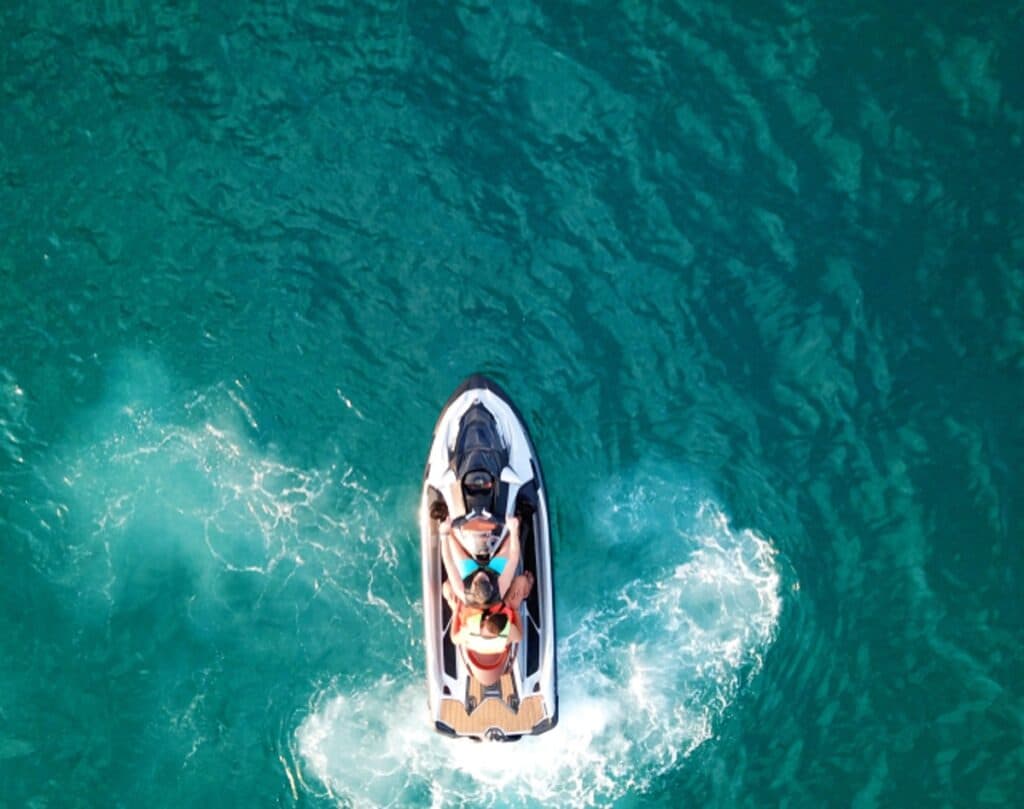
Before binding a PWC policy, review how the policy treats operators, towing, storage, accessories, hurricane preparation, salvage, and damage that happens while the craft is on a trailer. Local waterways, marina storage, and seasonal use can all change the practical risk picture, so it helps to compare limits and exclusions before assuming a basic watercraft policy covers every situation.
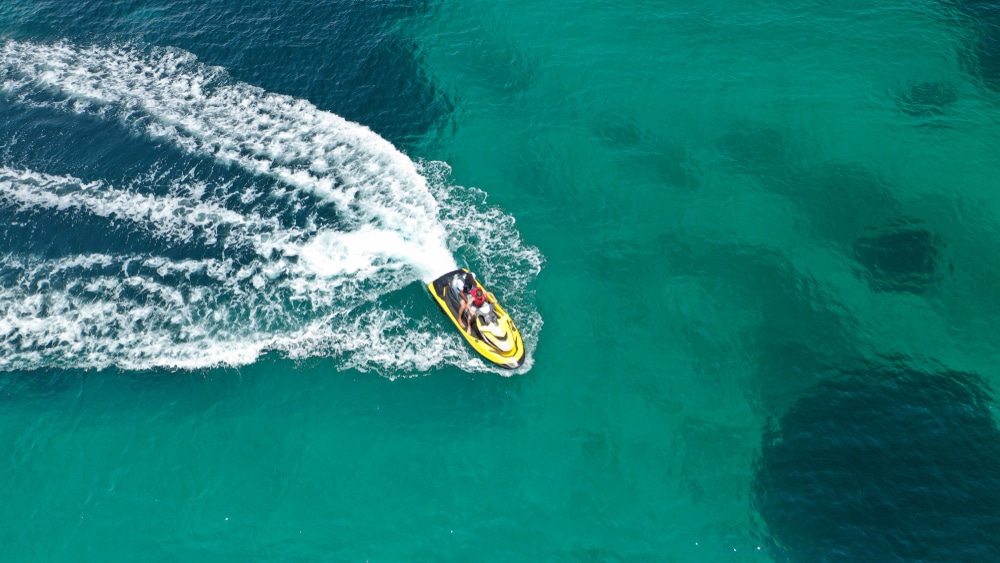
A useful PWC insurance review goes beyond the value of the jet ski itself. Ask how the policy treats operators who are not listed by name, what happens if the craft is damaged while being towed, whether accessories are included, and how liability responds if another person is injured. These details are easy to overlook because the machine is small compared with a boat, but the exposure on the water can still be meaningful.
Storage is another practical point for Southwest Florida owners. Some PWCs sit at a home, some stay near a marina, and others move between a trailer, dock, and seasonal rental property. Tell your agent where the craft is usually kept and whether it is used year-round or mainly during warmer months. That helps narrow the gap between a policy that looks inexpensive and one that actually fits how you use the watercraft.
It is also worth reviewing deductibles before hurricane season. A lower premium can come with a deductible that feels manageable until a claim happens. Compare the savings against what you would be comfortable paying after theft, storm damage, collision damage, or a trailer accident. If you own more than one PWC, ask whether scheduling them together changes the price or simplifies the claims process.
Bassine Insurance Agency can help you compare options from multiple carriers, explain where exclusions apply, and match coverage to your actual boating habits. Bringing the year, make, model, hull identification number, storage address, trailer details, and current loan information will make the quote conversation faster and more accurate.
If you ride with guests, lend the PWC to family, or launch from different ramps, mention that during the quote review. The best policy choice may depend on who operates the craft, where it is used, how often it leaves storage, and whether the trailer or accessories need separate attention. A few minutes spent clarifying those details can prevent confusion when a claim, theft, or liability question comes up later.
Keep a copy of your purchase paperwork, trailer registration, photos, and any accessory receipts with your insurance records for faster claims review, smoother documentation, and clearer verification. If the PWC is damaged or stolen, that documentation can make the claim conversation easier and help confirm the equipment you intended to protect.

Renovating your Florida home? Learn what insurance updates you need — from coverage increases to builder’s risk policies — before construction starts.
Continue readingIf you own a mobile or manufactured home in Fort Myers, you know that insurance premiums can be steep. Wind risk is a major factor in what you pay, and Fort Myers sits right in the heart of hurricane country. But there’s a proven way to reduce your premiums: a wind mitigation inspection. This simple assessment can save mobile home owners hundreds of dollars per year by documenting the wind-resistant features of your home.
At Bassine Insurance Agency, we help Fort Myers mobile home owners take advantage of every discount available. Here’s how wind mitigation works for mobile homes and what you can do to qualify.
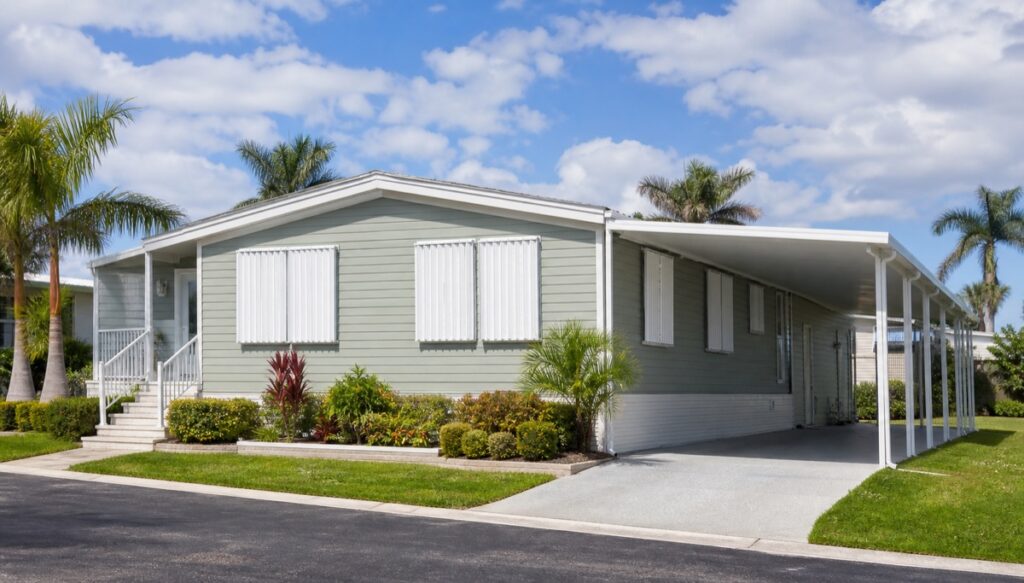
A wind mitigation inspection evaluates your home’s ability to withstand high winds, particularly hurricane-force winds. A licensed inspector examines specific construction features and documents them on a standardized form. Insurance carriers use this information to apply discounts to your premium.
For mobile homes specifically, the inspection evaluates features that are unique to manufactured housing construction, including tie-down systems, roof-over installations, and skirting that provides wind resistance.
Mobile homes have different construction characteristics than site-built homes, and inspectors look at specific features that affect wind resistance.
Not every mobile home will qualify for every discount, but most homes have at least some features that can reduce premiums. The inspection identifies what you have and what improvements would make the biggest impact.
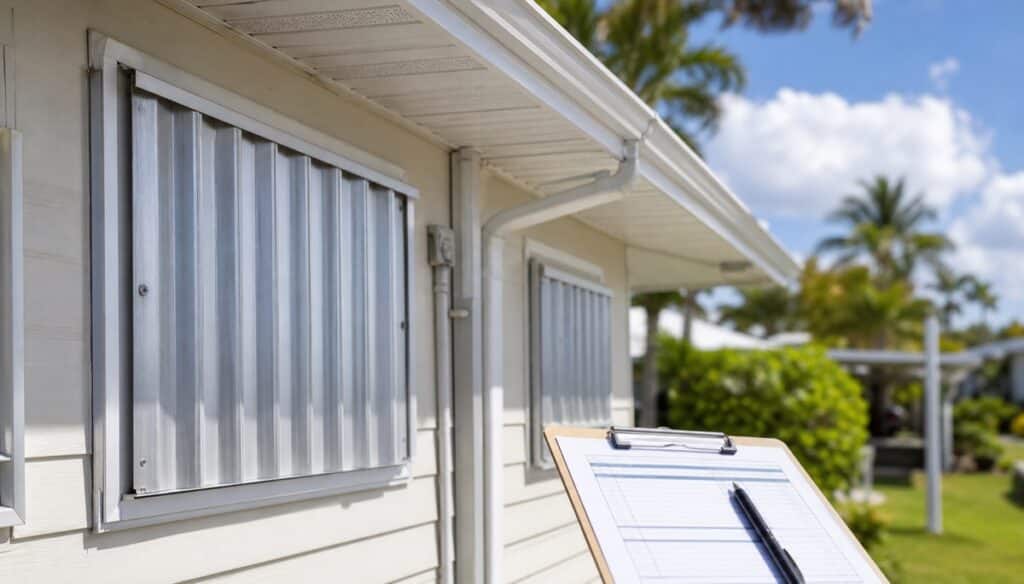
The savings from wind mitigation vary depending on your carrier, your home’s features, and your current premium. But the numbers can be significant.
On a mobile home insurance policy of $2,500 per year, a 30% wind mitigation discount would save you $750 annually. That’s a return of five to ten times the cost of the inspection in the first year alone.
If your current inspection doesn’t show strong wind mitigation features, there are improvements you can make to qualify for better discounts.
Before making improvements, talk to your agent about which upgrades would have the biggest impact on your specific premium. We can help you prioritize investments that provide the best return.
For more information, you may find these resources helpful: FEMA flood insurance information and Florida Building Commission.
Yes. Florida law requires insurers to offer wind mitigation discounts for mobile and manufactured homes that have qualifying features. The discounts work differently than for site-built homes, but they’re available and can be substantial.
Wind mitigation reports are typically valid for five years. If you make improvements to your home’s wind resistance, you should get a new inspection to capture the updated features and qualify for additional discounts.
Licensed home inspectors, licensed general contractors, and licensed professional engineers can perform wind mitigation inspections in Florida. Make sure the inspector is experienced with manufactured homes, as the evaluation criteria differ from site-built homes.
Lowering your mobile home insurance premium starts with knowing what your home has to offer. At Bassine Insurance Agency in Fort Myers, we help manufactured home owners save with wind mitigation and other available discounts. Call us at (239) 995-0333 or request a free quote.

If you run a small business in Port Charlotte, general liability insurance is one of the most important investments you can make. It protects your business against the everyday risks that come with serving customers, working on their property, or simply operating a storefront. Without it, a single accident or lawsuit could threaten everything you’ve built.
At Bassine Insurance Agency, we help Port Charlotte business owners find affordable general liability coverage that fits their industry and risk profile. Here’s why this coverage matters and what it protects.

General liability insurance provides broad protection against third-party claims. It covers situations where someone who isn’t your employee suffers an injury or loss because of your business activities.
These risks exist for virtually every type of business, from retail shops and restaurants to service providers and contractors. If your business interacts with the public in any way, general liability should be your first insurance purchase.
Port Charlotte has a growing small business community serving both residents and seasonal visitors. That foot traffic and customer interaction creates constant liability exposure.
Florida courts are plaintiff-friendly, meaning juries tend to award generous settlements in personal injury cases. A single claim without insurance could result in a judgment that forces you to close your business.

Most Port Charlotte small businesses should carry at least $1 million per occurrence and $2 million aggregate in general liability coverage. This is the standard requirement for most commercial leases and contracts.
We help each business owner determine the right coverage level based on their industry, revenue, client requirements, and risk tolerance.
For many Port Charlotte small businesses, a Business Owner’s Policy (BOP) offers better value than standalone general liability. A BOP bundles general liability with commercial property insurance and business interruption coverage at a package discount.
We compare both options for every client and recommend whichever provides better coverage at the best price for their specific situation.
For more information, you may find these resources helpful: SBA business insurance guide and Florida CFO workers compensation.

Premiums vary by industry, revenue, and coverage limits. Many small businesses pay between $500 and $2,000 per year for a standard general liability policy. Higher-risk industries like contracting pay more. We provide free quotes tailored to your business.
Florida doesn’t require most businesses to carry general liability by law, but commercial landlords, clients, and contracts often require it. Operating without it exposes you to unlimited personal liability for claims.
No. Employee injuries are covered by workers compensation insurance, which is a separate policy. General liability covers injuries to third parties like customers, clients, and visitors.
Protecting your Port Charlotte business with general liability insurance is affordable and essential. At Bassine Insurance Agency, we make it easy to find the right business insurance at the right price. Call us at (239) 995-0333 or request a free quote today.

When a hurricane hits Lee County, the damage often comes from two sources: wind and water. While your homeowners insurance handles wind damage, flood damage from storm surge, rising water, and overflow requires a separate flood insurance claim. Knowing how to file a flood insurance claim quickly and correctly after a hurricane can mean the difference between a smooth recovery and months of frustration.
At Bassine Insurance Agency, we’ve helped Lee County homeowners navigate the flood claims process after major storms. Here’s a step-by-step guide to filing your claim effectively.

As soon as it’s safe to assess your property after a hurricane, contact your insurance agent to report the damage and initiate your flood insurance claim.
The sooner you file, the sooner an adjuster can be assigned to your claim. After a major hurricane, adjuster availability is limited, so early filers typically get faster attention.
Before you move, clean, or discard anything, document the damage thoroughly. This documentation is your proof and the foundation of your claim.
You should begin cleanup as needed to prevent mold and further damage, but only after documenting the initial condition. Remove wet materials and begin drying your home, but save samples of damaged materials like flooring or drywall for the adjuster to inspect.

An adjuster will be assigned to your claim and will contact you to schedule an inspection. This is one of the most important steps in the process.
If you have an NFIP flood policy, there are specific timelines you need to be aware of.
Private flood policies have their own timelines and procedures, which are outlined in your policy documents. We can help you understand the specific requirements of your carrier.

After a hurricane in Lee County, emotions run high and mistakes happen. Here are the most common ones we see and how to avoid them.
For more information, you may find these resources helpful: FEMA FloodSmart.gov and FEMA Flood Map Service Center.
After a major hurricane, initial payments can take 30 to 60 days, though advance payments may be available sooner. The full claims process can take several months depending on the scope of damage and adjuster availability.
Yes, you can hire a public adjuster to represent your interests. They typically charge a percentage of the claim payout, usually 10% to 15%. For large claims, their expertise can result in a higher settlement that more than covers their fee.
You’ll need to file two separate claims: one with your homeowners insurance for wind damage and one with your flood insurance carrier for flood damage. Documenting which damage was caused by wind versus water is important for both claims.
Filing a flood insurance claim after a hurricane is stressful, but having an experienced agent in your corner makes the process smoother. At Bassine Insurance Agency in Fort Myers, we guide Lee County homeowners through every step. Call us at (239) 995-0333 for support with a flood claim or to review your coverage before the next storm.

Figuring out how much auto insurance you actually need in Fort Myers can feel complicated. Florida has its own set of rules as a no-fault state, and the state minimums are among the lowest in the country. But driving with just the minimums leaves you exposed to serious financial risk after an accident. Understanding the difference between what’s required and what’s recommended helps you build a policy that truly protects you.
At Bassine Insurance Agency, we help Fort Myers drivers build auto insurance policies that balance cost with real protection. Here’s what we recommend.

Florida requires just two coverages to legally drive: $10,000 in Personal Injury Protection and $10,000 in Property Damage Liability. These are some of the lowest minimums in the nation, and they were set decades ago when costs were much lower.
The minimums keep you legal on the road, but they don’t protect you from the financial consequences of a serious accident. We recommend coverage levels well above the state minimums for every Fort Myers driver.
Based on our experience working with Fort Myers drivers and the types of claims we see, here’s what we recommend as a solid auto insurance foundation.
These coverage levels provide meaningful protection without being excessive. The premium difference between minimum coverage and our recommended levels is often surprisingly small.
For liability needs beyond your auto policy, learn more about personal umbrella insurance.

The right amount of auto insurance depends on your personal situation. Consider these factors when deciding on your coverage levels.
You don’t have to choose between good coverage and a reasonable premium. Here are strategies we use to help Fort Myers drivers save money.
For more information, you may find these resources helpful: Florida DHSMV insurance requirements and Insurance Information Institute auto data.

Full coverage auto insurance in Fort Myers averages between $2,000 and $4,000 per year depending on your driving record, vehicle, and coverage levels. Minimum coverage is cheaper but leaves significant gaps in protection.
We strongly recommend it. Florida has one of the highest uninsured driver rates in the country. Without this coverage, you’d pay for your own injuries if an uninsured driver hits you.
It depends on your car’s value. If your vehicle is worth less than $5,000, the cost of collision and comprehensive coverage may exceed what you’d receive in a claim. But liability, PIP, and uninsured motorist coverage remain important regardless of your vehicle’s age.
Getting the right amount of auto insurance doesn’t have to be confusing. At Bassine Insurance Agency, we help Fort Myers drivers find the sweet spot between cost and protection. Call us at (239) 995-0333 or request a free quote to review your coverage.

Comparing impact windows and hurricane shutters for insurance discounts in Florida. Learn which option earns bigger premium savings and better protection.
Continue reading
Hurricane season starts June 1 and runs through November 30, and for Lehigh Acres homeowners, preparing early can make the difference between a stressful recovery and a manageable one. While most people focus on physical preparations like shutters and supplies, reviewing your homeowners insurance should be at the top of your hurricane preparation checklist.
At Bassine Insurance Agency, we help Lehigh Acres families review their coverage before storm season begins. Here’s what you need to check and why it matters.
Florida homeowners policies have a separate hurricane deductible that’s typically much higher than your regular deductible. Understanding this number before a storm hits is critical because it determines how much you’ll pay out of pocket before insurance kicks in.
Many Lehigh Acres homeowners chose higher hurricane deductibles to save on premiums without fully understanding the financial impact. We recommend reviewing this number now so you’re not surprised after a claim.
Your dwelling coverage should match the current cost to rebuild your home, not what you paid for it or what it would sell for today. Construction costs have risen significantly in recent years, and many homeowners insurance policies haven’t kept pace.
Rebuilding costs after a hurricane are often higher than normal because demand for contractors, materials, and labor spikes across the region. Making sure your coverage accounts for that is essential.

A standard homeowners policy covers wind damage from hurricanes, but there are important exclusions that catch many Lehigh Acres homeowners off guard.
Knowing these exclusions ahead of time helps you plan for additional coverage like flood insurance and gives you realistic expectations about what your policy will and won’t pay.
If you haven’t had a wind mitigation inspection, scheduling one before hurricane season is a smart move. Beyond the premium savings it provides, the inspection also gives you a clear picture of how well your Lehigh Acres home is prepared to handle high winds.

Before hurricane season, take the time to document your home’s condition and your personal belongings. This makes the claims process faster and smoother if you need to file.
For more information, you may find these resources helpful: Insurance Information Institute homeowners data and FEMA flood insurance information.
Review your policy by April or May each year. This gives you time to make changes, add coverage, or shop for better rates before hurricane season begins on June 1.
Yes, standard homeowners insurance covers wind damage from hurricanes. However, it does not cover flood damage, which requires a separate policy. Your policy has a separate hurricane deductible that’s typically higher than your standard deductible.
We recommend it. While Lehigh Acres isn’t directly on the coast, heavy rain and poor drainage can cause flooding during tropical storms and hurricanes. Flood insurance provides protection that your homeowners policy specifically excludes.
Don’t wait until a storm is in the forecast to check your insurance. At Bassine Insurance Agency, we help Lehigh Acres homeowners prepare for hurricane season with confidence. Call us at (239) 995-0333 or request a free policy review today.