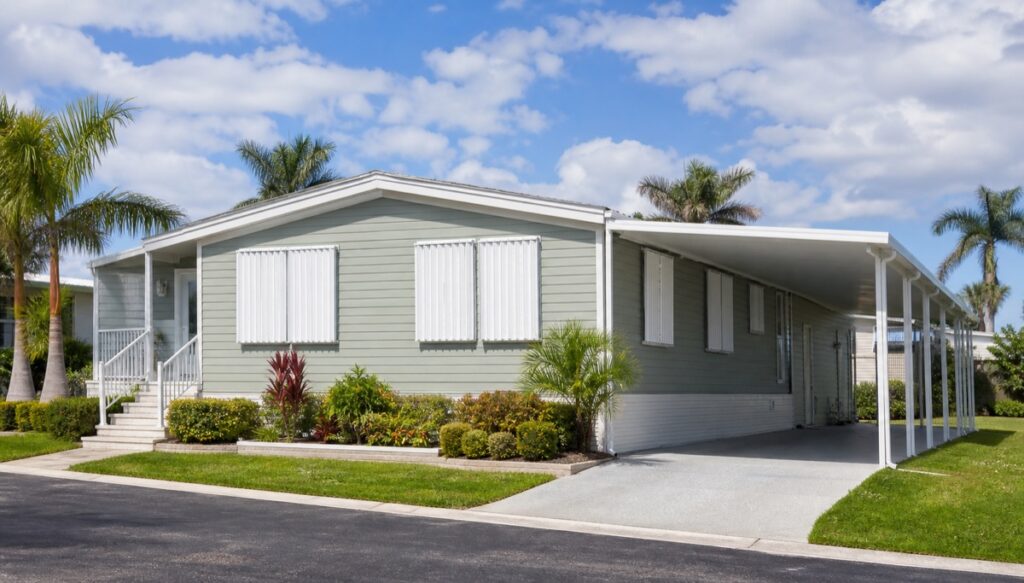
If you own a manufactured or mobile home in Southwest Florida, understanding mobile home vs homeowners insurance in Florida is essential before you buy or renew a policy. Mobile and manufactured homes make up a significant portion of Florida’s housing stock — especially in Lee, Charlotte, and Collier counties where mobile home communities dot the landscape from Fort Myers to Naples. But insuring a mobile home is fundamentally different from insuring a site-built home. The policies look similar on the surface, but the coverage details, pricing factors, and available carriers diverge in important ways.
Why Mobile Homes Need a Different Policy Type
Mobile and manufactured homes may be treated differently from site-built homes for underwriting, titling, and coverage purposes. A site-built home is permanently attached to a foundation and usually insured through a traditional homeowners policy. Manufactured housing can involve different policy forms, community rules, lender requirements, anchoring details, and replacement-cost questions, so the right coverage should be reviewed against the specific home, lot arrangement, and carrier guidelines.
Construction standards and documentation can differ significantly between manufactured and site-built homes. Older homes, homes with limited installation records, or homes with incomplete wind-protection documentation may need closer review before a carrier can confirm eligibility and terms.
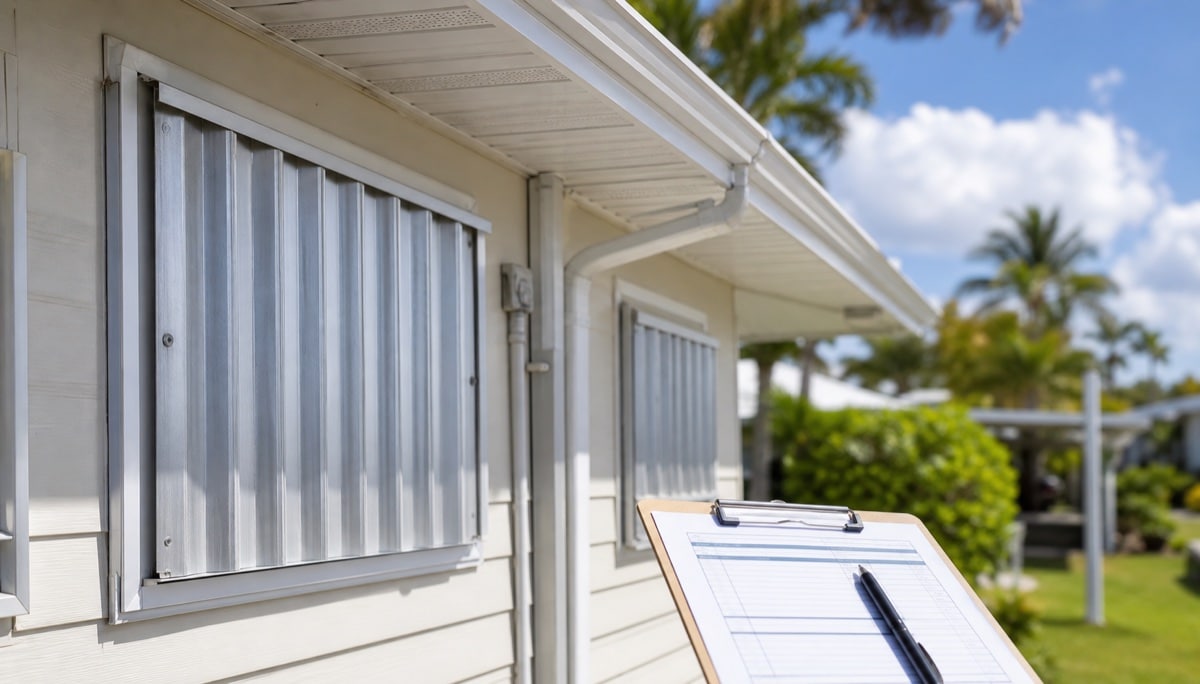
The tie-down and anchoring system can be an important underwriting detail for manufactured homes. Carriers may ask about straps, frame anchors, ground anchors, roof condition, and any inspection paperwork available. Current documentation helps your agent compare options more accurately.
Fewer carriers may write manufactured home policies compared with standard homeowners insurance, and eligibility can change by age, location, condition, and underwriting appetite. Working with an independent agency that represents multiple carriers is especially useful when the first quote is not the best fit.
Coverage Differences: Mobile Home vs Homeowner’s
Traditional homeowner’s policies and mobile home policies can use different settlement terms. Some quotes may reference replacement cost, stated value, agreed value, or actual cash value. Those terms affect how a covered claim is paid, so they should be compared carefully before choosing a policy.
Wind coverage options can vary more for manufactured homes than for many site-built homes, especially near the coast or when inspection documentation is limited. Some policies include wind, some require separate review or endorsements, and some homes may have fewer carrier options. A quote review should confirm whether wind, hurricane deductible, screen enclosure, carport, and attached-structure terms are included before the policy is accepted.
Our hurricane-season insurance checklist covers questions to review before a storm.
Additional structures coverage can work differently as well. Carports, screen rooms, sheds, and other structures attached to or near a mobile home may need to be listed, endorsed, or reviewed separately instead of assumed into the base policy. Ask how each structure is treated before you compare premiums.
Loss of use coverage, which helps with temporary living expenses after a covered claim, can also vary by policy form and carrier. Compare the limit, covered triggers, and deductible structure rather than assuming it matches a traditional homeowners policy.
Cost Comparison in Southwest Florida
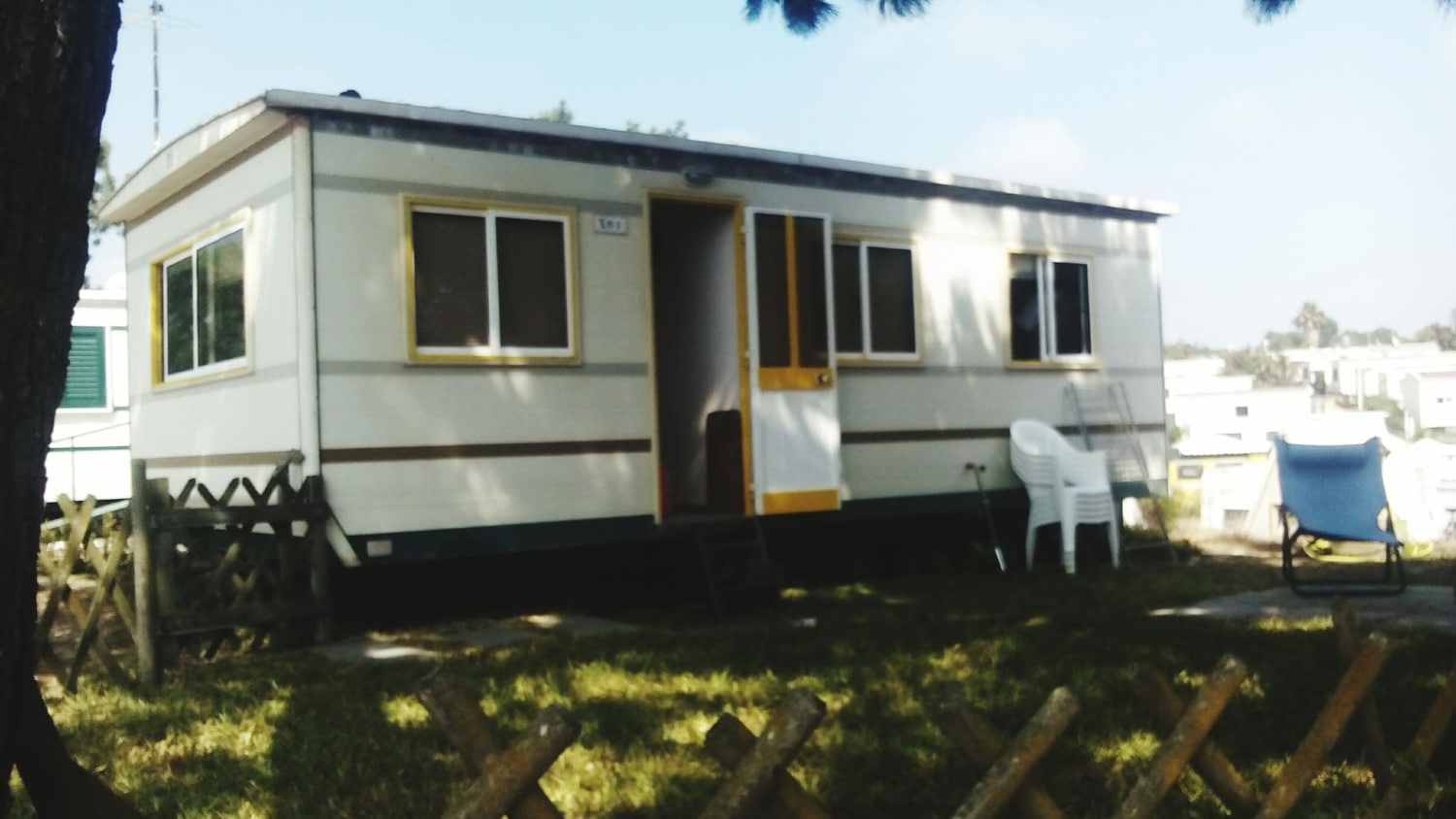
Mobile home insurance costs in Lee County vary widely by carrier, year, size, location, protection features, prior claims, selected limits, and deductible choices. A newer manufactured home with current anchoring documentation may quote very differently from an older unit near a coastal or flood-prone area. The most reliable comparison is a current quote using the exact address and coverage needs.
Traditional homeowner’s insurance for a site-built home is priced through a different underwriting lens. Rebuild cost, roof age, wind mitigation credits, distance to coast, claim history, and deductible choices can all move the premium. Comparing the two policy types by premium alone can be misleading because the coverage forms and settlement terms may not match.
Flood insurance is separate from homeowners or mobile home coverage. Eligibility, limits, and pricing depend on the flood program or private carrier, the property location, elevation information, and building details. A manufactured home owner should review flood coverage separately from wind or fire coverage rather than assuming it is automatically included.
Newer manufactured homes with well-documented anchoring, maintained roofs, and current inspection records may be easier to place than older homes with limited documentation. If you are purchasing a manufactured home, ask for insurance quotes early in the buying process so coverage availability, deductibles, and inspection needs are clear before closing.
Finding the Right Mobile Home Coverage
We also specialize in mobile and manufactured home coverage through our dedicated site Mobile Home Insurance Agency FL. Whether you own a single-wide, double-wide, or modular home, we work with carriers that understand manufactured housing and offer policies tailored to this market.
When shopping for mobile home insurance, ask whether the quote is based on replacement cost, stated value, agreed value, or actual cash value. Those settlement terms can change how a claim is paid after a major loss. The right option depends on the home, carrier, documentation, and budget, so it should be reviewed carefully with your agent before you bind coverage.
Ask whether hurricane straps, tie-down certification, updated anchoring, roof condition, monitored alarms, or community safety features can affect underwriting or available credits. If you do not have current documentation, your agent may recommend a qualified inspection or installer review before quoting.
Review your policy annually. Mobile home insurance markets shift frequently in Florida as carriers enter and exit the manufactured housing segment. A policy that was the best option last year may not be competitive this year, and new carriers entering the market may offer better coverage or pricing. An annual review with your agent can help you spot pricing changes, coverage gaps, or new options before renewal.
Steps to Take if You’re Switching from a Site-Built Home
If you are moving from a site-built home to a manufactured home, do not assume your current carrier writes mobile home policies. Many Florida homeowner’s insurers do not write mobile home coverage at all, and those that do may price it very differently from their standard homeowner’s product. Start your insurance search early — at least 30 days before closing on the manufactured home.
Ask whether a manufactured-home wind or tie-down inspection is needed before quoting. The inspection details may differ from a site-built home review because the carrier is looking at manufactured-home installation, anchoring, roof, and opening-protection details.
Verify your lot lease or ownership status, because it can affect what parts of the property you are responsible for insuring. If you own the lot, ask how the policy treats the manufactured home, detached structures, liability, and any site improvements. If you lease a lot in a mobile home community, confirm what your policy covers and what the community’s master policy may handle.
Update your personal property inventory before purchasing your new policy. Mobile home policies may have different default contents limits than standard homeowner’s policies. Make sure your personal property coverage reflects what you actually own and how the policy would value those items after a covered claim.
Frequently Asked Questions
Is mobile home insurance required in Florida?
Insurance requirements can depend on your lender, lease, community rules, and risk tolerance. Even when a policy is not required by a lender, carrying coverage can help protect against covered fire, wind, theft, liability, and other losses listed in the policy.
Does Citizens Property Insurance cover mobile homes?
Citizens Property Insurance Corporation may be an option for some manufactured homes when private market coverage is not available, but eligibility, requirements, and pricing should be confirmed for the specific property. Review private carrier options with your agent before deciding which path makes sense.
Can I get flood insurance on a mobile home?
Yes. Mobile homes may be eligible for flood insurance when they meet program or carrier requirements. Coverage terms, limits, and pricing depend on the flood program or private carrier, so review the quote and declarations page carefully before assuming what is covered.
Own a mobile or manufactured home in Southwest Florida? Bassine Insurance Agency specializes in comparing available coverage options for manufactured housing. Call (239) 995-0333 for a free quote, or visit Mobile Home Insurance Agency FL for more information.