If you own a home in Fort Myers or anywhere in Lee County, one of the most common questions we hear is whether a homeowners policy already covers flooding. It is an important question, because the answer surprises a lot of people after a storm. A standard homeowners policy and a flood policy are two different contracts that protect against two different kinds of damage, and understanding where one stops and the other begins is what keeps a claim from turning into an out-of-pocket loss.
At Bassine Insurance, we walk local homeowners through exactly what each policy does, why our coastal location changes the math, and how to close the gaps before hurricane season rather than after. Here is what we want every Fort Myers homeowner to understand before the next big rain event.
What a Standard Homeowners Policy Covers in Fort Myers — And What It Leaves Out
A typical homeowners policy in our area is built to respond to sudden events like wind, fire, theft, falling trees, and water that comes from the top down — a wind-torn roof, a burst supply line, or an appliance that fails. It also usually includes liability protection and coverage for your belongings and for temporary living costs if your home becomes uninhabitable after a covered loss.
What it does not cover is flooding. Nearly every standard homeowners policy written in Florida excludes damage caused by rising surface water, storm surge, and the kind of ground-level water intrusion we see when heavy rain overwhelms local drainage. That single exclusion is the reason a separate flood policy exists, and it is the gap that catches Fort Myers homeowners off guard most often.
Why Flood Damage Needs Its Own Policy in Lee County
Flood insurance in our area generally comes from one of two places: the National Flood Insurance Program (NFIP), which is backed by FEMA, or a growing number of private flood carriers. Both cover the same basic idea — water that rises from the outside and enters your home — but the terms, limits, and pricing can differ, which is why comparing them is worth the time.
A flood policy is usually written in two parts: building coverage for the structure itself and contents coverage for what is inside. Those are separate limits, and a homeowner who buys only one can be left with a repaired structure and no help replacing furniture, or the reverse. We help clients decide how much of each makes sense for their specific home and belongings.
For a neutral overview of how federal flood coverage works, we often point clients to FloodSmart.gov and then compare that general guidance with the flood risk on your specific street and elevation.
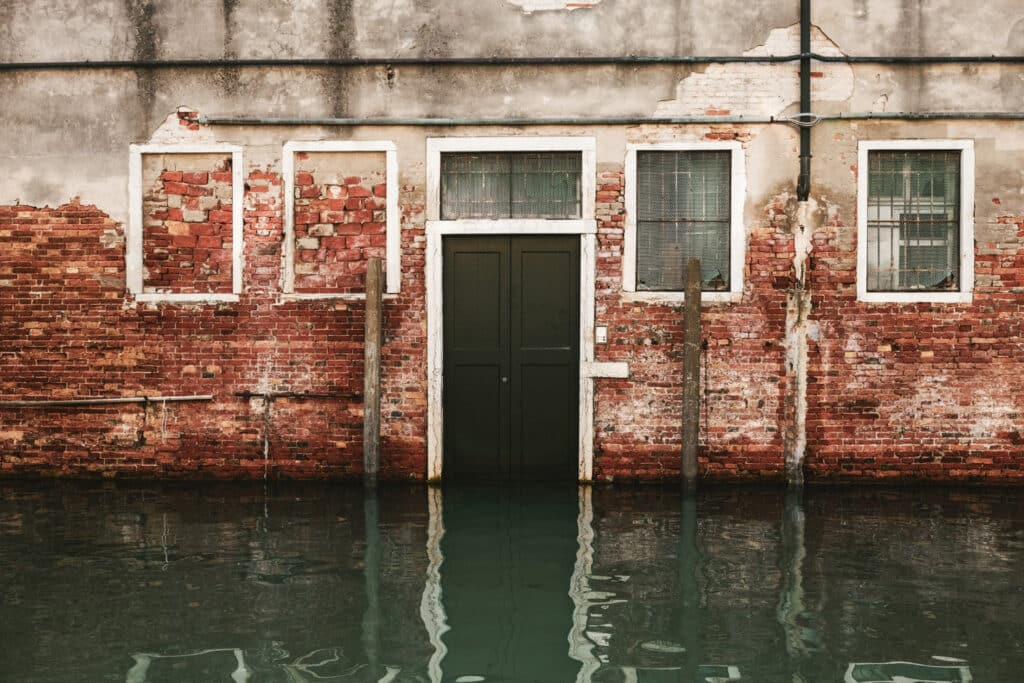
Wind vs Water: The Distinction That Decides Hurricane Claims
After a hurricane, the single most important question on a Southwest Florida claim is often whether the damage was caused by wind or by water. Wind-driven rain that enters through a roof the storm tore open is generally a homeowners matter. Storm surge and rising water that comes in at ground level is a flood matter. When both happen to the same house — which is common here — two different policies and sometimes two different adjusters are involved.
This is exactly why we encourage homeowners not to rely on a single policy to handle a hurricane. A home with strong wind coverage but no flood policy is only half protected against the storms our region actually gets. Reviewing both together, before the season starts, is the best way to avoid a coverage argument at the worst possible time.
Flood Zones, Lender Requirements, and Timing
FEMA maps our area into flood zones, and those maps matter for two reasons. First, if your home sits in a high-risk Special Flood Hazard Area and you carry a federally backed mortgage, your lender will almost certainly require flood insurance. Second, a lower-risk zone does not mean no risk — a meaningful share of flood claims come from properties outside the highest-risk zones, and Fort Myers has seen exactly that.
Timing is the other piece homeowners tend to underestimate. Flood policies commonly carry a waiting period before coverage takes effect, so buying a policy as a storm is forming is usually too late. If you are planning to add or review flood coverage, the calmer months before hurricane season are the right time to do it.

Coverage Gaps We See Most Often on Fort Myers Homes
The most common gap is simply assuming a homeowners policy includes flood — it almost never does. Close behind is under-insuring contents, since many homeowners protect the structure and forget how much it costs to replace everything inside after water damage. We also see policies that were right when they were written but no longer match a home that has since been renovated, elevated, re-roofed, or had major systems replaced.
Another quiet risk is relying on last year’s decision. Flood maps get updated, rebuilding costs change, and a policy that fit two seasons ago may leave you short today. A quick annual comparison of your homeowners and flood coverage side by side is usually enough to catch these before they become a claim-time surprise.
When to Have Your Fort Myers Coverage Reviewed
It is worth a conversation any time your situation changes — you buy a home, finish a renovation, replace a roof, change how the property is used, or receive a renewal or flood-map notice that looks different from last year. It is also worth a review simply because hurricane season is approaching and you want to confirm both policies still fit.
As independent agents, we can compare homeowners options along with both NFIP and private flood options for your specific address, then explain the trade-offs in plain language. There is no downside to knowing exactly where your two policies overlap and where they leave a gap.
Frequently Asked Questions
Does my Fort Myers homeowners policy cover flooding?
In almost all cases, no. Standard homeowners policies exclude damage from rising water and storm surge, which is why separate flood coverage through the NFIP or a private carrier is needed to fill that gap. Your agent can confirm the exact terms of your policy.
Do I need flood insurance if I’m not in a high-risk flood zone?
You are not always required to carry it, but it is often a good idea. A significant number of flood claims in Southwest Florida come from lower-risk zones, and coverage is generally more affordable outside the highest-risk areas.
If a hurricane damages my home, which policy pays?
It depends on the cause of the damage. Wind and wind-driven rain typically fall under a homeowners policy, while rising water and storm surge fall under flood insurance. Many storms cause both, so having both policies matters. Your agent can confirm how the details apply to your home.
How soon does flood coverage take effect?
Flood policies commonly include a waiting period before they become active, so it is best to put coverage in place well before a storm threatens rather than at the last minute. We can review the specific timing that applies to your situation.
Review Your Flood and Homeowners Coverage With a Local Agent
If you want a clear side-by-side look at your flood and homeowners insurance in Fort Myers, call us at (239) 995-0333 or reach out through our contact page. We will help you confirm both policies fit your home before the next storm season, not after.