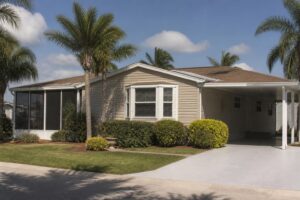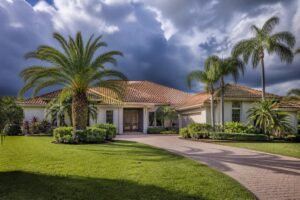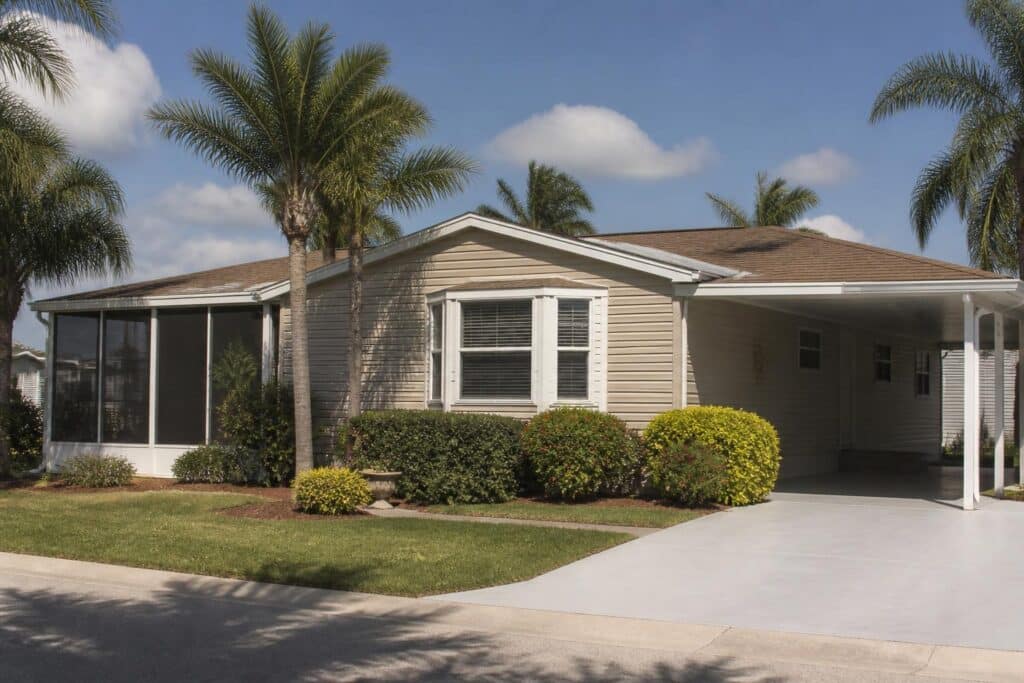
Roof inspection questions can become important quickly for Florida manufactured home owners, especially before a renewal, purchase, or insurance review. In North Fort Myers and nearby communities, roofs deal with intense sun, wind-driven rain, humidity, tropical weather, and debris from trees or neighboring structures. Those conditions make roof records and current condition worth organizing before an insurance deadline arrives.
A roof review is not about guessing whether a policy will be approved. Carrier rules, eligibility, limits, inspection requirements, and pricing vary. Roof age may be relevant, but it is not the only factor in an underwriting decision. A licensed agent should review the specific policy, property details, carrier request, and available documentation before you rely on any conclusion.
If you own a mobile or manufactured home in Southwest Florida, the following questions can help you prepare for a practical conversation about mobile or manufactured home insurance and roof documentation.
Why roof details matter for Florida manufactured homes
Manufactured homes can have roof systems that differ from site-built homes. Some have metal roofs, some have shingles, some have membrane systems, and others have roof coatings or roof-over work. Additions such as carports, screen rooms, Florida rooms, and porches can also create tie-in areas where water intrusion or wind damage concerns may appear.
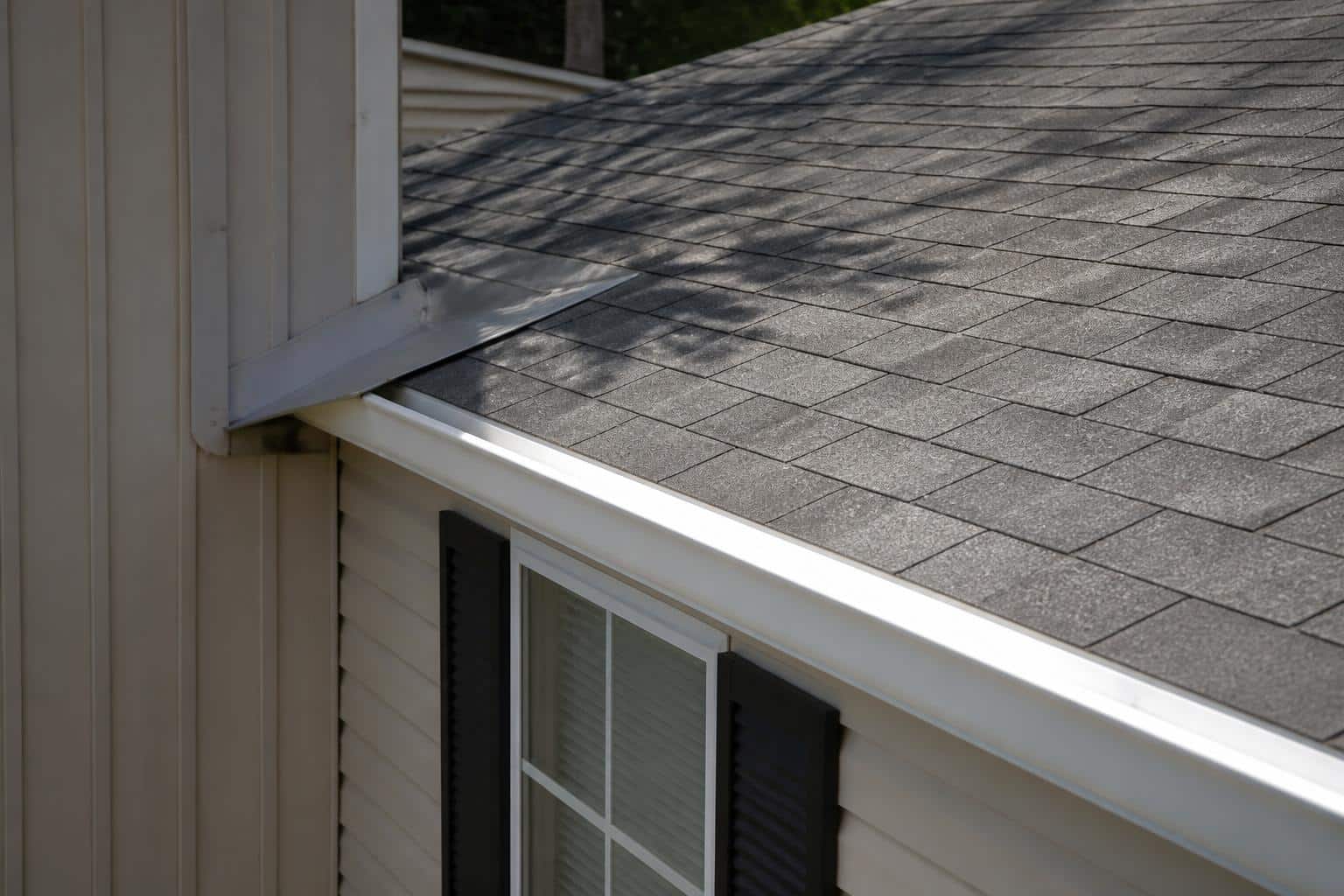
Insurers may ask about a roof because the roof is a major part of the structure’s protection from weather. For insurance purposes, the discussion often includes material, installation history, maintenance, visible condition, leak history, repairs, and supporting documentation. An older roof in good documented condition and a newer roof with unresolved problems may be viewed differently depending on the carrier and the facts. That is why roof age alone should not be treated as a final answer.
Florida’s property insurance environment has also changed in recent years. The Florida Department of Financial Services: Property Insurance Changes page provides consumer information about recent property insurance changes, including roof-related issues. Because state guidance and carrier practices can change, use official resources as background and then ask for a policy-specific review.
It also helps to understand how property coverage generally works. The Florida Department of Financial Services: Homeowners Insurance Overview explains common homeowners insurance concepts for consumers. Manufactured home coverage is not always identical to a standard homeowners policy, but the overview can help you think about structure coverage, personal property, liability, exclusions, and deductibles.
Roof records to gather before an insurance review
The most useful roof conversation starts with documents. You do not need to have every possible paper before calling an agent, but the more accurate your information is, the easier it is to understand what a carrier may be asking for. Start with any record that shows when the roof was installed, replaced, repaired, sealed, or coated.
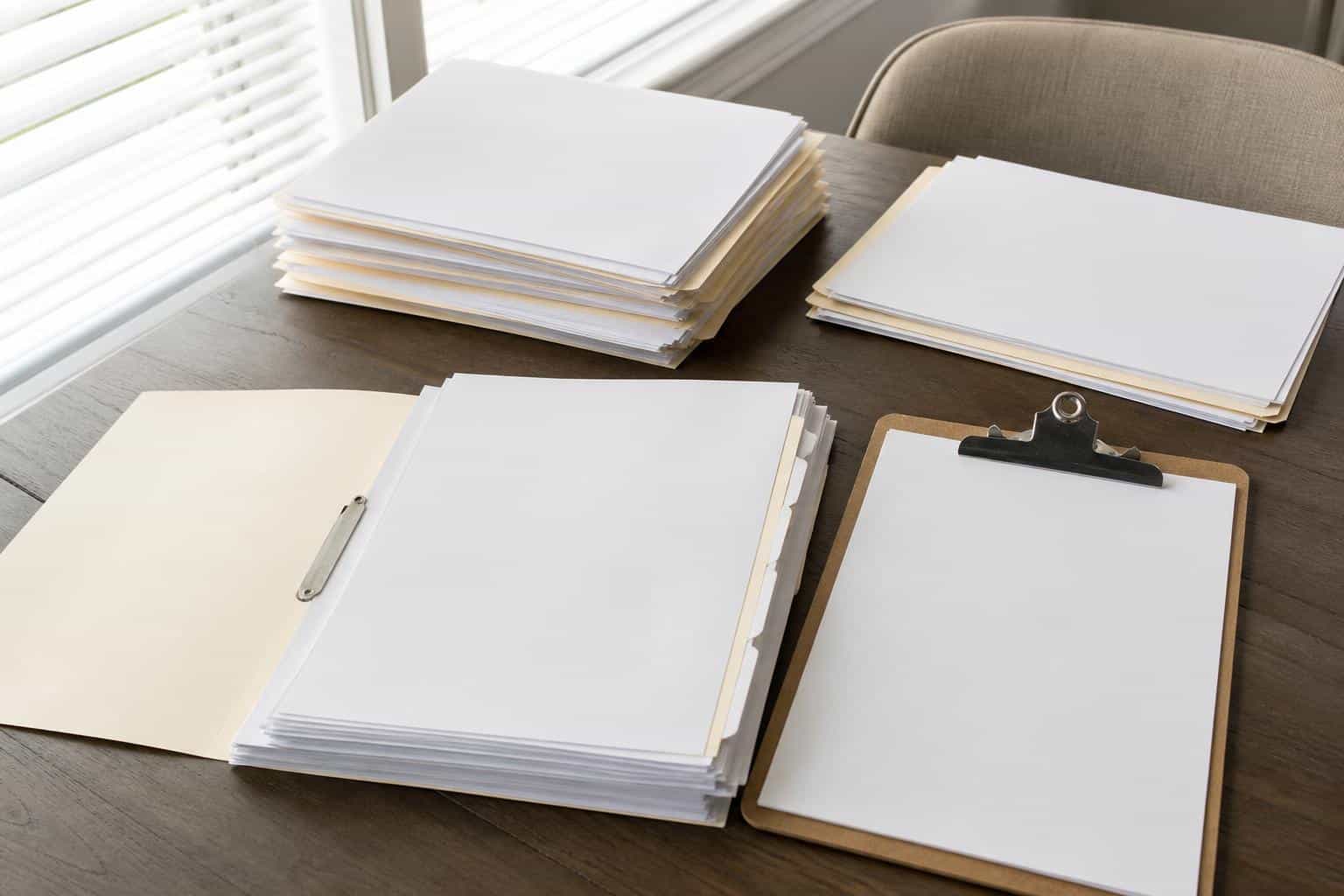
If the roof was replaced, gather the contract, invoice, permit information if available, and any paperwork that identifies the roof material. If you bought the home after the work was completed, look through closing documents, prior inspection reports, seller disclosures, old listing information, community records, and emails from the purchase. Even if a document is not enough by itself, it may help establish the roof’s history.
Repair and maintenance records are also important. For manufactured homes, the difference between a coating, repair, restoration, roof-over, and full replacement may matter. Use the contractor’s actual wording rather than assuming each term means the same thing. Keep invoices for resealing, fastener work, flashing repairs, vent repairs, leak repairs, coating applications, branch damage repairs, and storm-related work.
Recent photos can help organize the discussion. Useful photos may show the front, rear, and sides of the home, the roof surface if visible from a safe location, roof edges, vents, seams, gutters, carport connections, porch tie-ins, and any ceiling areas where a past leak was repaired. Do not climb on a roof or use a ladder if it is unsafe. If condition is unclear, consider using an appropriate professional to inspect it.
Keep current policy documents with your roof records. Note the carrier, renewal date, deductibles, notices, and any requests for additional information. If you receive a nonrenewal notice, conditional renewal, inspection request, or request for photos, save the entire notice and contact a licensed agent promptly. Notices may include deadlines or specific instructions that should not be overlooked.
A practical roof inspection checklist
A simple checklist can make the process less stressful. This is not a substitute for a carrier-required inspection or professional opinion, but it can help you prepare for a more productive insurance conversation.
- Identify the roof type. Write down whether the roof appears to be metal, shingle, membrane, coated, or another system. If you are not sure, say so. Photos or contractor records may help clarify it.
- Confirm the roof history. List the known installation or replacement date, major repairs, coatings, roof-over work, and leak repairs. Mark anything that is approximate or uncertain.
- Review visible condition safely. From the ground, look for missing material, lifted edges, rust, soft-looking areas, sagging, damaged trim, loose gutters, debris buildup, or signs of impact. Inside the home, look for stains, peeling paint, or soft ceiling areas.
- Check transition points. Pay attention to seams, vents, plumbing stacks, skylights, roof edges, carports, lanais, screen rooms, and additions. These areas are common places for maintenance concerns to appear.
- Separate repairs from replacement. A repair or coating may be valuable maintenance, but it may not be treated the same as a full replacement. Keep the actual paperwork so the carrier can review what was done.
- Ask before ordering reports. If an insurer needs a specific inspection form, photo set, or report, confirm the requirement before paying for something that may not satisfy the carrier.
- Review related coverage questions. Roof questions may lead to broader discussions about the dwelling amount, personal property, deductibles, wind concerns, flood exposure, and liability limits.
This sequence is especially useful for seasonal residents or owners who manage a Florida manufactured home from another state. If you are not local year-round, think ahead about who can provide photos, meet an inspector, or locate repair records if an insurer asks for them. Digital copies can make a time-sensitive review easier.
Local conditions also matter. Homes in North Fort Myers, Cape Coral, Fort Myers, and nearby areas may have exposure to tropical weather, tree debris, drainage issues, and low-lying neighborhoods. Standard property coverage discussions do not automatically answer flood questions. Flood insurance is generally handled separately from many home or manufactured home policies, so ask how flood coverage fits your property if water exposure is a concern.
Questions to ask a licensed agent about roof documentation
When you speak with an agent, bring your records and ask specific questions. Start with whether your current carrier has requested roof documentation and whether a new quote would require roof photos, an inspection report, or proof of repairs. If you are buying a manufactured home, ask what roof information should be collected before closing or before requesting coverage.
Ask how the carrier distinguishes between roof maintenance, repairs, coatings, roof-over work, and replacement. The answer may depend on the carrier’s guidelines and the documentation available. If the work was completed by a contractor, an invoice that describes the work may be more useful than a verbal summary. If the roof was maintained by a prior owner, gather what you can and be honest about what you do not know.
Ask whether roof condition could affect available options, deductibles, or required follow-up. Do not expect an agent to guarantee eligibility, pricing, or savings before the carrier reviews the property details. A careful review may consider roof condition, material, documentation, home condition, location, occupancy, prior losses, and other underwriting factors.
It is also wise to ask how the roof discussion fits with broader property coverage. Some manufactured home owners also need to review personal property, liability, flood, auto, life, umbrella, watercraft, renters, or condo coverage depending on their household. If your situation is closer to a site-built home, you may also want to compare general home insurance considerations, while remembering that policy forms and eligibility rules can differ.
If you receive a request for information, ask how to submit documents and whether photos should be dated or labeled. If an inspection is required, ask whether the carrier requires a particular form or inspector qualifications. Keeping a clean folder with your policy, notices, roof records, photos, and inspection reports can help reduce confusion during renewal season.
Frequently Asked Questions
Does roof age alone decide whether a Florida manufactured home can be insured?
No. Roof age may be part of an underwriting review, but it should not be treated as the only factor. Carriers may also consider roof type, visible condition, repair history, documentation, remaining useful life, location, occupancy, and overall home condition. A licensed agent can review the specific carrier request or policy situation.
What if I do not know when the roof was replaced?
Start with closing documents, inspection reports, seller disclosures, invoices, permits, community records, old photos, and prior emails. If you still cannot confirm the date, tell your agent what you know and what remains uncertain. A carrier may request additional documentation or inspection information depending on its guidelines.
Is a roof coating the same as a roof replacement?
Not necessarily. A coating may be maintenance, repair, restoration, or part of a larger project, depending on what was actually completed. Use the wording from the contractor’s invoice or inspection report. If the distinction matters, ask what documentation the carrier needs to review.
Should I order a roof inspection before requesting a quote?
Sometimes it may help, but it is better to ask first. Different carriers may request different forms, photos, or inspection details. Before paying for a report, ask a licensed agent what information is needed for your manufactured home and whether existing records can be used.
If you are preparing for renewal, buying a manufactured home, or responding to a roof documentation request, Bassine Insurance can help you organize a policy-specific discussion. Call (239) 995-0333 or request a quote to get started.