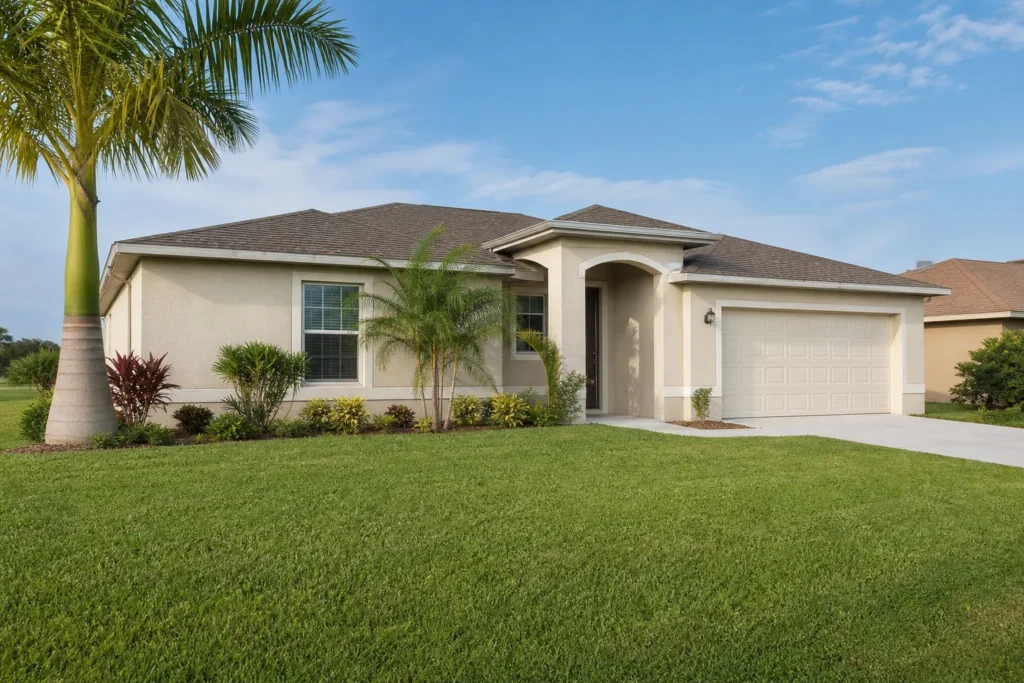
DP3 insurance for rental properties is a common policy form used for residential property that an owner rents to someone else. Florida rental-property owners may encounter the term while comparing coverage for a single-family home, duplex, or another dwelling that is not their primary residence. The form can be a useful starting point, but the letters and number do not tell the whole story. The declarations, endorsements, exclusions, limits, valuation terms, and deductible determine how a particular policy responds.
Bassine Insurance Agency offers rental property insurance guidance for Southwest Florida owners. When you review a DP3 option, focus on the building, your landlord-owned property, liability, lost rental income, and the causes of loss the contract actually covers. Availability and terms vary by carrier and property.
DP3 Insurance for Rental Properties: What It Is and How It Differs
What Does DP3 Mean?
DP stands for dwelling property. A DP3 is one form within that family. It is often used for a tenant-occupied house, a seasonal rental, or a home that does not fit a standard owner-occupied homeowners form. It is sometimes described as a landlord policy, although landlord insurance is a broader practical label rather than a promise that every policy includes the same protections.
A DP3 commonly insures the dwelling on an open-perils basis, meaning the form starts from covered direct physical loss unless the cause is excluded. Other property, such as landlord-owned contents, may be handled differently. That structure is not universal, and an endorsement can expand or narrow it. Read the covered-property and causes-of-loss sections instead of relying on a one-line summary.
The policy typically centers on the structure rather than a tenant’s belongings. Tenants generally need their own renters insurance for furniture, electronics, clothing, and personal liability. Requiring renters insurance in a lease may support good risk management, but it does not replace the owner’s coverage.
DP3 Insurance and a Standard Homeowners Policy Are Different
A standard homeowners policy is generally designed for a residence occupied by its owner. A rental changes who occupies the building, how often the owner sees the property, and what liability and income exposures exist. Failing to disclose rental use can create serious coverage questions, so describe occupancy accurately when requesting a quote.
A DP3 can address the dwelling, other structures, certain landlord-owned property, loss of rents, and premises liability, subject to the selected policy. It usually does not provide the same broad package of personal-property and personal-liability coverage associated with an owner-occupied homeowners policy. Owners who split time between a property and short-term rental use should explain the exact arrangement rather than assuming either form fits.
Bassine’s home insurance overview explains the broader residential protection conversation. The Florida Department of Financial Services homeowners insurance overview also gives consumers a general foundation for reviewing residential policies. A policy review should match the form to actual occupancy, ownership, property features, and rental activity.
What a DP3 Policy Can Cover
Building Coverage and Settlement Terms
The dwelling limit should reflect a reasonable estimate of rebuilding cost, not the property’s purchase price or market value. Land value does not need rebuilding, while labor, materials, debris removal, code requirements, and contractor demand can make reconstruction cost different from a real-estate estimate. Share accurate square footage, construction type, roof details, updates, and attached features with the agency.
Ask whether covered dwelling losses are settled at replacement cost or actual cash value and what conditions apply. Replacement cost provisions may require repair or replacement before all eligible depreciation is paid. Roofs or other components may have separate schedules or settlement endorsements. A replacement-cost label does not remove the deductible, policy limit, exclusions, or documentation requirements.
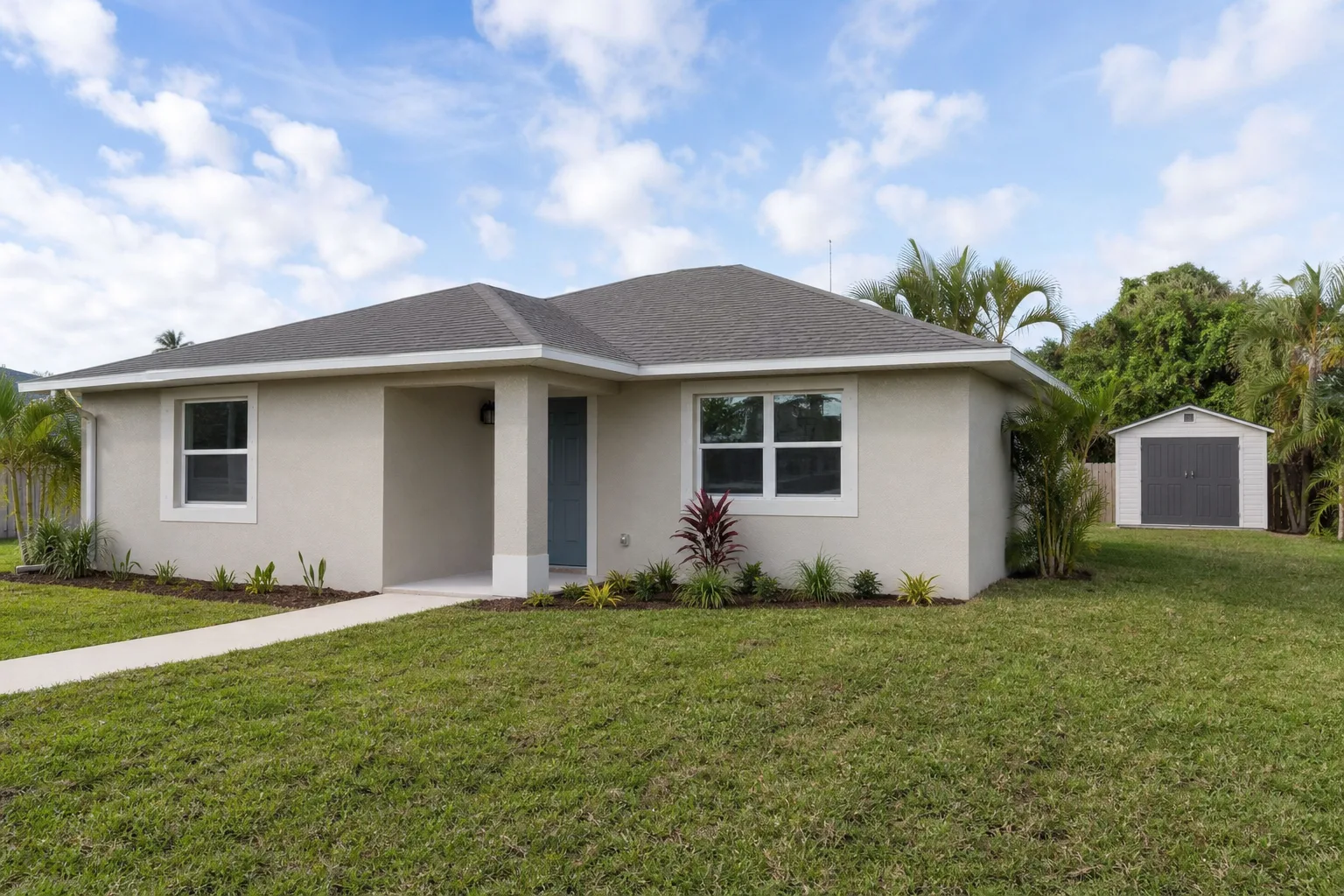
Other structures may need their own limit. Detached garages, sheds, fences, docks, and similar features can be treated differently depending on the form and endorsements. Tell the agency about them and about any landlord-owned appliances, furnishings, maintenance equipment, or other items kept at the property.
Loss of Rents After a Covered Loss
If covered damage makes the dwelling unfit to rent, a policy may provide fair rental value or loss-of-rents coverage for a limited period. This protection generally depends on a covered cause of loss and is subject to a limit, time period, and policy conditions. It does not guarantee rent during ordinary vacancy, tenant nonpayment, eviction, maintenance work, or a downturn in demand.
Compare the limit with the property’s realistic rental income and the time a substantial Florida repair could take. Widespread storms can strain contractors, materials, inspections, and permits. Keep leases, payment records, management statements, and expense documentation where they remain accessible after a loss.
Ask how continuing expenses are treated and whether the policy uses a stated dollar limit, a percentage, or a time-based approach. The answer matters because mortgage payments, taxes, and other ownership expenses can continue while repairs are underway.
Premises Liability and Medical Payments
Rental-property ownership creates liability exposures. A visitor could allege injury from a loose step, poor lighting, a damaged walkway, or another condition. DP3 packages may include premises liability and medical payments, but limits and covered circumstances vary. Confirm that both are present and review whether the selected limits fit the property and ownership structure.
Coverage does not replace maintenance. Use written inspection and repair routines, respond to tenant reports, preserve invoices, and document completed work. Pools, trampolines, dogs, docks, short-term rentals, and vacant periods can affect eligibility or require special underwriting. Disclose them before binding coverage.
An umbrella policy may provide additional liability protection above eligible underlying policies when available, but it comes with required underlying limits and exclusions. Ask whether the rental property can be scheduled under your umbrella and whether the ownership name matches across policies.
Florida Risks, Vacancy, and Short-Term Rentals
Florida Risks to Review Carefully
Windstorm and hurricane coverage require close attention in Southwest Florida. Confirm whether wind is included, excluded, or written through another policy, and identify the hurricane or named-storm deductible. Percentage deductibles are generally calculated from an insured value stated in the policy, so translate the percentage into dollars during the review.
Flood is a separate exposure. A DP3 generally should not be assumed to cover rising water, storm surge, or overflow. Review flood insurance separately even when a lender does not require it, and account for any waiting period. Use current flood information and the property’s elevation and drainage characteristics as planning inputs, while recognizing that flooding can occur outside higher-risk mapped zones.

Water damage also needs specific questions. Sudden plumbing damage, repeated seepage, drain backup, flood, and maintenance-related leakage can receive different treatment. Ask about exclusions, sublimits, and optional endorsements rather than using the single phrase water damage.
Vacancy, Short-Term Rentals, and Property Management
Vacancy can change coverage after a stated number of days. A house being marketed, renovated, or held between tenants may cross that threshold. Tell the agency when occupancy changes and ask what the vacancy condition restricts. A vacant-dwelling form or endorsement may be needed during an extended gap.
Short-term rental activity may not fit the same underwriting rules as a year-long residential lease. Platform protection should not be treated as a substitute for a reviewed insurance contract. Describe how often guests stay, whether the owner also occupies the property, who manages it, and what amenities are offered.
If a property manager is involved, confirm the insurance requirements in the management agreement. Ask whether the manager should be listed as an additional insured or additional interest, and have the agency review the request. Those terms have different effects and should be applied correctly.
Questions to Ask Before Choosing a DP3 Policy
Start with the form and endorsements. Ask which causes of loss apply to the dwelling and to landlord-owned property, which exclusions are most relevant, and whether wind coverage is included. Confirm the dwelling valuation method, roof settlement terms, deductibles, and any inspection requirements.
Then review income and liability. Compare the loss-of-rents limit with the lease, confirm the premises-liability limit, and disclose pools, docks, animals, or short-term use. Ask how vacancy is defined and how quickly a change in occupancy must be reported.
Finally, verify the named insured and property address. An individually owned home, trust, LLC, or partnership may require different documentation. The policy should reflect the actual ownership interest, and lender or property-manager requirements should be reviewed before the effective date.
Frequently Asked Questions About DP3 Insurance
Is DP3 the same as landlord insurance?
DP3 is a specific dwelling-policy form often used for rentals. Landlord insurance is a broader label that can refer to different forms and endorsements. Review the actual contract rather than treating the terms as interchangeable.
Does DP3 cover a tenant’s belongings?
It generally focuses on the owner’s building and covered landlord-owned property. Tenants normally need renters insurance for their own possessions and personal liability.
Does DP3 include flood insurance?
Do not assume it does. Rising water and storm surge are commonly addressed through separate flood coverage. Review the property-specific flood exposure and policy terms.
Can a DP3 cover a vacant rental home?
Vacancy conditions and eligibility vary. Extended vacancy may restrict coverage or require a different form or endorsement, so report the change before the applicable threshold.
To compare DP3 insurance for rental properties with other available rental-dwelling options, contact Bassine Insurance Agency or call (239) 995-0333. Provide the ownership, occupancy, lease type, property features, and current insurance information so the review can focus on the actual risk. Coverage, eligibility, limits, deductibles, and pricing depend on the carrier, policy, property, and underwriting.