Ordinance or law coverage addresses certain extra costs that can arise when damaged property must be repaired or rebuilt to comply with current building codes. A home may have been legal when it was built but no longer match today’s structural, roofing, electrical, energy, or floodplain requirements. After a covered loss, code enforcement can make the repair scope larger than simply replacing what was there before.
This coverage is especially relevant to owners of older Fort Myers homes and other Southwest Florida properties, but it is often misunderstood. It does not pay for routine upgrades, neglected maintenance, or a code violation discovered without a covered loss. The policy must first cover the direct physical damage, and the ordinance or law provision then applies only as its wording, limits, and exclusions allow.
Why Building Codes Can Add Cost After a Covered Loss
Building codes are intended to set minimum safety and performance standards. They evolve as construction practices, materials, wind-resistance knowledge, electrical standards, and flood-risk information change. Bassine’s home insurance service page is a practical place to start a coverage review. The Florida Building Commission’s code-development resources provide the adopted code materials and updates that govern current construction requirements in the state.
A contractor repairing covered damage generally has to obtain permits and follow the code in force for that project. Depending on the location and scope, the work may require more than replacing the damaged component exactly as it existed. The added requirements can affect materials, connectors, electrical work, roof assemblies, openings, elevation, or other systems.
Local building officials determine what is required for a particular project. An insurance agent, contractor, or general online article cannot promise which code provisions will apply. Before work begins, confirm the permitted scope with the appropriate authority and ask the carrier how the policy treats the required changes.
The Three Cost Areas Commonly Discussed
Ordinance or law provisions are often described in three broad cost areas, although policy labels vary. One area concerns the loss in value of an undamaged part of the building when a code requires that part to be demolished. Another concerns the cost to demolish and remove the undamaged portion. The third concerns the increased construction cost needed to rebuild with code-compliant materials or methods.
For example, a covered event might damage part of a structure while an authority requires more extensive work before the building can be restored. The ordinary property coverage may focus on the physically damaged part, while ordinance or law coverage may address eligible code-driven costs for other portions. Whether that example is covered depends on the actual cause of loss, enforcement decision, policy language, and limits.
Do not rely on the letters sometimes used to label these coverage areas unless those same labels appear in your contract. Insurers can package the protection differently. Ask for a plain-language explanation tied to the specific endorsement and dollar or percentage limits on your policy.
What Ordinance or Law Coverage Usually Does Not Do
It is not a maintenance plan. Replacing an old roof solely because it has reached the end of its useful life is different from code-required work that follows covered roof damage. The same distinction applies to outdated wiring, plumbing, windows, or other systems that need improvement but were not damaged by a covered event.
It also does not erase exclusions. If flood causes the damage and the homeowners policy excludes flood, ordinance or law wording in that homeowners policy does not normally create flood coverage. Separate flood insurance and its terms would need to be reviewed. The same principle applies to any excluded cause of loss.
Pre-existing code violations can be another concern. A policy may exclude enforcement related to violations that existed before the loss or were known but not corrected. Disclose known conditions and read the exclusions rather than assuming a future claim will fund deferred compliance work.
Finally, the coverage does not guarantee that every improvement requested by a contractor will be reimbursed. The change must be required by an enforceable ordinance or law and fit the covered scope. Written permit requirements, code citations, estimates, and carrier approval can help distinguish required work from optional upgrades.
Why Older Florida Homes Deserve a Closer Review
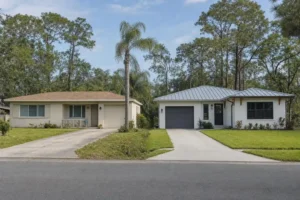
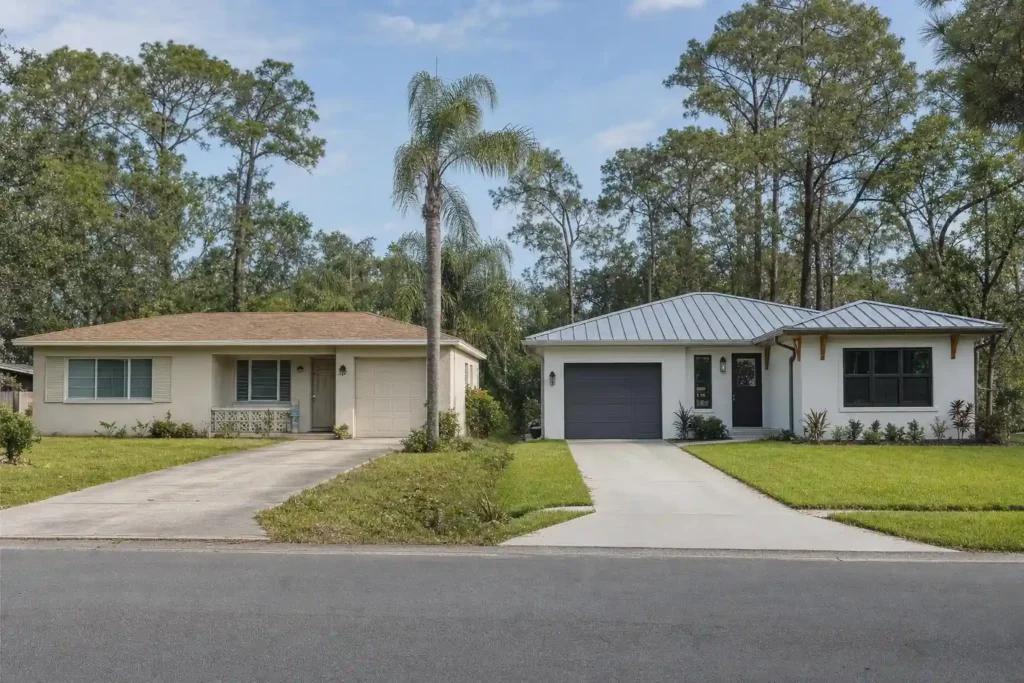
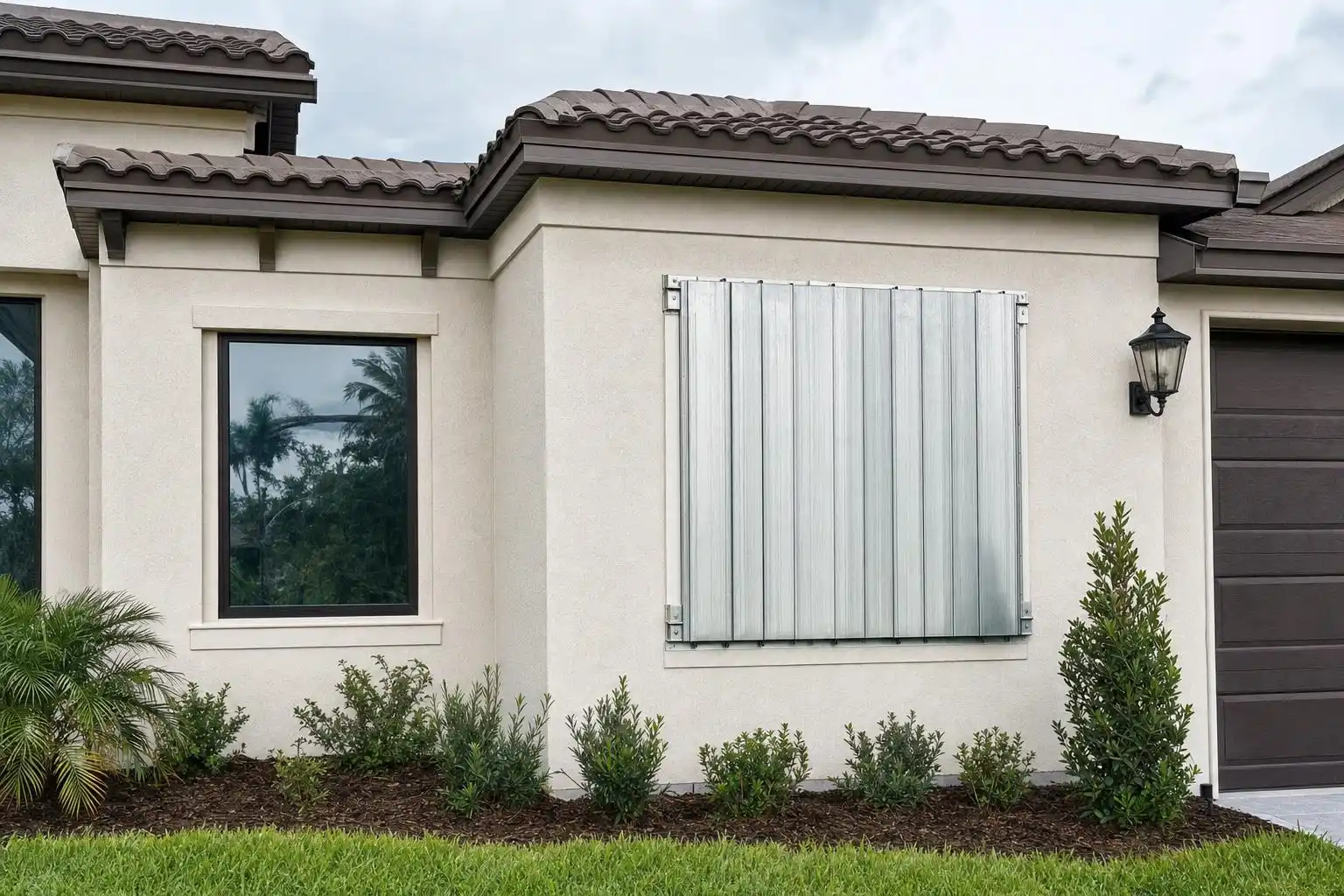
An older home may have been built under a prior edition of the building code and altered over many years. Roof-to-wall connections, opening protection, electrical panels, plumbing materials, insulation, and other features may differ from current standards. Those differences do not automatically mean the home is unsafe or uninsurable, but they can affect the scope after a major covered repair.
Southwest Florida also faces wind and flood concerns that influence construction rules. The requirements can differ by jurisdiction, property location, building type, and project size. A coastal or floodplain property may encounter requirements that do not apply to a similar-looking home elsewhere.
Owners should keep permits and records for major improvements. If the roof, windows, electrical system, or other components have been updated, documentation can help establish what was completed and when. It may also support a more accurate policy review.
How Limits and Deductibles Affect the Protection
Ordinance or law coverage may be included at a limited amount, added by endorsement, or expressed as a percentage of dwelling coverage. A percentage can represent a substantial amount, but it is still finite. Ask whether one combined limit applies to all code-related costs or whether separate limits apply to different categories.
The policy deductible and the dwelling limit may also shape the claim. Extra code costs can arise alongside ordinary repair costs, debris removal, and other covered expenses. Review how the limits interact instead of considering the ordinance or law number alone.
Extended replacement cost and ordinance or law coverage serve different purposes. An extended replacement cost provision may provide added room when covered rebuilding costs exceed the dwelling limit, while ordinance or law coverage focuses on eligible costs created by code enforcement. One does not necessarily replace the other.
Documents to Gather Before and After a Loss
Before a loss, keep the declarations page, endorsements, recent inspection reports, permits, renovation invoices, and photographs in a secure location. Review the property description for accuracy. Tell the agency about substantial changes rather than assuming the carrier already has the information.
After covered damage, save written notices from the building department, permit requirements, contractor estimates that separate like-for-like repairs from code upgrades, and communications from the adjuster. Ask contractors to identify the specific requirement behind each added cost. Clear documentation helps everyone evaluate the same scope.
Do not begin permanent repairs or demolish undamaged portions without addressing emergency safety needs, documenting the condition, and following the carrier’s instructions. Reasonable steps to protect property from further damage may be required, but permanent work can affect inspection and coverage review.
Questions to Ask About Ordinance or Law Coverage
Ask whether the policy includes ordinance or law coverage and where the endorsement appears. Confirm the limit, whether it is a dollar amount or percentage, and which cost categories it covers. Ask how demolition, debris removal, and increased construction cost are treated.
Ask how the policy handles a requirement to demolish an undamaged part of the building. Confirm whether pre-existing violations, floodplain requirements, or substantial-improvement rules have special restrictions. Because these questions can be property-specific, request written answers when possible.
Also compare the home’s age and known updates with the current property record. If a roof, electrical panel, plumbing system, or window package has been replaced, make sure the application and valuation information reflect the change.
Frequently Asked Questions About Ordinance or Law Coverage
Is ordinance or law coverage the same as replacement cost?
No. Replacement cost concerns how covered property is valued for repair or replacement. Ordinance or law coverage addresses eligible added costs caused by enforcement of current codes after a covered loss. Both can matter in the same project.
Will it pay to bring my whole house up to current code?
Not automatically. Coverage generally applies only when a covered loss triggers enforcement and only to the extent the endorsement, limits, and authority requirements allow. Routine upgrades and unrelated violations are different.
Does every Florida homeowner need the same limit?
No. The appropriate amount depends on the home’s age, construction, location, updates, policy structure, and available options. Review the property and endorsement rather than choosing solely from a general rule.
Who decides which building-code upgrades are required?
The authority having jurisdiction, usually the local building department, determines the enforceable requirements for the permitted work. The carrier then evaluates coverage under the policy and documented scope.
To review whether your home policy includes ordinance or law coverage and how its limit is structured, contact Bassine Insurance Agency or call (239) 995-0333. The agency serves homeowners across Fort Myers, North Fort Myers, Cape Coral, Naples, Bonita Springs, Lehigh Acres, and Port Charlotte. Coverage depends on the policy issued, the cause of loss, local enforcement, and the facts of the claim.