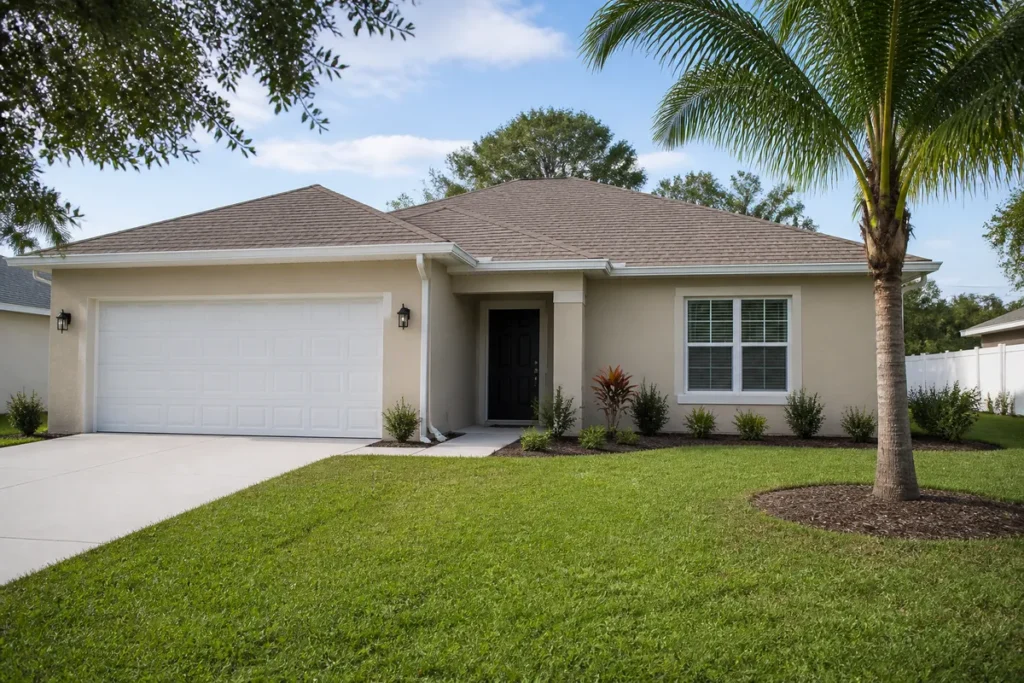
If you own a house, condo, or mobile home that you rent out to a tenant in Southwest Florida, a standard homeowners policy built for an owner-occupied home may not fit the way the property is actually used. Landlord insurance, sometimes called rental property insurance or a dwelling-fire policy, is built around that different use case: a structure someone else lives in, income the property generates, and liability questions that come up specifically because a tenant occupies the home.
Before you assume your current policy already covers a property you rent out, it helps to understand what a landlord-focused policy typically addresses, what it does not, and the questions worth asking as you compare options.
How Landlord Insurance Differs From a Standard Homeowners Policy
The Insurance Information Institute explains that landlord policies provide property coverage for physical damage to the structure from fire, lightning, wind, hail, ice, snow, and other covered perils, similar to a homeowners policy. Many landlord policies also include coverage for lost rental income for a specific period when a covered loss makes the unit temporarily unrentable while repairs are underway.
An important distinction is what the policy does not cover. A landlord’s policy generally protects the structure itself and the owner’s financial interest in it. It does not cover a tenant’s personal belongings. That is why many landlords require tenants to carry their own renters insurance before signing a lease, and the Florida Department of Financial Services’ renters insurance overview is a useful resource to share with a tenant who asks why the landlord’s coverage does not protect their possessions.
Liability coverage is another piece worth understanding on its own terms. A landlord policy typically includes liability protection for incidents that happen on the rental property, separate from any liability coverage on your primary residence. Ask specifically how liability is structured if you own both a home you live in and a separate property you rent out, since these are usually two different policies with two different limits.
Questions to Ask Before You Rent Out a Property
Start by telling your insurer exactly how the property is used: full-time long-term rental, seasonal rental, or a property you occupy part of the year and rent out the rest of the time. The National Association of Insurance Commissioners notes that using a home as a rental can affect which policy applies, and a standard owner-occupied homeowners policy may not automatically extend to a property that is rented to someone else.
Ask what happens if the property sits vacant between tenants. Extended vacancy can change how some policies respond to a loss, so find out whether your policy has a vacancy provision and what steps, if any, you need to take to keep coverage active during a turnover period.

If the rental income from the property matters to your household budget, ask specifically how the lost-rent provision works: what triggers it, how long it applies, and what documentation you would need to provide after a covered loss. Do not assume a lost-rent benefit is unlimited or automatic; ask for the specific terms in writing before you rely on it as part of your household’s income planning.
For a mobile or manufactured home you rent out, ask how that property type is underwritten differently from a site-built home, since wind mitigation, tie-down requirements, and age of the unit can all factor into how the policy is written and priced.
Keeping Records That Support a Rental Property Claim
Keep a simple, organized file for each rental property you own: the current policy declarations page, the lease or rental agreement, a record of any inspections, and photos or video of the property’s condition at each tenant turnover. This kind of documentation does not change your coverage, but it can make a claim conversation more efficient if damage occurs.
Track maintenance and repair records separately from tenant communication. If a dispute arises over whether a condition existed before or during a tenancy, dated records and photos are more useful than a general recollection of the property’s condition. Store this information somewhere you can access it even if you cannot get to the property itself.
When you file a claim, ask which records the insurer wants to see and in what format. Provide what is requested through the insurer’s approved channel, and keep a copy of everything you submit. This is a recordkeeping practice, not a guarantee of how a specific claim will be evaluated or paid.
Coordinating Landlord Coverage With Your Own Policies
If you own the home you live in and a separate property you rent out, keep a clear written record of which policy applies to which address. Renewal time is a good opportunity to confirm that your rental property is still listed correctly and that the use described on the policy still matches how the property is actually being used.
Ask how a claim at the rental property would be handled differently from a claim at your primary residence, including which deductible applies and who is the point of contact for a tenant reporting an issue. Keeping this process clear before a loss happens can make a claim easier to navigate, and it gives you a ready answer if a tenant reports damage and asks who to contact next.
If you are considering adding personal umbrella liability coverage on top of your other policies, tell the umbrella conversation about the rental property specifically. A separate landlord liability policy needs to be included in that underwriting discussion rather than assumed automatically covered, since umbrella coverage coordinates with the underlying policy in place for each property.
Multiple rental properties in a household’s portfolio can complicate this coordination further. If you own more than one rental unit, list every address, every policy, and every liability limit when you request an umbrella quote so the underwriting reflects your complete picture rather than just the property you mention first.
Frequently Asked Questions
Does my regular homeowners policy cover a property I rent out?
Not automatically. A standard owner-occupied homeowners policy is built around a home you live in. Tell your insurer if a property is rented to someone else so the correct policy type can be reviewed for that use.
Does landlord insurance cover my tenant’s belongings?
No. Landlord insurance generally covers the structure and the owner’s financial interest in it, not a tenant’s personal property. Tenants typically need their own renters insurance for their belongings.
What happens if the rental sits vacant between tenants?
Extended vacancy can affect how some policies respond to a loss. Ask about any vacancy provision on your specific policy and what steps keep coverage active during a turnover period.
Can I add umbrella coverage on top of a landlord policy?
It is possible when the underlying landlord policy meets the umbrella carrier’s requirements. Bring the rental property into that underwriting conversation specifically rather than assuming it is already included.
To review coverage for a property you rent out in Southwest Florida, contact Bassine Insurance Agency at (239) 995-0333. We serve property owners across Fort Myers, North Fort Myers, Cape Coral, Naples, Bonita Springs, Lehigh Acres, and Port Charlotte. Coverage, eligibility, and policy terms depend on the specific property and the policy issued.