Umbrella insurance is a type of personal liability coverage that sits on top of what your home, auto, or watercraft policy already provides. When a covered liability claim is large enough to use up the limits on one of those underlying policies, an umbrella policy can help cover the remaining amount, up to its own separate limit. For Southwest Florida households with a pool, a boat, a rental property, or simply more to protect, umbrella coverage is often one of the first questions that comes up during a policy review.
Because umbrella coverage works alongside other policies rather than replacing them, understanding how the pieces fit together matters before you decide whether to add it. The specifics of eligibility, available limits, and how a particular claim would be handled depend on the underwriting and the wording of the actual policy you are offered.
How an Umbrella Policy Works With Your Other Coverage
The National Association of Insurance Commissioners explains an umbrella policy as coverage for liability and legal defense costs that go beyond what your primary auto, homeowners, or renters policy pays. Your underlying policy responds first, up to its own limit, and the umbrella policy can then apply to the remaining covered amount, up to its own separate limit.
The Insurance Information Institute describes the underlying-limit requirement that most insurers set before they will issue an umbrella policy, such as a minimum amount of liability coverage already in place on your auto and homeowners policies. If your current limits fall short of what an umbrella carrier requires, raising the underlying limits is usually the first step, not the umbrella policy itself.
An umbrella policy generally covers the same broad categories as your underlying liability coverage: bodily injury to others, property damage you are responsible for, and certain personal injury claims such as libel or slander. It does not replace or duplicate coverage for damage to your own home, vehicle, or boat, and it is not a source of funds for your own medical bills after an accident. Ask about the exact scope of covered claims before assuming a specific situation would qualify.
Questions Worth Asking Before You Add Umbrella Coverage
Start with an inventory of what you already carry. List the liability limits on your home, auto, and watercraft or other policies, since these underlying limits typically need to meet a minimum before an umbrella policy can be issued. The Florida Department of Financial Services’ homeowners overview is a useful starting point for reviewing what a typical homeowners policy already includes on the liability side before you look at an added umbrella layer.
Next, think through the situations that concern you. A pool, a dock, a rental property you own, a teen driver, or frequent guests on a boat are all common reasons Southwest Florida households ask about extra liability protection. Describe these specifics when you request a quote, rather than asking for umbrella coverage as a single generic line item. The more clearly you describe your actual exposures, the more useful the underwriting conversation will be.
Ask how the umbrella policy would coordinate with each underlying policy, not just one of them. A policy that raises your auto liability but leaves your homeowners liability at the minimum may not satisfy every umbrella carrier’s underwriting requirements. Bring your full picture of home, auto, watercraft, and any other exposures to the conversation so nothing is reviewed in isolation.
Also ask what is excluded. Umbrella policies commonly exclude business-related liability, intentional acts, and damage to property you own, among other items. The NAIC’s summary above is a general starting point, but the exact exclusions depend on the policy you are offered, so request the specific wording in writing before you rely on it for a particular situation.
Umbrella Coverage and Rental Property or Watercraft Exposures
Households that rent out a property or own a boat often carry a different liability picture than a household with just a primary residence and a car. A guest injury at a rental unit or an incident involving a boat can involve significantly higher potential claim amounts than a typical homeowners scenario, which is part of why these exposures come up often in umbrella conversations.
If you own a rental property, ask how its liability coverage is structured separately from your primary home policy, and whether that structure meets the underlying-limit requirements for an umbrella policy to apply to a rental-related claim. The same applies to a boat or other watercraft you carry a separate policy for; confirm that the watercraft policy’s liability limits are included in the umbrella underwriting rather than assumed.
These are underwriting and coordination questions, not guarantees. Whether a specific rental property or watercraft claim would be covered depends on the terms of both the underlying policy and the umbrella policy at the time of the loss, so keep documentation of every policy involved and ask for written confirmation of how they work together.
What Bassine Insurance Agency Can Help You Compare
Bassine Insurance Agency can help Southwest Florida households compare personal umbrella coverage options once your underlying home, auto, watercraft, or other policies are in place. That conversation starts with a review of your current liability limits and the situations you want addressed, not a quote for a fixed limit before that review happens.
Because eligibility, available limits, and pricing depend on the underwriting for your specific household, we are not able to promise a particular coverage amount or guarantee approval in advance. What we can do is walk through your current policies, explain how an umbrella layer would coordinate with them, and help you request the information you need from a prospective carrier.
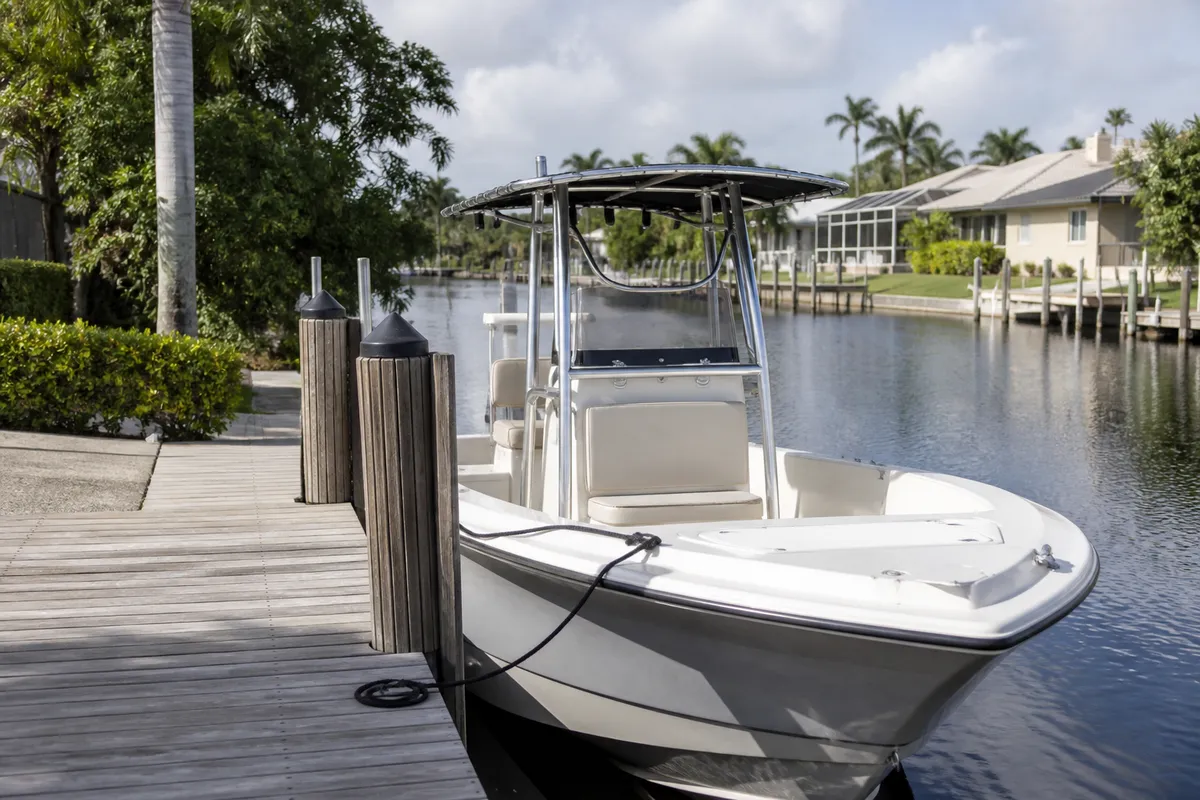
If your household situation has changed since your last policy review, for example a new pool, a rental property, a boat purchase, or a change in drivers, that is a reasonable time to revisit whether umbrella coverage fits your overall protection plan alongside your existing home, auto, and watercraft coverage.
Frequently Asked Questions
Does umbrella insurance replace my home or auto policy?
No. An umbrella policy adds liability protection above your existing home, auto, or other underlying policies. It does not cover damage to your own property and is not a substitute for those policies.
Do I need a minimum amount of coverage before I can buy umbrella insurance?
Most insurers set minimum liability limits on your underlying policies before issuing an umbrella policy. Review your current limits and ask what minimums apply to the umbrella coverage you are considering.
What does umbrella insurance typically cover?
General categories include bodily injury to others, property damage you are responsible for, and certain personal injury claims such as libel or slander, subject to the policy’s terms and exclusions. Ask for the specific coverage and exclusion language for any policy you are considering.
Does umbrella coverage apply to a rental property or a boat?
It can, when the underlying rental property or watercraft policy meets the umbrella carrier’s requirements. Confirm how each of your policies is factored into the umbrella underwriting rather than assuming automatic coordination.
To review your current liability coverage and ask about personal umbrella options, contact Bassine Insurance Agency at (239) 995-0333. We serve homeowners across Fort Myers, North Fort Myers, Cape Coral, Naples, Bonita Springs, Lehigh Acres, and Port Charlotte. Coverage, eligibility, and limits depend on underwriting and the policy actually issued.