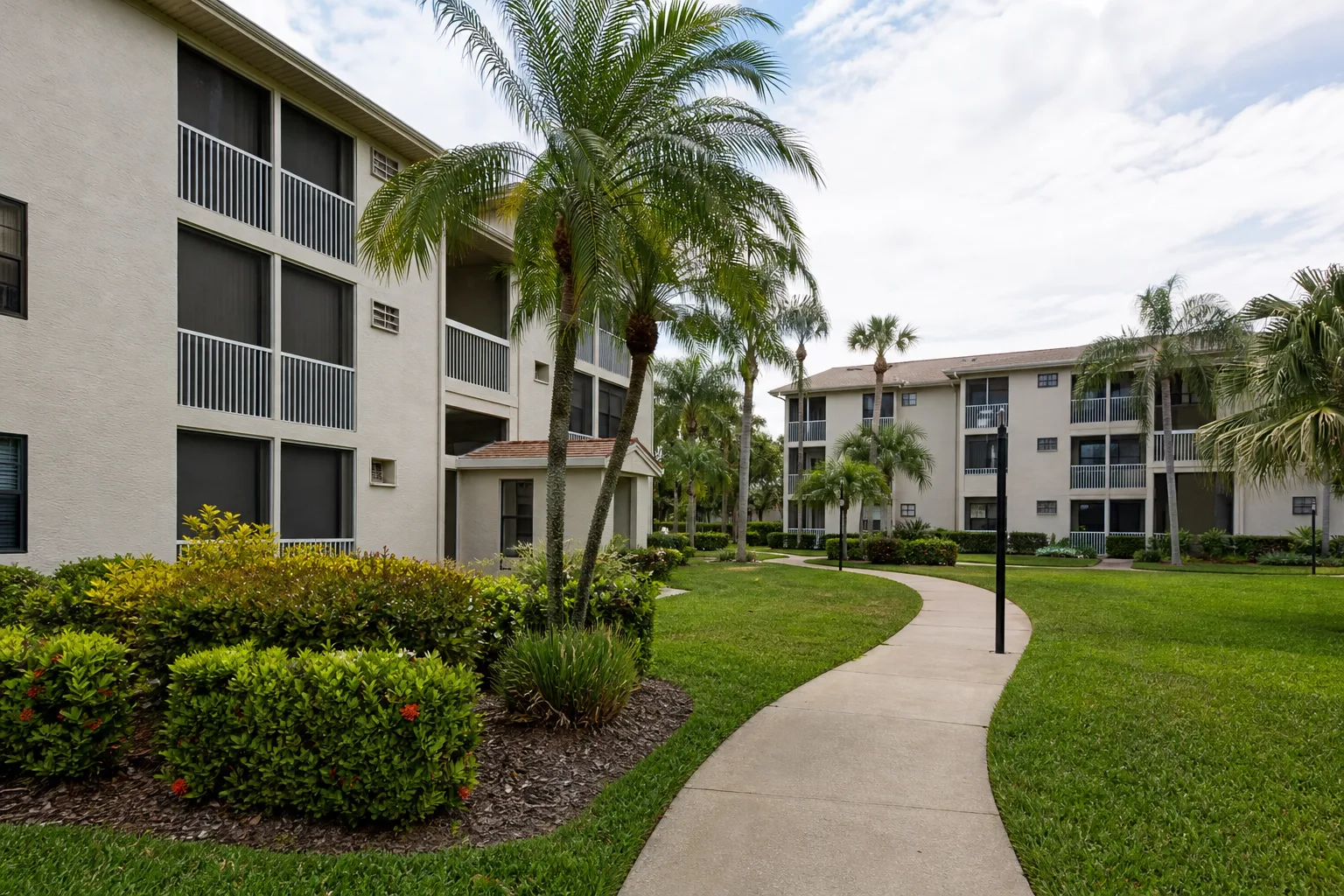
Condo loss assessment coverage can help a unit owner respond when a condominium association charges owners for certain covered losses or liabilities that exceed the association’s available insurance. It is a limited part of many HO-6 condo policies, not a general promise to pay every assessment. Florida condo owners should understand the trigger, limit, deductible, exclusions, and timing before an association sends a large bill.
The association’s master policy and the unit owner’s policy handle different property and liability interests. Bassine Insurance Agency offers condo insurance and can help Southwest Florida owners compare those layers. The right starting point is the association’s current insurance summary, governing documents, and your HO-6 declarations and endorsements.
For an overview of the coverage Bassine offers condo owners, see our condo insurance in Fort Myers and Southwest Florida page.
What Is a Condo Loss Assessment?
A condominium association can assess owners when association funds and insurance are not enough to cover a shared obligation. The obligation might follow damage to common property, a liability claim, or an association insurance deductible. Whether an individual owner’s loss assessment coverage applies depends on the reason for the assessment and the wording of that owner’s policy.
An assessment is not automatically an insured loss. Associations also levy assessments for maintenance, reserves, capital improvements, repairs from wear, and other operating needs. HO-6 loss assessment coverage generally requires an insured cause or covered type of liability under the unit-owner policy. Read the trigger closely and do not equate every special assessment with insurance coverage.
The date of the loss can matter as much as the date the assessment is issued. If the underlying event occurred before your policy period, after it ended, or under different terms, coverage questions may arise. Preserve the association notice, board minutes, invoices, master-policy claim documents, and the date and cause of the original event.
How the Master Policy and HO-6 Policy Fit Together
The association usually insures defined common property and carries liability coverage for association operations. The scope can vary with Florida law, the declaration, bylaws, and policy. Florida owners can read the current insurance provisions in Florida Statute 718.111, then ask qualified insurance and legal professionals how the statute and governing documents apply to a particular association. A unit owner’s HO-6 policy typically addresses the owner’s personal property, improvements or interior property assigned to the owner, loss of use, personal liability, and other selected protections.
Bassine’s guide to condo master policies versus personal condo insurance explains why owners need to compare both documents. A phrase such as walls in does not settle every question. Cabinets, flooring, fixtures, appliances, interior partitions, balconies, windows, and owner upgrades may be allocated differently.
Ask the association for its certificate or evidence of insurance, property limits, valuation basis, deductibles, and a plain description of covered property. Then compare those facts with your HO-6 building-property limit. Gaps at the boundary between the two policies can be more important than the label printed on either one.
When Loss Assessment Coverage May Apply
One potential trigger is covered physical damage to association property. If a covered event causes damage and the association’s eligible loss exceeds its available insurance, owners may receive an assessment. Your HO-6 provision may respond if the same cause of loss is covered under its terms and the assessment meets the contract’s other conditions.
Another potential trigger is covered liability. If an association faces a covered liability claim above its insurance limit, an assessment may be made against owners. Unit-owner loss assessment coverage may include a defined share of that type of obligation, subject to exclusions and limits.
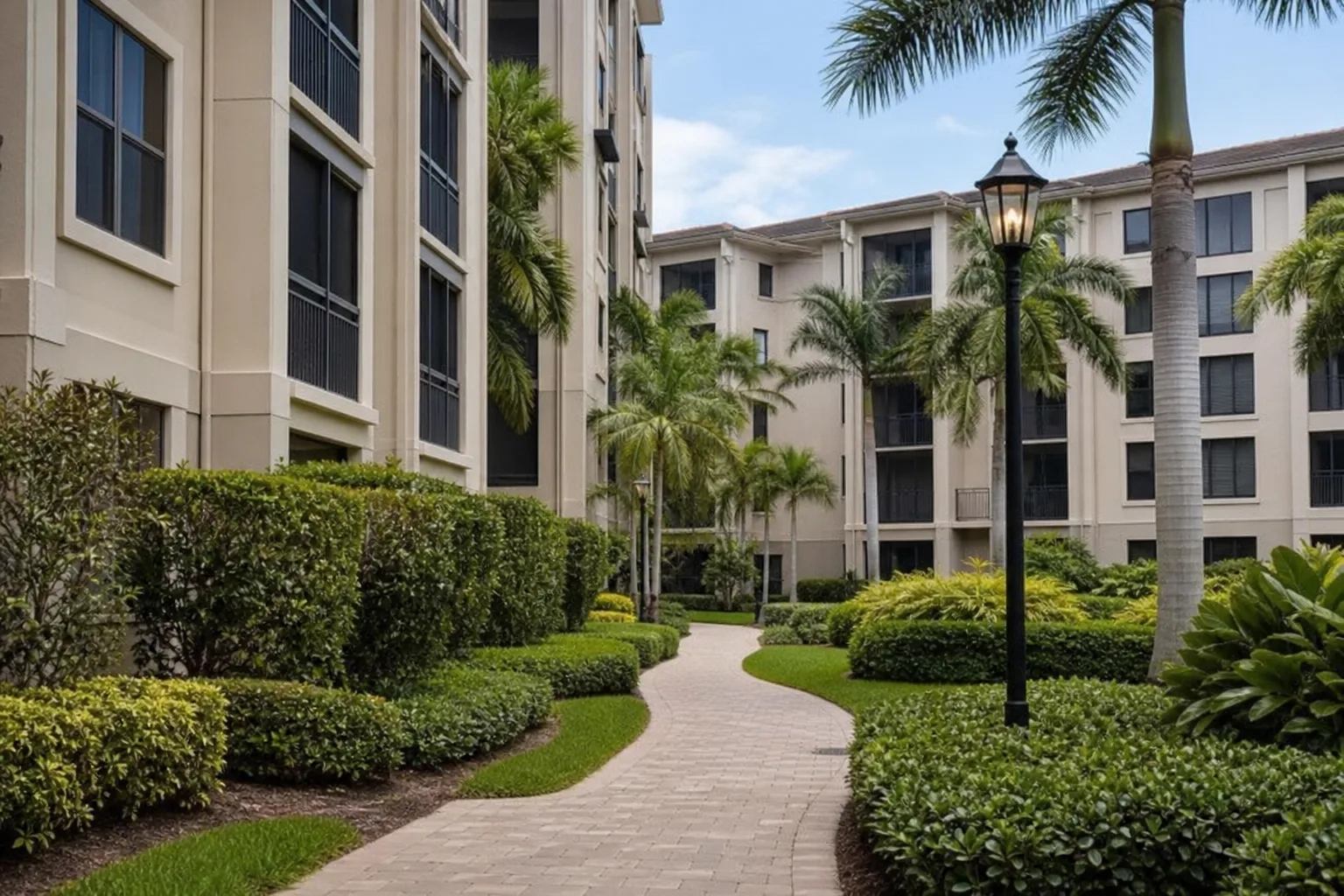
An association deductible can also create an assessment. Florida wind or hurricane deductibles can be significant because they may be percentage based. A unit-owner policy may provide some coverage for a deductible assessment, but a special sublimit can apply. Ask for the exact amount rather than assuming the full loss-assessment limit is available.
Common Reasons an Assessment Is Not Covered
Routine maintenance and deferred upkeep are common reasons an association raises funds, but insurance is designed for covered fortuitous events rather than predictable operating expenses. Roof replacement due only to age, painting, landscaping, reserve funding, or planned upgrades generally should not be treated as automatically insured.
Flood and earth movement can also create gaps when the unit-owner policy excludes the underlying cause. A separate flood policy or endorsement may be relevant, but its treatment of assessments must be reviewed separately. Wind, water intrusion, repeated leakage, wear, construction defects, and neglect can receive different treatment under different contracts.
Assessments tied to decisions made before you bought the unit can present timing questions. So can an assessment issued during one policy period for an event that happened during another. Request the full documentation before paying when practical, notify the insurer promptly, and follow claim instructions. Late notice can make the review harder.
Limits and Sublimits Need a Dollar Review
Loss assessment coverage often begins with a modest included limit, and higher limits may be available by endorsement. The appropriate amount depends on the association’s size, shared property, insurance limits, deductibles, financial position, and the unit owner’s tolerance for an unexpected bill. A large condominium tower and a small low-rise association do not present identical exposures.
Translate the association’s deductibles into a possible per-unit amount. The final allocation may not be equal because governing documents can assign shares by ownership percentage or another formula. Ask the board or manager how deductibles and uninsured losses are allocated, and verify the answer in the governing documents.
Do not confuse the HO-6 property deductible with the loss assessment limit. One applies to your direct covered claim, while the other caps an eligible assessment payment. A deductible or special sublimit may also apply inside the loss assessment provision itself.
Hurricane, Wind, and Flood Questions for Florida Condos
Southwest Florida associations may carry large wind deductibles. Owners should request the master-policy deductible before hurricane season and after each renewal. Compare it with the association’s reserves and the allocation method. This does not predict that an assessment will occur, but it makes the potential exposure less abstract.
Confirm how your HO-6 treats wind-driven rain, interior water damage, and association deductible assessments. The master policy may repair common property while the unit owner remains responsible for personal property, improvements, temporary living expenses, or an assigned share. Each payment still depends on its policy and facts.

Flood deserves a separate review. The National Flood Insurance Program and private flood policies use their own forms and rules. Neither an HO-6 label nor an association flood policy proves that every interior item, temporary living expense, or owner assessment is covered. Ask which building and contents interests are insured and whether the limits match current values.
Documents to Collect From the Association
Request the declarations or insurance summary for property, general liability, directors and officers, crime, flood, and any other material association coverage. Collect current deductibles, limits, and valuation terms. The association manager or board may need to obtain details from its broker.
Review the condominium declaration, bylaws, and maintenance responsibilities. Insurance cannot be matched correctly without knowing which party must repair each part of the building. Pay special attention to unit improvements, windows and doors, plumbing lines, air-conditioning equipment, balconies, and limited common elements.
Also review the latest budget, reserve information, engineering reports, and pending assessment notices available to owners. These materials do not create coverage, but they help you understand the association’s finances and known projects. For legal interpretations of governing documents or Florida condominium law, consult a qualified attorney.
What to Do When You Receive an Assessment Notice
Notify your insurance agency or carrier promptly, even if you are unsure whether the assessment qualifies. Provide the notice, amount, due date, board resolution, cause of the underlying loss, event date, master-policy claim information, deductible, settlement documents, and allocation formula. Ask what additional proof is required.
Do not rely only on a one-page demand. A carrier needs to determine why the assessment was made and whether the cause fits the policy. Keep correspondence and proof of payment. If the association’s description changes or additional documents arrive, forward them.
Coordinate direct damage and assessment claims. A storm could damage your unit contents while also producing an association assessment. Those may involve different sections, limits, and deductibles. Clear records help separate the expenses.
Questions to Ask During an HO-6 Review
Ask for the current loss assessment limit and any separate cap for association deductibles. Confirm the covered causes, liability treatment, exclusions, deductible, and notice requirements. Ask whether higher limits are available and what they cost.
Compare the policy with the master insurance and governing documents. Review building-property coverage for owner responsibility, personal property, additional living expense, personal liability, water backup, flood, and wind provisions. Bassine’s home insurance page is a useful starting point for the residential coverage discussion.
Repeat this review after the association changes carriers, raises a deductible, completes major renovations, updates governing documents, or issues an assessment. The unit owner’s policy and master policy should not be reviewed in isolation.
Frequently Asked Questions About Condo Loss Assessment Coverage
Does loss assessment coverage pay every special assessment?
No. It generally requires a covered type of loss or liability under the policy. Maintenance, reserves, planned upgrades, and excluded causes may not qualify.
Can it pay my share of the association’s hurricane deductible?
It may provide limited coverage when the policy terms and underlying event qualify, but a special sublimit can apply. Verify the exact deductible-assessment provision.
How much condo loss assessment coverage should I carry?
There is no universal amount. Review the association’s property values, deductibles, reserves, allocation method, and liability limits, then compare available HO-6 limits.
Should I wait for the association claim to finish before reporting the assessment?
No. Report it promptly and provide the documents available. The carrier or agency can identify what additional master-policy or association records are needed.
To review condo loss assessment coverage alongside the association’s master policy and your HO-6 limits, contact Bassine Insurance Agency or call (239) 995-0333. Request the association’s current insurance and deductible information before the conversation. Coverage, eligibility, limits, exclusions, deductibles, and claim decisions depend on the policies and the facts of the assessment.