Ensuring a Bright Future: A Guide to Life Insurance

life insurance

Life is full of uncertainties, and while we may not always be able to control what happens, it is crucial to be prepared for the unexpected. One way to ensure that your loved ones remain financially secure in your absence is through the purchase of a well-thought-out life insurance policy. A comprehensive life insurance plan not only guarantees that your family will be taken care of in the event of your passing, but it also serves as a powerful financial tool and an integral aspect of a diversified personal finance portfolio.

With the multitude of policy types and coverage options available, understanding life insurance policies can be overwhelming for many individuals. Bassine Insurance is dedicated to providing educational resources and guidance necessary to navigate the world of life insurance with ease and confidence. In this informative blog post, we will delve deep into the basics of life insurance, addressing aspects such as the several types of life insurance policies, considerations for selecting the appropriate coverage, and the distinct advantages that life insurance provides for your loved ones and their financial future.

As an experienced insurance provider, Bassine Insurance is committed to helping you secure the ideal life insurance policy that aligns with your unique needs and preferences. Trust our knowledgeable and empathetic team to guide you through the complexities of life insurance, ensuring the financial stability of your loved ones even in the face of life’s uncertainties. Begin your journey to a well-protected tomorrow by understanding the essentials of life insurance in this valuable blog post.

Types of Life Insurance Policies

life insurance

1. Term Life Insurance

Term life insurance is a straightforward and affordable type of policy that offers coverage for a specified period or “term,” typically ranging from 10 to 30 years. If the policyholder passes away within the term, their beneficiaries receive a tax-free death benefit. Term life insurance is ideal for individuals seeking temporary coverage to protect their loved ones during certain life stages, such as raising children or paying off a mortgage.

2. Whole Life Insurance

Whole life insurance offers lifelong protection for policyholders and includes a guaranteed death benefit paid to beneficiaries upon the insured’s death. Apart from the death benefit, whole life insurance policies build cash value over time as a portion of each premium paid is allocated toward a tax-deferred savings account within the policy. Policyholders can borrow against the cash value or use it to pay premiums later in life. This type of policy is suited for individuals seeking long-term financial security and a potential source of savings for the future.

3. Universal Life Insurance

Universal life insurance is a flexible type of permanent life insurance policy that combines a death benefit with a cash value component similar to whole life insurance. Universal life policies allow policyholders to adjust their premium payments and death benefit amounts over time, providing flexibility to adapt to changing financial needs. The cash value of a universal life policy accrues interest at a rate determined by the insurance company, offering potential growth opportunities over time.

4. Indexed Universal Life Insurance

Indexed universal life insurance is a variation of universal life insurance that offers policyholders the opportunity to earn potentially higher interest rates on the policy’s cash value component based on the performance of a stock market index, such as the S&P 500. While indexed policies typically come with a guaranteed minimum interest rate, they may also cap the maximum rate of interest earned, which can limit potential gains during particularly strong market years.

Considerations for Selecting a Life Insurance Policy

life insurance

1. Identify Your Coverage Needs

Before purchasing a life insurance policy, evaluate your coverage needs based on factors such as your current financial obligations, future expenses, and your family’s long-term goals. Consider costs such as funeral expenses, mortgage and debt payments, and funding for your children’s education or your spouse’s retirement. Understanding your specific coverage requirements can help you make informed decisions about the type of policy and coverage amount most suitable for your unique situation.

2. Assess Your Budget

Life insurance premiums can vary significantly depending on factors like age, health, coverage amount, and type of policy. Carefully assess your budget to determine the amount you can comfortably allocate toward a life insurance policy without impacting your current financial commitments and lifestyle.

3. Work with a Trusted Insurance Professional

Navigating the complexities of life insurance can be overwhelming, which is why partnering with a knowledgeable and empathetic insurance agent offers invaluable support and guidance. An agent can help you determine the most appropriate policy type and coverage amount based on your unique needs and answer any questions you may have about life insurance.

4. Regularly Review and Update Your Policy

As your personal circumstances and financial objectives evolve over time, so too should your life insurance policy. Regularly review your policy to ensure it remains up-to-date and relevant, making necessary adjustments to coverage amounts or policy types as needed. This proactive approach will guarantee that your loved ones remain financially protected through every stage of life.

Conclusion

Life insurance is a crucial component of securing the financial futures of your loved ones and providing much-needed peace of mind during life’s uncertainties. By understanding the different policy types and carefully considering factors such as your coverage needs, budget, and long-term financial goals, you can create a personalized life insurance plan perfectly tailored to protect those who matter most to you. 

At Bassine Insurance, our experienced team of specialists is dedicated to helping you navigate the world of life insurance, offering the professional guidance and caring support needed to make the right decisions for your unique needs and lifestyle. Secure your family’s financial future today by partnering with our trusted team to find the ideal life insurance solution that offers lasting protection and peace of mind.

Helpful Resources

Frequently Asked Questions

What is the difference between term and whole life insurance?

Term life provides coverage for a set period at lower premiums. Whole life provides lifetime coverage and builds cash value but costs more. The right choice depends on your age, budget, and goals.

How much life insurance do I need?

A common rule is 10-15 times your annual income. Consider your mortgage, education costs, and spouse’s needs. Call Bassine Insurance at (239) 995-0333 for a free consultation.

Do I need life insurance if I am retired?

Retirees may benefit from life insurance to cover funeral expenses, leave an inheritance, pay debts, or support a surviving spouse.

Get a Free Insurance Quote Today

Bassine Insurance Agency has been protecting Fort Myers families for over 30 years. Call (239) 995-0333 or request a free quote online.

Auto Insurance 101: Importance of Adequate Coverage & Choosing the Right Policy

auto insurance

Driving a car has become an integral part of our daily lives, providing us the freedom to travel, work, and enjoy our leisure time. However, with this convenience comes tremendous responsibility, as car accidents can lead to severe consequences for ourselves, our passengers, and others on the road. Auto insurance is pivotal in safeguarding us from the financial aftermath of accidents and securing peace of mind while driving. Given the multitude of auto insurance options available, understanding the importance of adequate coverage and how to choose the right policy tailored to each driver’s specific needs is crucial. Bassine Insurance is dedicated to providing educational and informative resources, helping drivers make sound decisions regarding their auto insurance needs.

A standard auto insurance policy comprises several types of coverage, each addressing different aspects of potential risks and liabilities involved in driving. For instance, liability coverage is a legal requirement in most states, which shields drivers from financial burdens resulting from bodily injury or property damage they cause in an accident. Then there’s collision and comprehensive coverage, repair or replacement costs, and personal injury protection, among other coverage types. Understanding these options empowers drivers to make informed choices about their auto insurance policies.

The consequences of insufficient auto insurance coverage can be disastrous, leading to hefty out-of-pocket expenses, legal trouble, and lost assets. As such, recognizing the importance of securing adequate coverage cannot be overstated. Consider factors like the value of the vehicle, the degree of usage, and potential hazards when determining the right amount of coverage for your unique situation.

When it comes to choosing the right auto insurance policy, several elements must be considered, such as your driving history, the type of car you own, and even your geographical location. Additionally, understanding insurance discounts and how your choices affect your premiums can serve to optimize both the protection and affordability of your policy.

In this blog, we’ll delve into the nuances of auto insurance coverage, exploring different types and their significance, emphasizing the importance of adequate coverage, and sharing insights into choosing the ideal policy for your specific needs. By the end of this comprehensive guide, you’ll be equipped with the knowledge and confidence to make well-informed decisions about auto insurance, ensuring the safety and legal protection of yourself and others on the road.

Auto Insurance – Understanding the Importance of Adequate Coverage and How to Choose the Right Policy

auto insurance

Breaking Down Auto Insurance Coverage Types

1. Liability Coverage

Liability coverage is the foundation of any standard auto insurance policy, and it is required by law in most states. This coverage protects you from financial responsibility if you’re found at fault for an accident that results in bodily injury or property damage to others. Liability insurance is typically split into two components: Bodily Injury Liability (BIL) and Property Damage Liability (PDL). Consider potential medical expenses, lost wages, and property repair costs when determining appropriate liability coverage limits for your policy.

2. Collision and Comprehensive Coverage

Collision coverage provides financial protection for damages to your vehicle resulting from an accident, regardless of who is at fault. Conversely, comprehensive coverage covers damages to your car from risks such as theft, vandalism, and natural disasters. Both types of insurance are not mandated by law, but they are usually required if you have a loan or lease on your vehicle. When choosing coverage limits, consider your vehicle’s actual cash value and potential repair or replacement expenses.

3. Personal Injury Protection (PIP) and Medical Payments Coverage

Personal Injury Protection, also known as “no-fault” insurance, covers medical expenses and lost wages for you and your passengers, without regard to who is at fault for an accident. PIP coverage varies by state and may include additional benefits for services such as rehabilitation or essential tasks. Medical Payments Coverage, on the other hand, solely caters to medical expenses for you and your passengers, regardless of fault. Assess your health insurance coverage and personal financial situation to select the right amount of PIP or medical payments coverage.

4. Uninsured/Underinsured Motorist Coverage

Uninsured Motorist (UM) coverage protects you if you’re in an accident caused by a driver who doesn’t carry the legally required liability insurance. Similarly, Underinsured Motorist (UIM) coverage applies when the at-fault driver’s liability limits are insufficient to cover the damages they caused. Both UM and UIM insurance can cover bodily injury and property damage expenses, depending on the type of policy you choose. Consider potential accident costs and your financial safety net when determining appropriate UM and UIM coverage limits.

Importance of Adequate Auto Insurance Coverage

1. Financial Protection

Inadequate auto insurance coverage can lead to significant out-of-pocket expenses in case of an accident, putting you at risk of financial turmoil. By obtaining sufficient insurance, you shield yourself from potential debt, legal trouble, and loss of assets.

2. Legal Compliance

Fulfilling state-mandated liability insurance requirements is essential to keep your driver’s license and registration valid. Furthermore, maintaining the appropriate coverage prevents fines, penalties, and even license suspension or jail time in some cases.

3. Peace of Mind

Knowing that you and your loved ones are protected in the event of an accident offers invaluable peace of mind. By securing appropriate coverage, you can drive with confidence, focusing on the road and the well-being of your passengers.

Choosing the Right Auto Insurance Policy

1. Assess Your Driving Needs and Risks

Consider factors such as your vehicle’s make, model, and age, how much you drive, and whether you own or lease the car. Additionally, your driving habits, location, and the potential for accidents or theft should be factored into your policy selection.

2. Compare Quotes from Multiple Insurance Providers

Request quotes from multiple insurance companies to find the best coverage and rates for your unique situation. Compare not only the price of the policy but also the available coverage options, offered discounts, and quality of customer service.

3. Understand and Utilize Eligible Discounts

Insurance providers offer various discounts for drivers with good driving records, low annual mileage, or additional safety features on their vehicles. Additionally, bundling auto insurance with other policies, such as homeowner’s or renter’s insurance, can lead to significant savings. Make sure to inquire about available discounts when shopping for auto insurance.

4. Periodically Review Your Policy

Regularly review and update your auto insurance policy to ensure it remains reflective of your needs and situation. Factors such as the aging of your vehicle, changes in driving patterns, and fluctuations in market rates are all valid reasons to reassess your coverage.

Conclusion

Car Insurance

Adequate auto insurance coverage is vital in safeguarding the financial well-being, legal compliance, and peace of mind of every driver. By understanding the various types of auto insurance and their relevance, appreciating the importance of sufficient coverage, and implementing best practices in selecting an appropriate policy, drivers can effectively protect themselves and others on the road. Bassine Insurance in Fort Myers is committed to offering trusted, reliable, and comprehensive insurance solutions, ensuring that you can navigate the complexities of auto insurance with confidence and support.

Helpful Resources

Frequently Asked Questions

What auto insurance coverage is required in Florida?

Florida requires a minimum of $10,000 in Personal Injury Protection (PIP) and $10,000 in Property Damage Liability (PDL). Most Fort Myers drivers benefit from additional coverage like collision, comprehensive, and uninsured motorist protection.

How can I lower my auto insurance premiums in Fort Myers?

You can lower premiums by bundling auto with home insurance, maintaining a clean driving record, taking defensive driving courses, and raising your deductible. Call Bassine Insurance at (239) 995-0333 for a free rate comparison.

Does auto insurance cover hurricane damage to my car?

Comprehensive coverage protects your vehicle from hurricane damage including flooding, falling trees, and wind damage. Liability-only policies do not cover weather-related damage to your own vehicle.

Get a Free Insurance Quote Today

Bassine Insurance Agency has been protecting Fort Myers families for over 30 years. Call (239) 995-0333 or request a free quote online.

The Importance of Renter’s Insurance: Protecting Your Belongings and Personal Liability

Renter's Insurance

As a renter, you might assume that your landlord’s insurance policy will safeguard you and your belongings in the event of an incident like theft, fire, or property damage. However, in most cases, your landlord’s policy only covers the building structure itself and not the personal possessions of tenants or their liability. Consequently, without renter’s insurance, you could be left vulnerable to significant financial losses should an unexpected misfortune take place.

Recognizing the importance of renter’s insurance, Bassine Insurance is dedicated to educating individuals and families about the diverse benefits of this coverage, as well as assisting them in finding the right policy for their unique needs. In this informative blog post, we will delve into the crucial aspects of renter’s insurance, including the components of a standard policy, the practical advantages of securing this coverage, and essential tips for determining the most suitable policy for your circumstances.

By understanding the fundamental role of renter’s insurance in protecting your belongings and personal liability, you can confidently safeguard your financial future and ensure peace of mind in an ever-changing world. With the guidance and support of Bassine Insurance’s experienced professionals, you can navigate the complexities of renter’s insurance and secure the coverage that best aligns with your personal needs and priorities.

Key Components of a Standard Renter’s Insurance Policy

home insurance

1. Personal Property Coverage

One of the primary aspects of renter’s insurance is personal property coverage, which provides financial protection for your belongings in the event of theft, fire, water damage, or other covered incidents. It is important to note that each renter’s insurance policy will have a coverage limit – the maximum amount the insurance company will pay for a claim. To ensure adequate coverage, consider estimating the value of your personal possessions and selecting a policy with a limit that accurately reflects their worth.

2. Liability Coverage

Liability coverage is another essential component of a renter’s insurance policy, protecting you from financial responsibility in the event that you unintentionally cause harm to others or damage their property. For instance, if a guest is injured in your rented home or you accidentally cause damage to a neighbor’s property, your renter’s insurance liability coverage will typically cover the associated medical costs, legal fees, and damages up to your policy’s limit.

3. Additional Living Expenses Coverage

Renter’s insurance policies often include additional living expenses (ALE) coverage, designed to provide financial support if you are temporarily displaced from your rented home due to a covered event, such as a fire or severe water damage. ALE coverage can help cover the costs of alternative accommodations, meals, and other necessary expenses incurred while you are unable to reside in your rented dwelling.

4. Optional Coverages and Endorsements

Depending on your individual needs, you may choose to add optional coverages or endorsements to your renter’s insurance policy for added protection. Some common examples include increased coverage for high-value items, such as jewelry or electronics, as well as coverage for natural disasters like floods or earthquakes that may not be included in standard policies.

Practical Advantages of Renter’s Insurance

mobile home park insurance

1. Protection for Your Valuables

The primary benefit of securing renter’s insurance is the protection it offers for your personal belongings, covering a wide range of items such as clothing, furniture, appliances, and electronics. With this coverage in place, you can have confidence that you will receive financial assistance in replacing or repairing your valuables if they are damaged or stolen due to a covered event.

2. Financial Security in Liability Cases

Renter’s insurance helps safeguard your financial well-being by providing essential coverage for personal liability claims. This protection can prove invaluable if you are faced with costly legal disputes, medical bills, or property damage expenses resulting from an accident or incident that occurs in your rented home.

3. Peace of Mind

Renter’s insurance ultimately offers peace of mind, allowing you to focus on your day-to-day life without constant worry about potential financial losses stemming from unexpected events. With a comprehensive renter’s insurance policy in place, you can enjoy the assurance that your belongings and personal liability are well-protected.

Expert Tips for Choosing the Right Renter’s Insurance Policy

1. Assess Your Personal Belongings and Liability Risks

Begin by evaluating your personal possessions and potential liability risks, taking into account the specific items you own and the likelihood of facing liability claims. This assessment will aid in determining the coverage limits and optional add-ons that are most appropriate for your individual circumstances.

2. Compare Policy Offerings and Prices

Before selecting a renter’s insurance policy, make sure to compare various options, considering factors such as coverage limits, deductibles, premiums, and available discounts. By thoroughly researching your options, you can make an informed decision on the most suitable coverage for your unique needs.

3. Seek Guidance from a Trusted Insurance Professional

Consult with a reputable insurance agent or broker who can provide personalized advice on selecting the best renter’s insurance policy for your situation. These professionals possess the expertise needed to answer questions, address concerns, and help you navigate the complexities of renter’s insurance coverage.

4. Periodically Review and Update Your Coverage

As your personal possessions and liability risks may change over time, it is essential to routinely review and adjust your renter’s insurance coverage accordingly. This process will ensure that your policy remains relevant and suitable for your current needs and circumstances.

Conclusion

Renter’s insurance plays a crucial role in safeguarding your personal belongings and providing essential liability protection, ensuring your financial well-being in the face of life’s unforeseen challenges. By understanding the key components of a standard renter’s insurance policy, recognizing the practical advantages of this coverage, and implementing expert tips in selecting the right policy, you can confidently enjoy peace of mind in your rented dwelling. 

It’s important to partner with the right Fort Myers insurance agency that puts your needs first. The team at Bassine Insurance is committed to offering personalized guidance and tailored insurance solutions to help you navigate the complexities of renter’s insurance and secure the coverage that best meets your needs and priorities.

Helpful Resources

Frequently Asked Questions

Is renters insurance required in Florida?

Not by law, but many Fort Myers landlords require it. It protects your belongings and provides liability coverage at a low cost.

How much does renters insurance cost?

Typically $15-$30 per month in Fort Myers, covering personal property, liability, and additional living expenses.

What does renters insurance cover?

It covers personal belongings against theft, fire, and certain weather events, plus liability and additional living expenses if displaced.

Get a Free Insurance Quote Today

Bassine Insurance Agency has been protecting Fort Myers families for over 30 years. Call (239) 995-0333 or request a free quote online.

Home Insurance: Learning Coverage Basics & How Claims Work

home insurance

Owning a home is a dream come true for many people, but it also comes with responsibilities and uncertainties. One critical aspect of homeownership is ensuring your investment, belongings, and family are protected by the right home insurance policy. Amid countless policy options and complex terms, it’s vital to understand home insurance basics and common practices.

A typical home insurance policy provides financial protection from various possible threats, including natural disasters, theft, vandalism, personal liability, and more. For first-time homebuyers or those looking to reassess their current coverage, it’s helpful to know the available coverage types and how they work. 

In this blog, we’ll explore all these aspects, providing helpful, educational material for homeowners to make well-informed decisions and safeguard their home and family. By the end of this comprehensive guide, you’ll better understand home insurance coverage, cost factors, and claims, empowering you with the knowledge to protect your most prized asset—your home.

Understanding the Types of Home Insurance Coverage

Homeowners Insurance

1. Dwelling Coverage

Dwelling coverage is the backbone of any standard home insurance policy. It protects the physical structure of your home and any permanently attached fixtures, such as plumbing, electrical systems, and built-in appliances. This coverage reimburses you for losses caused by covered perils, such as fire, windstorms, hail, or vandalism.

The amount of dwelling coverage you need should be based on the cost of rebuilding your home, not its market value. It’s essential to evaluate this amount periodically, considering any home improvements or fluctuations in construction costs.

2. Personal Property Coverage

Personal property coverage safeguards the belongings inside your home, such as furniture, electronics, and clothing. This coverage applies to losses resulting from covered perils, including theft and damage from fires or storms. Keep in mind that certain possessions, like jewelry, antiques, or artwork, may require additional coverage in the form of an endorsement or floater to fully protect their value. Creating a home inventory list with details and photos of your belongings can be incredibly valuable in the event of a claim.

3. Liability Coverage

Liability coverage is designed to protect you if someone is injured on your property or you cause harm to someone else’s property. This coverage can help pay for medical expenses, legal fees, and settlements in case of a lawsuit. It’s essential to evaluate your assets and potential risks when determining the right amount of liability coverage for your home insurance policy.

4. Additional Living Expenses (ALE)

Also known as Loss of Use, ALE coverage kicks into action if your home becomes uninhabitable due to a covered peril, such as a fire or storm. This vital coverage assists with temporary living expenses, including rent, hotel bills, and even extra costs for food and transportation. ALE coverage is typically calculated as a percentage of your dwelling coverage, so keep this in mind when selecting limits and reviewing your policy regularly.

Factors Affecting Home Insurance Costs

mobile home insurance

1. Age and Construction of Your Home

Newer homes tend to have lower insurance premiums, as they often feature modern construction techniques and materials that can better withstand potential damage. Additionally, updated plumbing, wiring, and heating systems decrease the risk of damage due to fire, flooding, or other accidents.

2. Location

Your home’s location can significantly impact insurance costs, especially if it’s in an area prone to floods, earthquakes, hurricanes, or other natural disasters not typically included in a standard home insurance policy. Additionally, proximity to fire departments or hydrants can positively impact your premium, while high crime rates could lead to higher costs.

3. Personal Belongings

The value of your personal property affects the amount of coverage you’ll need, and, consequently, your premium. Conducting a home inventory and keeping it updated will help you accurately assess your personal belongings’ value and adequately cover your assets.

4. Safety Features and Upgrades

Installing safety features such as smoke detectors, burglar alarms, and sprinkler systems can result in insurance discounts, which directly contribute to risk reduction. Updating roofing materials or retrofitting your home to improve structural resilience against natural disasters can also lower your insurance costs.

Navigating the Home Insurance Claims Process

1. When and How to File a Claim

When faced with a potential claim, it’s crucial to quickly assess the damage, considering your policy deductible and the potential impact on future premiums. Reach out to your insurance agent to discuss the situation and then file a claim if advised to do so.

2. Documenting and Providing Evidence

Photograph or video-record the affected area and create a detailed list of damaged or lost items, including their age, purchase price, and estimated replacement cost. Submit this evidence to your insurer, along with all necessary claim forms, within the specified timeframe.

3. Working with Adjusters and Contractors

An insurance adjuster will investigate your claim, assess the damage and estimate repair costs. Cooperate with the adjuster, but also seek independent estimates, as this gives you a clearer understanding of how different contractors value the necessary repairs.

4. Tracking and Completing the Claims Process

Stay informed about your claim’s progress, asking for updates and any required follow-ups. Keep records of all communication with your insurers, including dates, names, and key details. This will help ensure a smoother experience and achieve an equitable outcome.

Final Thoughts

Understanding the ins and outs of home insurance is vital for every homeowner. By familiarizing yourself with the types of coverage available, factors influencing costs, and the claims process, you will be better prepared to make informed decisions that protect your investments, assets, and family.

Bassine Insurance Agency is committed to helping homeowners navigate the complexities of home insurance, ensuring peace of mind and security through our comprehensive range of insurance products and services. We offer the best homeowners insurance in Fort Myers — the coverage you need at a price that fits your budget. Message us to request a quote today!

Helpful Resources

Frequently Asked Questions

What does homeowners insurance cover in Florida?

Standard homeowners insurance covers your dwelling, personal property, liability, and additional living expenses. It does not cover flood damage — you need a separate flood insurance policy for that.

How much homeowners insurance do I need in Fort Myers?

Your coverage should rebuild your home at current construction costs. Fort Myers homeowners should also consider windstorm and flood coverage. Call Bassine Insurance at (239) 995-0333 for a free review.

Does homeowners insurance cover hurricane damage?

Standard policies cover wind damage but NOT flood damage. Most Fort Myers homeowners need both homeowners and flood insurance for complete hurricane protection.

Get a Free Insurance Quote Today

Bassine Insurance Agency has been protecting Fort Myers families for over 30 years. Call (239) 995-0333 or request a free quote online.

Protect Your Ride: The Implication of Car Insurance

Car Insurance

As a car owner, you may think car insurance is an added expense. However, it is important to realize that having auto insurance is crucial for protecting yourself and your ride. This article will discuss the importance of car insurance and why you should work with an auto insurance agency.

Benefits of Car Insurance

Auto Insurance

Car insurance safeguards you financially in case of a casualty. Without insurance, you would pay for any damage or injuries you cause during a collision. This can quickly add up to thousands of dollars, which is financially devastating. However, with car insurance, you can have peace of mind knowing that your insurance company will cover the costs of any damages or injuries you handle.

Furthermore, it is mandatory to have car insurance in the majority of states as per legal requirements. This implies that if you are caught driving without insurance, you may be subjected to substantial fines, and your driving privileges might be revoked. Moreover, you could be responsible for any resulting damages or injuries in an accident without insurance coverage.

Why You Must Hire an Auto Insurance Agency

auto insurance

1. Understand Different Types of Policies

With the help of an experienced agent, you can easily handle the convoluted world of insurance and find a policy that perfectly fits your unique needs and budget. They can also help you understand the different types of coverage available, such as:

  • Liability coverage. This is the most rudimentary type of car insurance demanded by law in most states. This type of coverage pays for any damages or injuries you cause to other drivers’ property.
  • Collision coverage. This car insurance pays for any damages to your vehicle in the event of a collision. 
  • Comprehensive coverage. This policy is a more comprehensive type of coverage that covers a wide range of damages, such as theft, vandalism, and natural disasters.

2. Save Money on Car Insurance Premiums

Agents can connect you with various insurance companies and assess rates to find the most suitable option. They can also aid in identifying potential discounts you may be eligible for, such as being a safe driver, insuring multiple vehicles, or being a good student.

3. Provide Personalized Support and Guidance

If you ever find yourself in an unfortunate accident, rest assured that your dedicated agent is always available to help you file a claim and offer valuable guidance throughout the claims process. Additionally, they are on standby to address any questions or concerns you may have regarding your policy or coverage. Your peace of mind is their top priority, and they’ll do everything in our power to ensure that you receive the best possible assistance with your insurance needs.

Final Thoughts

Car insurance is essential for protecting your ride and financial well-being. It is also required by law in most states, so driving without insurance is not an option. When choosing a car insurance policy, working with an auto insurance agency you can trust is important.

An experienced agent can help you find the right coverage for your needs and budget and provide personalized support and guidance. So, if you haven’t already, invest in a car insurance policy today and protect yourself and your ride from any unforeseen circumstances.

Secure your peace of mind on the road with Bassine Insurance—the trusted auto insurance agency in Fort Myers. Our team of experts is committed to providing you with comprehensive coverage and competitive rates tailored to your unique needs. Protect your vehicle and your loved ones today with Bassine Insurance. Contact us for a personalized quote and join the thousands of satisfied customers who trust us with their insurance needs.

Helpful Resources

Frequently Asked Questions

What types of car insurance do I need in Florida?

Florida requires PIP and PDL coverage. We recommend adding collision, comprehensive, and uninsured/underinsured motorist coverage for full protection on Fort Myers roads.

How much does car insurance cost in Fort Myers?

Car insurance rates in Fort Myers vary based on your driving history, vehicle type, and coverage level. Bassine Insurance compares rates from multiple carriers to find the most affordable option. Call (239) 995-0333 for a free quote.

Can I get car insurance with a bad driving record?

Yes. Bassine Insurance works with carriers that offer coverage for high-risk drivers. We shop around to find you the best available rate.

Get a Free Insurance Quote Today

Bassine Insurance Agency has been protecting Fort Myers families for over 30 years. Call (239) 995-0333 or request a free quote online.

Everything You Need to Know About Flood Insurance Coverage

Flood Insurance

Floods are undeniably one of the most devastating natural disasters that could cause extensive damage to properties. According to FEMA or the Federal Emergency Management Agency, even just an inch of water in a home can lead to $25,000 worth of damage. Sadly, standard homeowners’ insurance policies do not cover flood damage. That is where flood insurance comes in. 

This blog will discuss what flood insurance is and what it covers:

What Is Flood Insurance?

Flood Insurance

Flood insurance is a kind of insurance policy that covers property damage caused by flooding. It is offered by the National Flood Insurance Program (NFIP), a federal program managed by FEMA. The program aims to minimize the impact of flooding on both private and public structures by providing affordable insurance to property owners in high-risk areas.

What Does Flood Insurance Cover?

flood insurance

Flood insurance covers damage to buildings and personal property caused by flooding. It is essential to note that the coverage limits and deductibles vary depending on the policy. Here are some of the things that flood insurance typically covers:

Building Property Coverage

Building property coverage pays for damage to the structural components of your home caused by floods. The coverage includes:

  • Foundation, walls, and staircases
  • Electrical and plumbing systems
  • Central air conditioning and heating systems
  • Built-in appliances like refrigerators, stoves, and dishwashers
  • Permanently installed carpeting, paneling, and bookcases
  • Window blinds and curtains
  • Detached garages

Personal Property Coverage

Personal property coverage pays for damages to your personal belongings caused by floods. The coverage includes:

  • Furniture like sofas, chairs, and tables
  • Electronics like televisions, computers, and speakers
  • Clothing and bedding
  • Portable air conditioners and microwaves
  • Washer and dryer
  • Freezers and food stored in them

Certain valuables like artwork, jewelry, and furs may have limited coverage.

What Flood Insurance Does Not Cover?

It is essential to note that flood insurance doesn’t cover all types of damages caused by floods. Here are some of the things that flood insurance does not cover:

  • Damage that is caused by moisture, mildew, or mold that the property owner could have avoided
  • Currency, precious metals, and valuable papers, including stock certificates
  • Temporary housing or living expenses incurred due to flood damage
  • Cars and other vehicles
  • Outdoor fixtures like swimming pools, hot tubs, and decks

Cost of Flood Insurance

The cost of flood insurance depends on various factors, like the property’s location, the age of the property, the type of coverage, and the deductible. Properties located in high-risk flood zones like coastal areas or near rivers and lakes will have higher premiums than those in low-risk zones. The average cost of a flood insurance policy is around $700 per year, but the cost may vary significantly depending on the factors mentioned above.

How to Purchase Flood Insurance?

Flood insurance is available to homeowners, renters, as well as business owners. The insurance is offered by licensed insurance agents who work with the NFIP. It is essential to note that flood insurance policies have a 30-day waiting period before becoming effective. So, it is recommended to purchase flood insurance well before the flood season.

Conclusion

Flood insurance is a crucial coverage that protects property owners from the damages caused by floods. It is vital to understand what flood insurance covers and what it doesn’t for you to make an informed decision. If you live in a high-risk flood zone, it is highly recommended to purchase flood insurance from a reputable insurance agency.

Bassine Insurance is a reliable insurance agency in Fort Myers offering a variety of insurance options, such as flood insurance, to secure your valuable possessions. We are focused on providing tailored solutions that safeguard the valuable assets and well-being of individuals and businesses. Feel free to reach out to us to discuss your unique insurance needs and let our experts help you and your family!

Frequently Asked Questions

Do I need flood insurance in Fort Myers?

If you live in a FEMA flood zone, your lender will require it. Even outside high-risk zones, flood insurance is recommended — over 25% of flood claims come from low-to-moderate risk areas.

How much does flood insurance cost in Fort Myers?

NFIP premiums in Fort Myers range from $400 to $2,000+ per year depending on flood zone, elevation, and coverage. Private flood insurance may offer lower rates. Call (239) 995-0333 to compare.

What is the 30-day waiting period for flood insurance?

NFIP flood policies have a 30-day waiting period before coverage begins. You cannot buy flood insurance once a storm is forecast and expect immediate coverage.

Get a Free Insurance Quote Today

Bassine Insurance Agency has been protecting Fort Myers families for over 30 years. Call (239) 995-0333 or request a free quote online.

7 Tips for Choosing the Best Fort Myers Auto Insurance Provider

auto insurance

When it comes to auto insurance, choosing the right provider is crucial. With so many options available, it can be overwhelming to find the best auto insurance agency in Fort Myers. However, by taking the time to research and compare different agencies, you can secure the best coverage for your needs. 


Here are seven essential tips to help you choose the best Fort Myers auto insurance provider.


1. Research and Compare

car insurance

Before choosing an auto insurance agency in Fort Myers, it’s essential to conduct thorough research. Start by checking online reviews and ratings on sites like Google, Yelp, and the Better Business Bureau. These reviews can give you a good idea of customer satisfaction and the overall reputation of the agency.

Additionally, talk to friends, family, and coworkers for recommendations. Word of mouth is often the best way to find a reliable auto insurance agency in Fort Myers.

2. Evaluate Financial Stability

auto insurance

An auto insurance provider’s financial strength is essential to ensure that they can fulfill their obligations to policyholders. Before selecting an insurance agency in Fort Myers, check their financial strength rating from reputable agencies such as A.M. Best, Standard & Poor’s, and Moody’s. A provider with a strong financial rating is more likely to be reliable and able to pay out claims promptly.

3. Assess Coverage Options

Not all auto insurance policies are created equal. When comparing different agencies, make sure to consider the coverage options they offer. Some of the standard coverage options include liability, collision, comprehensive, uninsured/underinsured motorist, and personal injury protection.

Consider your specific needs and choose a provider that offers the coverage options that best suit your requirements.

4. Compare Quotes

Price is a significant factor when it comes to choosing an auto insurance agency in Fort Myers. Request quotes from multiple providers, and compare them to ensure you’re getting the best deal. Keep in mind that the cheapest option may not always be the best choice, so weigh the cost against the coverage and services offered.

5. Check for Discounts

Many auto insurance providers offer discounts to attract customers, so be sure to inquire about any available discounts when comparing quotes. Common discounts include multi-policy, multi-vehicle, safe driver, and good student discounts. While these discounts can help you save money on your premium, make sure the overall coverage and service are still up to par.

6. Evaluate Customer Service and Claims Handling

Exceptional customer service and efficient claims handling are essential when dealing with an auto insurance agency. You want a provider that is responsive and easy to work with, particularly when you need to file a claim. Check online reviews and ask for recommendations from friends and family to gauge the level of customer service provided by each agency.

7. Choose a Local Provider

While there are many national and online-only auto insurance providers, choosing a local auto insurance agency in Fort Myers can offer several benefits. A local provider will have a better understanding of the specific insurance requirements in your area and can provide personalized service. Additionally, local providers are more accessible and may be more responsive to your needs.

Conclusion

Selecting the best Fort Myers auto insurance provider requires time and effort, but it’s worth it to ensure you have the right coverage and a reliable partner in case of an accident. By following these seven tips, you can find a trustworthy and affordable auto insurance agency that meets your needs and provides peace of mind on the road.

Are you looking for a reliable auto insurance agency in Fort Myers? Then look no further than Bassine Insurance! We offer a wide range of auto insurance coverage options that will suit any driver. Our team of experienced and knowledgeable agents is committed to helping their clients find the best coverage at the most affordable rates. Contact us today to get a free quote and see how we can assist you in finding the perfect auto insurance coverage for your needs!

Helpful Resources

Frequently Asked Questions

What types of car insurance do I need in Florida?

Florida requires PIP and PDL coverage. We recommend adding collision, comprehensive, and uninsured/underinsured motorist coverage for full protection on Fort Myers roads.

How much does car insurance cost in Fort Myers?

Car insurance rates in Fort Myers vary based on your driving history, vehicle type, and coverage level. Bassine Insurance compares rates from multiple carriers to find the most affordable option. Call (239) 995-0333 for a free quote.

Can I get car insurance with a bad driving record?

Yes. Bassine Insurance works with carriers that offer coverage for high-risk drivers. We shop around to find you the best available rate.

Get a Free Insurance Quote Today

Bassine Insurance Agency has been protecting Fort Myers families for over 30 years. Call (239) 995-0333 or request a free quote online.

Flood Insurance: Myths and Facts That You Need to Know

Flood Insurance

Floods are a common natural disaster that can cause severe damage to both homes and businesses. It is essential to have flood insurance to protect yourself from the financial burden of flood damage.

However, myths and misconceptions surrounding flood insurance can lead to confusion. In this article, we will explore the facts and myths about flood insurance.

Myth: Homeowner’s Insurance Policy Covers Flood Damage

The Flood Insurance Agency Company logo

One of the most common misconceptions about flood insurance is that a standard homeowner’s insurance policy covers flood damage. The truth is that homeowner’s insurance does not cover flood damage. Flood insurance is a separate policy you must purchase from an insurance agency.

Fact: Federal Government Offers Flood Insurance

storm damage

The National Flood Insurance Program (NFIP) is a federal program that offers flood insurance to homeowners, renters, and business owners. The program is administered by the Federal Emergency Management Agency (FEMA) and is available to anyone living in a community that participates in the program. The NFIP offers up to $250,000 in coverage for a home and up to $100,000 in coverage for personal property.

Myth: Flood Insurance Is Expensive

Many people believe that flood insurance is costly and not worth the investment. However, the cost of flood insurance depends on several factors, such as the location of your property, the level of risk, and the amount of coverage you need. In some cases, flood insurance can be affordable, especially if your property is in an area with a low risk of flooding.

Fact: Flood Insurance is Required in High-Risk Areas

If you live in a high-risk flood zone, your mortgage lender may require you to have flood insurance. High-risk flood zones are areas that have a 1% chance of flooding in any given year, also known as a 100-year flood zone. Flood insurance is mandatory in these areas to protect the lender’s investment and your property.

Myth: Flood Insurance Covers Everything

Another common misconception about flood insurance is that it covers all types of flood damage. Flood insurance policies have limitations and exclusions, and it is essential to understand what is covered and what is not covered.

For example, flood insurance does not cover damage caused by sewer backups or mold. It is crucial to read your policy carefully and understand the terms and conditions of your coverage.

Fact: Flood Insurance Has a Waiting Period

Flood insurance policies have a waiting period before they become effective. The waiting period is usually 30 days from the date of purchase, and it is designed to prevent people from purchasing flood insurance only when they see a flood warning. It is essential to purchase flood insurance well before the flood season to ensure you are adequately covered.

Myth: Only High-Risk Areas Need Flood Insurance

Many people believe that they do not need flood insurance if they do not live in a high-risk flood zone. However, floods can happen anywhere, and even a few inches of water can cause significant damage to your property. It is essential to assess your risk of flooding and consider purchasing flood insurance even if you do not live in a high-risk area.

Fact: Flood Insurance Can Save You Money

While flood insurance may seem unnecessary, it can save you money in the long run. The cost of flood damage can be significant, and without insurance, you may have to pay out of pocket for repairs and replacements. Flood insurance can help you avoid financial devastation in the event of a flood.

Conclusion

Flood insurance is essential to protect your home, business, and personal property from the damage caused by floods. It is crucial to understand the facts and myths about flood insurance to make an informed decision about purchasing coverage. Remember that flood insurance is not included in a standard homeowner’s insurance policy and that the federal government offers flood insurance through the National Flood Insurance Program. Contact an insurance agent to discuss your options for flood insurance and ensure that you are adequately covered.

Bassine Insurance is an insurance agency in Fort Myers that offers flood insurance and other types of coverage to protect your assets. Contact us today to learn more about how we can help you find the right insurance solutions for your needs. 

Helpful Resources

Frequently Asked Questions

Do I need flood insurance in Fort Myers?

If you live in a FEMA flood zone, your lender will require it. Even outside high-risk zones, flood insurance is recommended — over 25% of flood claims come from low-to-moderate risk areas.

How much does flood insurance cost in Fort Myers?

NFIP premiums in Fort Myers range from $400 to $2,000+ per year depending on flood zone, elevation, and coverage. Private flood insurance may offer lower rates. Call (239) 995-0333 to compare.

What is the 30-day waiting period for flood insurance?

NFIP flood policies have a 30-day waiting period before coverage begins. You cannot buy flood insurance once a storm is forecast and expect immediate coverage.

Get a Free Insurance Quote Today

Bassine Insurance Agency has been protecting Fort Myers families for over 30 years. Call (239) 995-0333 or request a free quote online.

Mobile Home Insurance: What it Covers and Why You Need It

Mobile Home Insurance

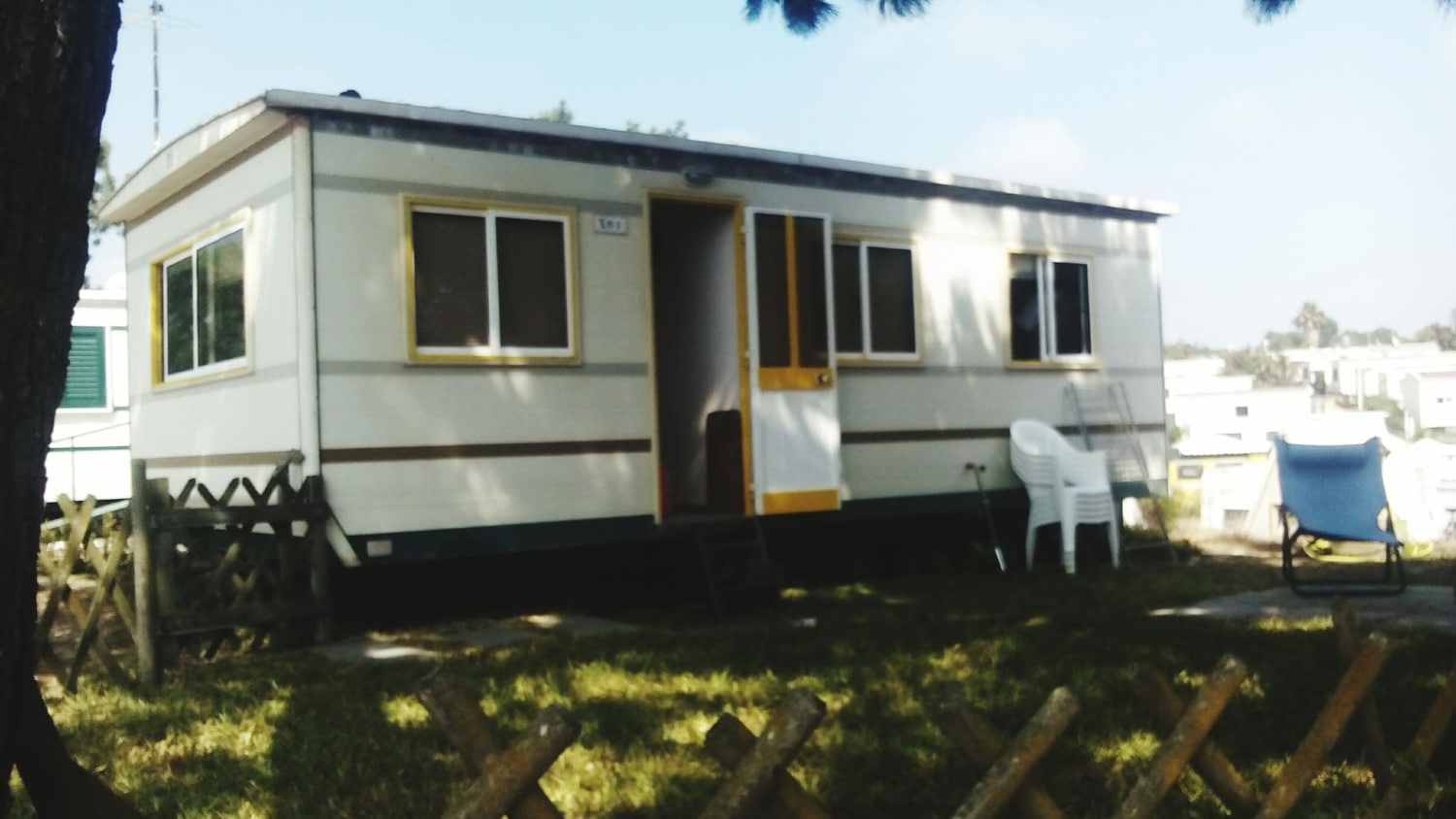
Mobile or manufactured homes are affordable housing options for many people. As a mobile homeowner, it’s essential to understand the unique risks of this type of dwelling and ensure that your property investment is well protected with the right insurance coverage. Mobile home insurance is specifically designed to cover the unique features of a mobile home and can provide comprehensive protection against various risks that may arise. 

This blog will discuss what mobile home insurance covers and why it’s essential today.

What Does Mobile Home Insurance Cover?

home insurance

Mobile home insurance is similar to a traditional homeowner’s insurance policy but specifically tailored to cater to mobile homes’ unique risks and requirements. Some of the primary coverages that are typically included in a mobile home insurance policy are:

1. Property Coverage

This type protects your mobile home and any attached structures, including a deck or porch, against damage or loss caused by various perils. Common perils covered under property coverage include fire, windstorms, hail, vandalism, and theft. 

It is important to note that specific perils, like floods and earthquakes, may not be fully covered under a standard mobile home insurance policy and may require additional coverage.

2. Personal Property Coverage

This coverage helps safeguard your personal belongings in the circumstances of damage or theft. This includes items such as furniture, electronics, clothing, and appliances. 

It is vital to properly assess the value of your belongings so that you can select an adequate coverage limit to replace your items in the event of a loss.

3. Liability Coverage

Liability coverage is essential for financially protecting yourself in case someone gets injured on your property or if you are legally responsible for causing damage to someone else’s property. 

This coverage can cover medical expenses, legal fees, and other costs related to a liability claim.

4. Additional Living Expenses (ALE) Coverage

Suppose your mobile home becomes uninhabitable due to a covered peril. In that case, ALE coverage can help pay for temporary living arrangements, such as hotel expenses, while your home is being repaired or replaced.

5. Optional Coverages

Add optional coverages to your mobile home insurance policy depending on your needs. Some of the common optional coverages include:

  • Replacement Cost Coverage: This coverage reimburses your mobile home and personal property at their current market value without accounting for depreciation.
  • Water Backup Coverage: This coverage can protect your mobile home from damage caused by water backup from sewers, drains, or sump pumps.
  • Trip Collision Coverage: If you plan to move your mobile home, this coverage can protect against damage that may occur during transit.

Why Do You Need Mobile Home Insurance?

Home insurance

There are several key reasons why mobile home insurance is essential for protecting your investment and ensuring your peace of mind:

1. Financial Protection: Mobile homes are susceptible to various risks, such as natural disasters, theft, and vandalism. With proper insurance coverage, you can handle significant out-of-pocket expenses to repair or replace your home and belongings after an unfortunate event.

2. Legal Requirements: If you have a mortgage on your mobile home, your lender may request you to carry a certain amount of insurance coverage to protect your investment. Additionally, some states may have specific insurance requirements for mobile homes.

3. Liability Protection: Accidents can happen, and without liability coverage, you may be financially responsible for any injuries or property damage on your property. Liability coverage can help protect your assets and provide financial support in case of a lawsuit.

Conclusion

Mobile home insurance is essential for protecting your investment and ensuring your peace of mind. By understanding the types of coverage available, considering any additional coverage choices that may be relevant to your situation, and shopping around for the best policy, you can ensure that you have the proper protection in place for your mobile home. Remember to periodically review and update your policy as needed to account for changes in your circumstances or the value of your property. 

The Bassine Insurance Agency is a highly reliable and comprehensive provider of various insurance products, catering to the diverse needs of its clients. With a vast array of offerings, such as life, health, auto, business, and mobile home insurance in Fort Myers, our agency is committed to delivering personalized solutions to protect individuals’ and businesses’ valuable assets and well-being. To discuss your specific insurance requirements, do not hesitate to contact us and allow our expertise to benefit you and your loved ones.

Helpful Resources

Frequently Asked Questions

What does homeowners insurance cover in Florida?

Standard homeowners insurance covers your dwelling, personal property, liability, and additional living expenses. It does not cover flood damage — you need a separate flood insurance policy for that.

How much homeowners insurance do I need in Fort Myers?

Your coverage should rebuild your home at current construction costs. Fort Myers homeowners should also consider windstorm and flood coverage. Call Bassine Insurance at (239) 995-0333 for a free review.

Does homeowners insurance cover hurricane damage?

Standard policies cover wind damage but NOT flood damage. Most Fort Myers homeowners need both homeowners and flood insurance for complete hurricane protection.

Get a Free Insurance Quote Today

Bassine Insurance Agency has been protecting Fort Myers families for over 30 years. Call (239) 995-0333 or request a free quote online.

Why Business Insurance Is Vital for Your Financial Security

business insurance

As a business owner, you are exposed to several risks and uncertainties that could threaten your company’s future. These risks include natural disasters, theft, lawsuits, and other events that could lead to significant financial losses. While you need to focus on growing your business, having a solid financial plan with business insurance is equally important.

What Is Business Insurance?

commercial insurance

Business insurance protects a company from financial losses resulting from unexpected events. These events could include property damage, liability claims, or loss of income due to business interruption. These policies are designed to meet the unique needs of each business, and they can be customized to include various types of coverage.

Types of Business Insurance

business insurance
  • General Liability Insurance: This insurance covers your business against claims of bodily injury, property damage, and advertising injury. It protects your business from lawsuits, medical expenses, and other costs associated with accidents on your premises or during business operations.
  • Property Insurance: Property insurance covers your business against damage or loss of property due to fire, theft, or other events. It includes coverage for your building, equipment, inventory, and other assets.
  • Business Interruption Insurance: If your business operations are interrupted due to an unexpected event such as a natural disaster, business interruption insurance can cover income loss that you would have earned during the period of interruption.
  • Cyber Liability Insurance: This type of insurance protects your business against losses from cyber-attacks such as data breaches and hacking. It includes coverage for data loss, legal fees, and other costs associated with cyber incidents.
  • Workers’ Compensation Insurance: A business is required by law to have workers’ compensation insurance, which offers coverage for employees who are injured or become ill while on the job. It covers medical expenses, lost wages, and rehabilitation costs.

The Benefits of Business Insurance

Having business insurance as part of your financial plan offers several advantages. Some of the notable ones are the following:

  • Financial Protection: Business insurance protects against unexpected events resulting in significant financial losses. This protection can help keep your business afloat during challenging times and prevent you from going bankrupt.
  • Peace of Mind: Knowing that your business is covered in case of unexpected events can give you peace of mind and lets you focus on running and growing it.
  • Legal Compliance: Depending on your state, having certain types of business insurance may be required by law. Ensuring you have the necessary coverage can help avoid legal issues and penalties.
  • Credibility: Being insured can enhance your business’s credibility and reputation. It shows you are a responsible business owner caring for their employees, customers, and assets.
  • Risk Management: Business insurance can help you manage risk by identifying potential risks and taking steps to mitigate them.

Final Thoughts

Business insurance is vital to your financial plan as a business owner. It provides financial protection, peace of mind, legal compliance, and credibility. As you create your financial plan, consider the types of coverage that are most important for your business and work with an experienced insurance agent to find the right policies that meet your needs.

Protect your business from various risks with the help of Bassine Insurance. For more than 30 years, we have been offering business insurance in North Fort Myers and surrounding areas. Our team of experienced agents can help you identify potential risks and create a customized insurance plan that meets your specific needs. 

Call 239-995-0333 or email us at info@bassineinsurance.com for a free quote!

Helpful Resources

Frequently Asked Questions

What business insurance do I need in Fort Myers?

Most businesses need general liability, commercial property, and workers’ compensation. Depending on your industry, you may need professional liability, commercial auto, or cyber coverage.

What is a Business Owner’s Policy (BOP)?

A BOP bundles general liability and commercial property insurance into one affordable policy, designed for small to mid-sized businesses.

How much does business insurance cost?

A basic BOP for a small Fort Myers business typically starts around $500-$1,500 per year. Call (239) 995-0333 for a customized quote.

Get a Free Insurance Quote Today

Bassine Insurance Agency has been protecting Fort Myers families for over 30 years. Call (239) 995-0333 or request a free quote online.